Trump and Israel Target Iran And Threatening Global Oil Markets
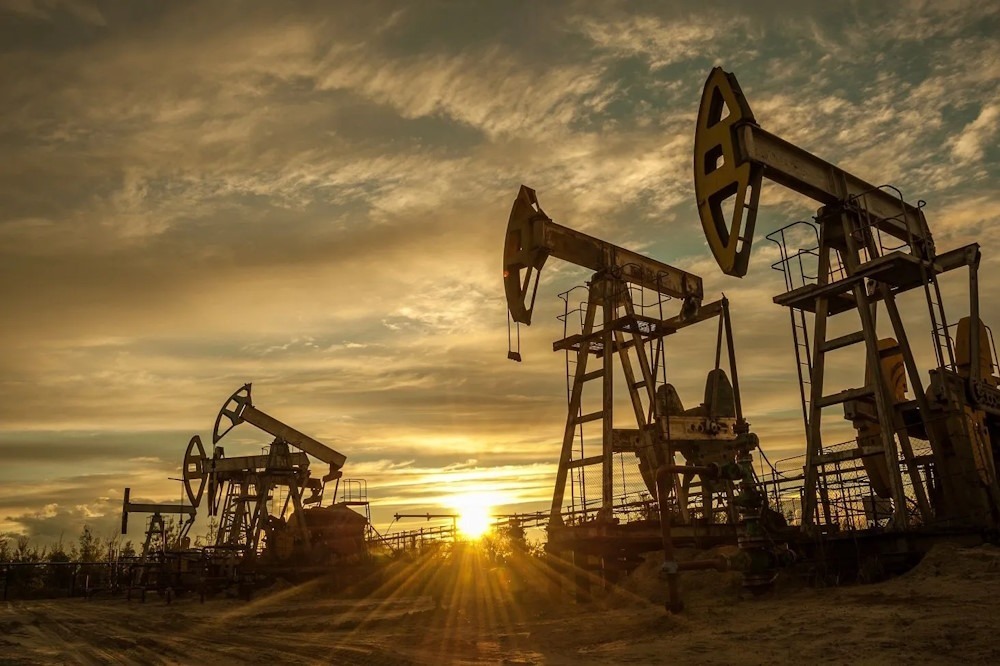
President Donald Trump’s decision to strike Iran introduces new risks for a substantial portion of the world’s oil supply. The Islamic Republic itself pumps about 3.3 million barrels a day, or 3 percent of global output, making it the fourth-largest producer in OPEC. However, the nation exerts significantly more influence over the world’s energy supplies due to its strategic location. Iran occupies a strategic position on one side of the Strait of Hormuz, a vital shipping lane responsible for transporting approximately one-fifth of the world’s crude oil from major suppliers such as Saudi Arabia and Iraq. Oil markets are closed for the weekend, and there was no immediate information regarding whether the attacks on Iran and the country’s retaliatory strikes across the region on Saturday targeted any energy assets. Here are the critical pressure points to observe in the oil sector as events develop. Iran’s Production Iran produces approximately 3.3 million barrels of oil daily, an increase from under 2 million barrels per day in 2020, despite ongoing international sanctions. The nation has increasingly mastered the art of navigating these limitations, directing approximately 90 percent of its exports to China. The largest oil deposits are located in Ahvaz, Marun, and the West Karun cluster, all situated in Khuzestan province. Iran’s primary refinery, established in Abadan in 1912, has the capacity to process over 500,000 barrels daily. Other significant facilities comprise the Bandar Abbas and Persian Gulf Star refineries, which process crude and condensate, a form of ultra-light oil that is plentiful in Iran. The capital of the country, Tehran, is home to its own refinery. For Iran’s overseas shipments, the Kharg Island terminal in the northern Persian Gulf serves as the primary logistical hub.
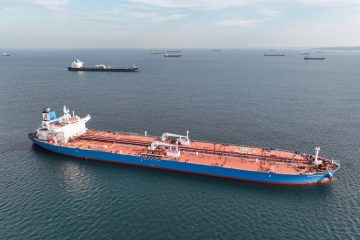
On Saturday, an explosion occurred on the island, as reported, which did not offer further details or mention the oil terminal. Kharg Island features a variety of loading berths, jetties, remote mooring points, and possesses tens of millions of barrels of crude storage capacity. The facilities have managed export volumes surpassing 2 million barrels per day in recent years. US sanctions deter most potential buyers of Iran’s crude; however, private Chinese refiners continue to be willing customers, as long as they receive substantial discounts. Tehran depends on a fleet of aging tankers for its international shipments, which predominantly operate with their transponders turned off to evade detection. Earlier this month, Iran was swiftly loading tankers at Kharg Island, likely aiming to maximize crude oil on the water and relocate vessels to safety in the event of an attack on the facility. The action mirrored that of last June, preceding the attacks from Israel and the United States. Any strike on Kharg Island would represent a significant setback for the nation’s economy. The primary natural gas fields of Iran are located further south along the coast of the Persian Gulf. The facilities at Assaluyeh and Bandar Abbas are responsible for processing, transporting, and shipping gas and condensate, which are utilized domestically for power generation, heating, petrochemicals, and various other industries. The region serves as the primary hub for Iran’s condensate exports. In the wake of the June war, an assault on a local gas plant instilled unease among traders; however, it failed to trigger a sustained increase in oil prices as it did not impact any export facilities.
On February 1, Iran’s supreme leader issued a stark warning of a “regional war” should the US launch an attack on his country. Tehran has asserted that it possesses the capability to fully close the Strait of Hormuz. It would be an unprecedented action that the nation has never undertaken, yet it continues to loom as a troubling prospect for international markets. The Hormuz Strait serves as the critical chokepoint for the majority of the Persian Gulf’s exports, including crude oil and refined fuels such as diesel and jet fuel. Qatar, recognized as the third-largest exporter of liquefied natural gas globally, also depends on the strait. Although OPEC members Saudi Arabia and the United Arab Emirates possess the capability to redirect their shipments through pipelines that bypass Hormuz, a closure of the strait would nonetheless result in significant disruptions to exports and lead to a surge in crude prices. Other Gulf producers were also observed to be accelerating shipments in February. In the first 24 days of the month, Saudi Arabia’s crude shipments reached an average of approximately 7.3 million barrels per day, marking the highest level in nearly three years. According to data, combined flows from Iraq, Kuwait, and the United Arab Emirates were projected to increase by nearly 600,000 barrels a day compared to the same period in January. Historically, Tehran has conducted retaliatory strikes against the energy assets of some neighboring countries. In 2019, Saudi Arabia attributed the drone attack on its Abqaiq oil processing facility to Tehran, an incident that disrupted production amounting to approximately 7 percent of the global crude supply. Numerous analysts contend that it is unlikely Iran could maintain a prolonged closure of Hormuz, suggesting that less severe measures, such as the harassment of shipping, are more probable.
In the course of last year’s conflict involving Israel and the US, approximately 1,000 vessels daily experienced GPS signal jamming near Iran’s coast, which played a role in one tanker collision. Sea mines represent a longstanding option for deterring shipping. Tehran must consider the implications of any retaliatory attacks on regional energy infrastructure, particularly the potential repercussions for its relationship with Beijing. China stands as the largest purchaser of Gulf crude, utilizing its veto power at the UN Security Council to protect Iran from sanctions or resolutions led by the West. During the June war, oil experienced its most significant surge in over three years, with Brent crude climbing above $80 a barrel in London. However, the gains quickly diminished once it became evident that crucial regional oil infrastructure remained intact. Since then, worries regarding an oversupply have taken center stage in global markets, with crude in London concluding 2025 approximately 18 percent lower than its starting point. Amid concerns of an oversupply, prices have risen by 19 percent this year, in part driven by apprehensions regarding potential US strikes on Iran. According to an analysis of historical events, chief emerging market economist, prices tend to rise about 4 per cent in response to a 1 per cent reduction in supply.