OPEC+ to Increase Oil Output by 206,000 bpd After Hormuz Reopening
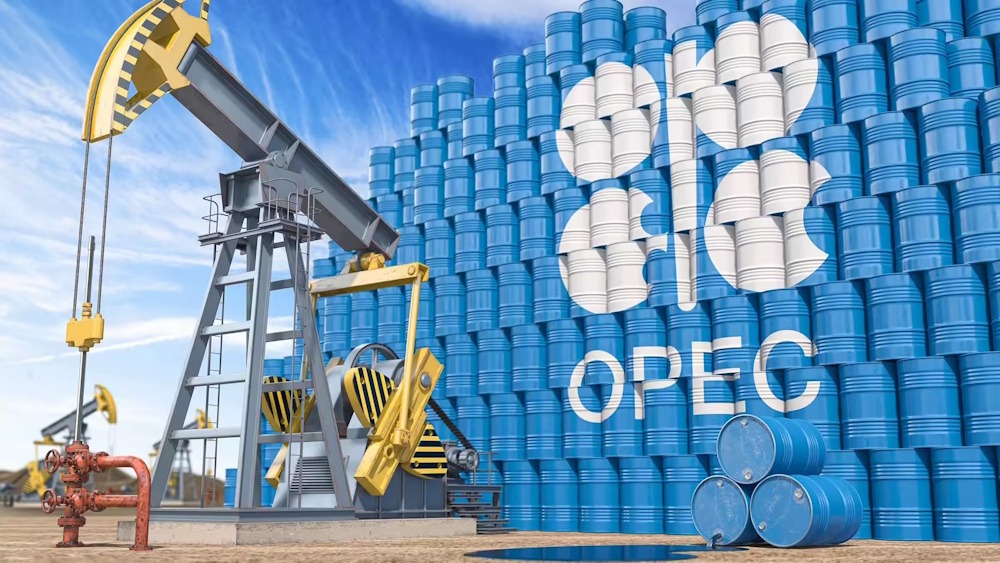
OPEC+ reached a consensus on Sunday to increase its oil output quotas by 206,000 barrels per day for May. This adjustment represents a modest increase that is likely to remain largely theoretical, as the organization’s principal members face challenges in boosting production amid the ongoing U.S.-Israeli conflict with Iran. The ongoing conflict has effectively closed the Strait of Hormuz, a critical artery for global oil transport, since late February. This disruption has led to a reduction in exports from OPEC+ members such as Saudi Arabia, the UAE, Kuwait, and Iraq, which were among the few nations in the alliance capable of substantially increasing production prior to the onset of hostilities. Crude prices have reached a four-year peak near $120 a barrel, resulting in escalating costs for transport fuels that are exerting pressure on consumers and businesses worldwide, prompting governmental measures to conserve supplies. The increase in OPEC+ quotas by 206,000 bpd accounts for less than 2% of the supply affected by the closure of the Hormuz Strait. However, it indicates a preparedness to boost output once the waterway is reopened, according to sources.
Consultancy Energy Aspects characterized the increase as “academic” given the ongoing disruptions in the strait. “In reality it adds very few barrels to the market,” stated Jorge Leon. Closure of the Strait of Hormuz renders additional barrels from OPEC+ largely irrelevant. OPEC+ reported that eight members reached a consensus to raise the May quotas during a virtual meeting held on Sunday. In addition to the disruptions impacting Gulf members, other nations like Russia face challenges in boosting output, primarily due to Western sanctions and the infrastructural damage sustained during the conflict with Ukraine. Within the Gulf region, the impact of missile and drone strikes on infrastructure has been notably significant. Numerous officials from the Gulf region have indicated that it would require several months to restore normal operations and achieve production targets, even in the event that hostilities ceased and the Hormuz Strait was reopened without delay. A separate panel of OPEC+, known as the Joint Ministerial Monitoring Committee, convened on Sunday and voiced concerns regarding attacks on energy assets. The committee noted that such incidents are costly and time-consuming to rectify, thereby affecting supply, as stated by OPEC+.
On Saturday, Iran announced that Iraq would not face any restrictions regarding the transit of Hormuz. Subsequently, shipping data from Sunday indicated that a tanker carrying Iraqi crude successfully navigated through the strait. Nevertheless, it is yet to be determined whether additional vessels will be willing to assume the associated risks, according to a source. May’s OPEC+ increase aligns with the agreement reached by the eight members for April during their last meeting on March 1, coinciding with the onset of the war that began to disrupt oil flows. A month later, the largest oil supply disruption on record is estimated to have removed as many as 12 to 15 million barrels per day, accounting for up to 15% of global supply.
According to JPMorgan’s assessment on Thursday, oil prices may surge past $150, reaching an unprecedented peak, should disruptions in flows through Hormuz persist into mid-May. OPEC+ comprises 22 member nations, among which is Iran. In recent years, only the eight countries convening on Sunday have participated in monthly production decisions, having commenced in 2025 to reverse previously established output reductions in order to reclaim market share. The eight entities elevated production quotas by approximately 2.9 million barrels per day from April 2025 to December 2025, subsequently halting increases for the period of January to March 2026.