Iran Boosts Oil Exports as US Military Presence Grows

In recent days, Iran has been loading oil onto tankers at a rapid pace, which may indicate the Persian Gulf state’s preparations for a potential attack by the US. According to data, exports from Kharg Island between February 15 and 20 reached approximately 20.1 million barrels. That figure represents nearly three times the volume recorded during the same period in January, translating to over 3 million barrels per day, significantly exceeding Tehran’s typical daily output. The increase occurs as the US builds the largest fighting force in the Middle East since the second Gulf war in 2003. Last year, shortly before American air strikes, Iran hurried to export its oil from its ports by loading substantial quantities onto tankers and directing as much as possible to Kharg Island. A comparable trend was noted in 2024 amidst a time of heightened tension.
Oil production and exports serve as a crucial foundation for Iran’s economy, and the urgency to load barrels onto vessels enables Tehran to maximize production ahead of any possible disruptions. The barrels, primarily shipped from Kharg Island, must navigate the Strait of Hormuz, predominantly aboard tankers that strive to remain undetected. Satellite data provides insight into the extent of activity at the island. According to Samir Madani, which specializes in analysis of satellite imagery, “It’s unclear what will happen to the ships that have loaded this time around, but it’s possible they will disperse widely if the US does eventually attack.” Iran has been loading “as much oil as possible” lately, he said on Wednesday, adding that tankers “will definitely disperse away from the island in case of a new round of air strikes.” Madani estimates that Iranian exports will average between 1.5 million and 1.6 million barrels a day this month. He added that those figures have been pulled upward by stronger shipments since February 15.
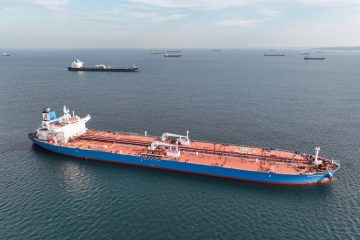
Kpler tracks them immediately upon departure from Iranian ports. Satellite images reveal the increased flows. From February 15 to 20, the count of tankers seen in the waters southeast of Kharg Island increased significantly, rising from eight to 18. A partial snapshot of the area on February 22 revealed that nine tankers were still present. Oil tankers gathered near Iran’s Kharg Island oil terminal on February 20, 2026. Tankers circled in bold remained unchanged from Feb. 15. Tankers marked with a cross have departed since February 15. Crude inventories on the island seem to have decreased concurrently with the arrival of the tankers, indicating that barrels were loaded onto the vessels. On February 15, four Very Large Crude Carriers and one Suezmax were docked at Kharg Island. On February 20, three VLCCs were observed docked.
An analysis indicates that at least seven tanks were full on February 15, whereas on February 20, six were observed to be less full. Madani corroborated that view, highlighting that the island’s oil storage was approximately 67 per cent over the weekend, providing Iran with sufficient capacity to keep replenishing the tanks should the tankers be unable to load. On January 26, he added that the tanks had been as much as 88 percent full, holding approximately 30 million barrels.