Gold nears $5,000 as West Asia war jitters markets
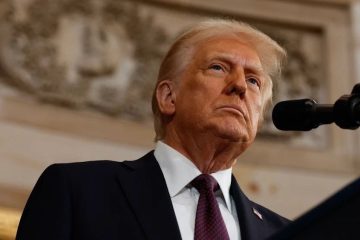
Gold fluctuated as the conflict in West Asia reached its third week, with investors assessing a weaker dollar in light of ongoing threats to global oil supplies. Bullion fluctuated around $5,000 an ounce, experiencing a decline of up to 1 percent before recovering some of its losses. The metal stabilized following a second consecutive week of decline, influenced by increasing energy prices and inflationary worries stemming from the US-Israeli conflict with Iran. Crude reversed its early gains on Monday, while a measure of the dollar declined, providing support for commodities priced in the US currency. The ongoing uncertainty regarding the duration of the war complicates the evaluation of its effects on markets and the broader economy. An aide to US President Donald Trump indicated that the conflict might extend for four to six weeks, as both parties have conveyed inconsistent messages. Trump stated, “Iran wants to make a deal,” but emphasized that Washington seeks better terms.
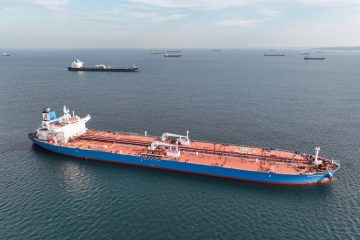
In contrast, Tehran asserted that it has not requested talks or a ceasefire. Over the weekend, the US launched an attack on Iran’s primary oil-export hub, while Tehran persisted in its strikes on energy infrastructure across several nations in the Persian Gulf. Traffic was nearly at a standstill in the Strait of Hormuz, the crucial shipping route that usually sees a fifth of the world’s oil and liquefied natural gas passing through. As the conflict continues, the likelihood of an interest-rate reduction has diminished. The most recent US consumer spending data, published on Friday, indicated that spending saw only a slight increase in January, attributed to economic growth that fell short of expectations, even prior to the onset of the war. Meanwhile, US consumer sentiment has fallen to a three-month low as concerns have intensified in recent weeks regarding the effects of the conflict on gasoline prices.
Traders currently perceive almost no likelihood of a rate cut at this week’s Fed meeting. In general, elevated borrowing costs tend to exert pressure on precious metals, which lack interest payments. According to Kyle Rodda gold’s short-term movements are “mechanical” as the metal reacts to the dollar and the prospects of rate cuts. Nevertheless, the war could bolster bullion in the long term, as the conflict “erodes trust in the US amongst adversaries and increasingly allies,” he stated. Despite the upward momentum stalling since the onset of the war, the metal has nonetheless achieved a gain of approximately 16 percent thus far this year.
Concerns over stagflation — a combination of slower growth and high inflation — may lead investors to consider gold as a more reliable store of value in the long run. “But any positive effects may be limited if central banks hike rates aggressively to tame inflation,” Rodda said. Spot gold increased by 0.1 percent, reaching $5,022.02 an ounce as of 8:55 a.m. in Singapore. Silver increased by 0.8 percent, reaching a price of $81.23. Both platinum and palladium experienced gains. The Dollar Spot Index declined by 0.3 percent following a gain of over 1 percent the previous week.