Copper shortage due to AI, data centers, and defense
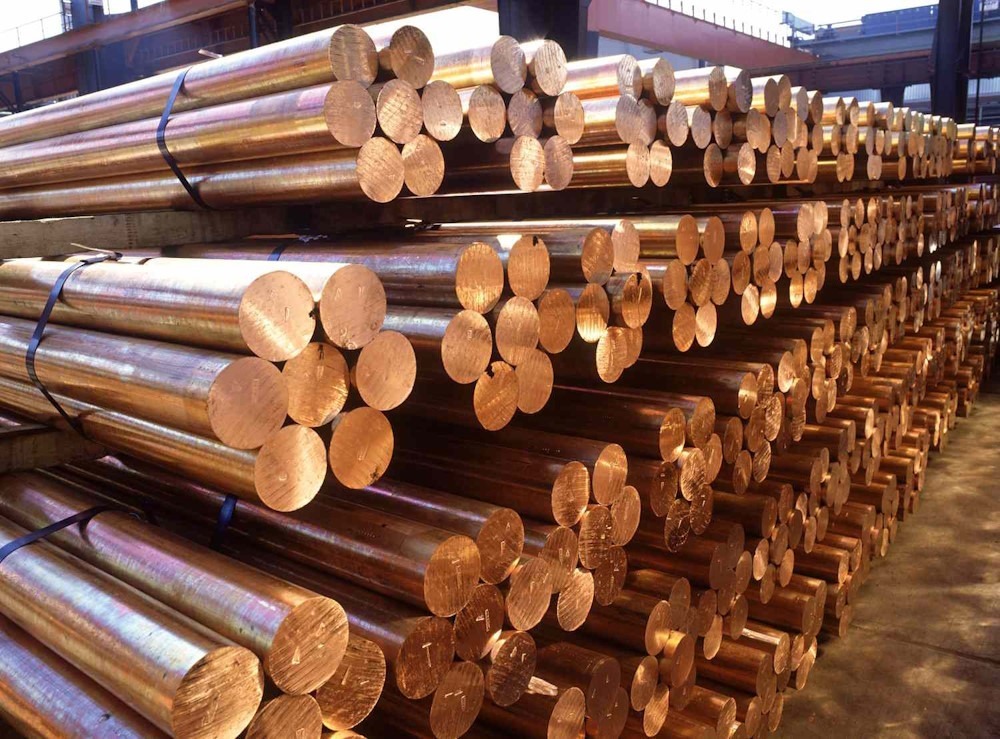
A recent study indicates that the competition in artificial intelligence and increasing defense expenditures are poised to exacerbate an anticipated copper shortage, as producers face challenges in scaling up operations. Demand growth is accelerating just as mine supply encounters structural limits, heightening the risk that copper may become a bottleneck for economic growth and technological expansion. Copper has surged to unprecedented levels, exceeding $13,000 per metric ton in London, propelled by a series of mine shutdowns and efforts to accumulate the metal in the US in anticipation of potential tariffs from the Trump administration. Although the influx of copper into US warehouses has pushed prices beyond what underlying consumption would suggest, emerging areas of demand indicate a potentially tighter market in the long run.
“AI and data centers really weren’t even on the radar three years ago,” Aurian De La Noue stated in an interview. “What this study shows is that the world is tracking toward a supply deficit even before you consider these new growth vectors.” it is projected that copper demand will increase by 50 percent from current levels, reaching 42 million tons by 2040. Traditional sources like construction, appliances, transportation, and power generation still represent the majority of copper demand. However, the most significant growth is now emerging from energy-transition applications, particularly electric vehicles and batteries. Emerging sources of demand are increasingly achieving scale. Copper consumption linked to data centers and artificial intelligence infrastructure is projected to rise significantly as global installed data-center capacity is anticipated to increase nearly fourfold by 2040. The study found that demand from AI, data centers, and global defense spending could roughly triple by 2040, contributing an additional 4 million tons of consumption combined. It has also pinpointed an additional potential source of demand: humanoid robots.
While the technology is still developing, the projection of 1 billion humanoid robots in operation by 2040 suggests a need for approximately 1.6 million tons of copper each year, which accounts for around 6 percent of current consumption, as indicated by the study. However, global production is anticipated to reach its zenith at approximately 33 million tons by 2030, as the quality of ore declines at current mines and new ventures face challenges related to permitting, financing, and construction. The study finds that this would result in a 10-million-ton gap, even after factoring in a significant rise in recycled copper, which is anticipated to more than double to 10 million tons during this timeframe. Indeed, this supply deficit remains largely theoretical, as consumption is confined to what is accessible. With the increase in prices, there is potential for copper to be replaced in certain products, while supply expansion projects may see enhanced profitability.
The supply challenge is exacerbated by extended development timelines, escalating costs, and a highly concentrated supply chain, rendering the market more susceptible to disruptions as demand intensifies, noted. Soaring prices serve as a significant advantage for the industry, offering additional motivation for expansion. However, Daniel Yergin stated that there are no guarantees they will maintain those levels. “We would be reluctant to say that this proves now that prices are on a stable higher plane,” Yergin stated in an interview. “The industry is still scarred by the collapse of the commodity supercycle.” The study was funded by prominent entities in the mining sector, including BHP Group and Rio Tinto Group, alongside traders Trafigura and Gunvor, and even Google.