Ukraine offers US $150 billion in defense, drone deals for security
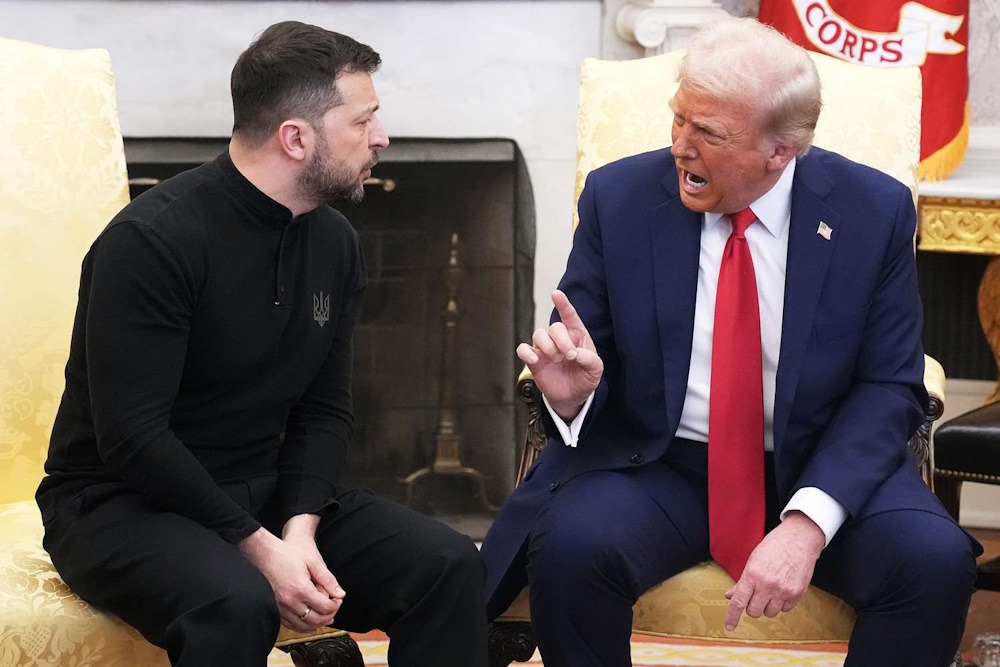
Ukraine has put forward a $150 billion defense package in collaboration with the United States (US), a move that could solidify its security following a potential peace settlement with Russia, as indicated by documents shared with allies. The proposal outlines a substantial $100 billion agreement aimed at acquiring American weaponry, predominantly funded by European allies. Additionally, it features a $50 billion collaborative effort between US and Ukrainian firms to manufacture drones.
Although the document does not specify particular systems, Ukraine has consistently indicated a desire for at least 10 US-made Patriot air defense batteries, along with missiles and other equipment to protect cities and infrastructure. The proposed drone plan aims to combine procurement and investment strategies; however, the details regarding the financial breakdown have yet to be disclosed.
The proposal seems crafted to resonate with Trump’s focus on economic advantages for the United States. During a press briefing at the White House on Monday, he stated, “We’re not giving anything.” “We’re selling weapons.” The proposals emerge as Zelenskyy aims to counteract Trump’s perceived alignment with Moscow, a sentiment heightened by Trump’s recent meeting with Russian President Vladimir Putin in Alaska last week. Following his initial call for a ceasefire, Trump began to pivot towards the exploration of a more comprehensive peace settlement that aligns more closely with Russian preferences. This scenario involves Ukraine possibly conceding occupied territories and retracting its application for NATO membership.
Ukraine has turned down Putin’s alleged proposal in Alaska to halt the frontline if Kyiv retreats from occupied regions of Donetsk and Luhansk. Officials have cautioned that such a withdrawal would establish a base for renewed Russian offensives aimed at Dnipro. Ukraine has firmly stated that it will not accept any territorial concessions. In a meeting held yesterday, European leaders called on Trump to make it a priority to stop the ongoing fighting. During discussions in Washington on Monday, German Chancellor Friedrich Merz conveyed to Trump, “I can’t imagine that the next meeting would take place without a ceasefire.” “So let’s work on that and let’s try to put pressure on Russia because the credibility of these efforts we are undertaking today depends on at least a ceasefire,” a source emphasized.
Zelenskyy calls for a robust security framework and reparations. According to a document from Kyiv, “lasting peace shall be based not on concessions and free gifts to Putin, but on [a] strong security framework that will prevent future aggression.” The report highlighted the dismissive coverage of Trump by Russian media, referencing nuclear threats and the mocking remarks made by prominent state TV host Vladimir Solovyov. The proposals advocate for comprehensive wartime reparations from Russia, which could be financed by the $300 billion in frozen Russian sovereign assets currently held in Western jurisdictions. Kyiv contends that sanctions relief must come only after verified compliance with a peace agreement. On Tuesday, Putin expressed his willingness to engage in dialogue with Zelenskyy; however, he refrained from committing to a trilateral meeting with Trump.