Nvidia developing a stronger AI chip for China than the H20
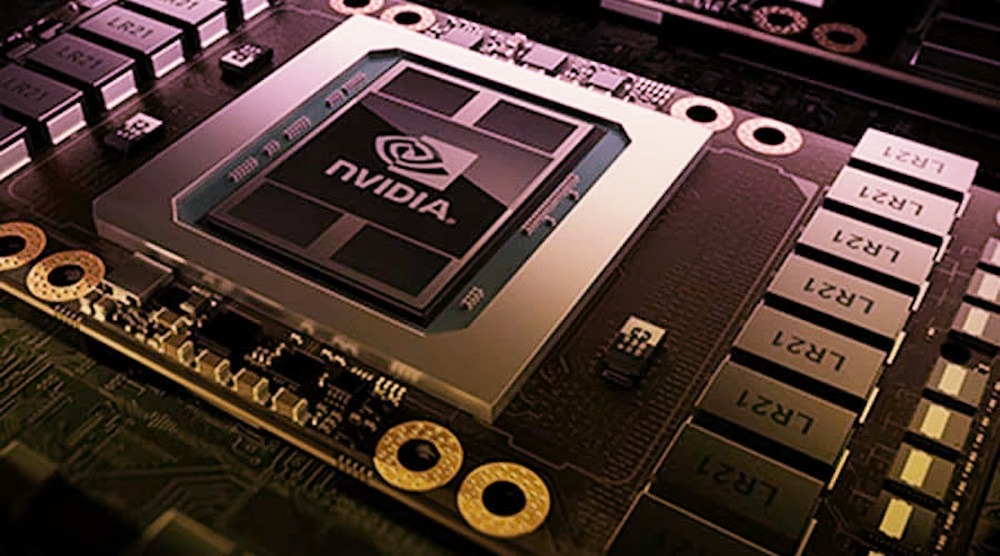
Nvidia is reportedly working on a new AI chip for China, leveraging its latest Blackwell architecture. This upcoming chip is expected to surpass the capabilities of the H20 model that the company is currently permitted to sell in the region, according to two individuals familiar with the situation. Last week, U.S. President Donald Trump indicated a potential shift regarding the sale of more advanced Nvidia chips in China. However, sources indicated that U.S. regulatory approval remains uncertain, as there are significant concerns in Washington regarding the potential risks of granting China extensive access to U.S. artificial intelligence technology.
According to sources, the new chip, tentatively referred to as the B30A, is set to utilize a single-die design. This configuration is expected to provide approximately half the raw computing power compared to the more advanced dual-die setup found in Nvidia’s flagship B300 accelerator card. A single-die design refers to the approach where all the primary components of an integrated circuit are fabricated on a single, uninterrupted piece of silicon, as opposed to being distributed across several dies. The new chip is set to include high-bandwidth memory along with Nvidia’s NVLink technology, enabling rapid data transmission between processors. These features are also present in the H20, which is based on the company’s previous Hopper architecture.
Nvidia is aiming to provide samples of its chip to Chinese clients for testing as soon as next month, according to sources who spoke on the condition of anonymity due to the sensitivity of the information. The specifications of the chip are not yet fully finalized. Nvidia stated, “We evaluate a variety of products for our roadmap, so that we can be prepared to compete to the extent that governments allow. Everything we offer is with the full approval of the applicable authorities and designed solely for beneficial commercial use.”
The question of how much access China will have to advanced AI chips, given that it accounted for 13% of Nvidia’s revenue in the previous financial year, stands as a significant flashpoint in the ongoing trade tensions between the U.S. and China. Nvidia was granted permission in July to resume sales of the H20. Developed specifically for China following the implementation of export restrictions in 2023, the company received an abrupt order to halt sales in April. Last week, Trump indicated that he might permit Nvidia to market a scaled-down version of its next-generation chip in China. This announcement followed an unprecedented agreement in which Nvidia and its competitor AMD will contribute 15% of their revenue from sales of certain advanced chips in China to the U.S. government.
A new Nvidia chip for China could see a reduction of “30% to 50% off,” he suggested, seemingly alluding to the chip’s computing power. He further remarked that the H20 was “obsolete.” U.S. legislators from both sides of the aisle have expressed concerns that limiting access to even scaled-down versions of key AI chips could hinder the nation’s ability to sustain its leadership in artificial intelligence. However, Nvidia and other companies contend that maintaining Chinese interest in their chips—integral to Nvidia’s software tools—is crucial to prevent developers from fully transitioning to competitors such as Huawei.
Huawei has made significant advancements in chip development, with reports indicating that its latest models are comparable to Nvidia in certain aspects, particularly computing power. However, analysts point out that the company still falls short in critical areas, including software ecosystem support and memory bandwidth capabilities. In a challenging landscape for Nvidia, the company’s attempts to maintain its market share in China have been further complicated by recent allegations from Chinese state media. These reports suggest that the U.S. firm’s chips may present security risks, prompting authorities to advise Chinese tech firms against purchasing the H20. Nvidia asserts that its chips pose no risks related to backdoors.
Nvidia is set to begin the delivery of a new chip tailored specifically for China, which is based on its Blackwell architecture and primarily designed for AI inference tasks, as reported by two individuals familiar with the plans. In a report from May, the chip, referred to as the RTX6000D, is expected to be priced lower than the H20, due to its reduced specifications and more straightforward manufacturing processes. The chip is engineered to comply with the thresholds established by the U.S. government. The device employs standard GDDR memory and boasts a memory bandwidth of 1,398 gigabytes per second, narrowly missing the 1.4 terabyte limit set by regulations implemented in April, which resulted in the original H20 ban. Nvidia is poised to provide limited quantities of the RTX6000D to clients in China this September.