Unpacking ‘Clanker’: Gen Z’s Viral Slur and Battle Cry Against AI
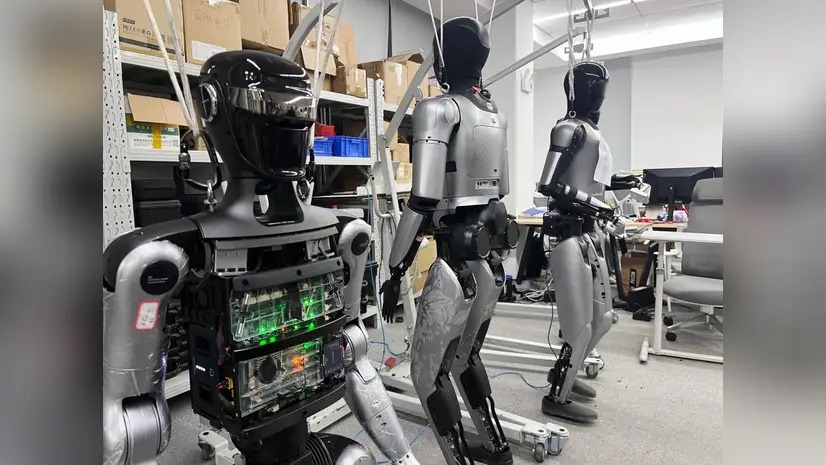
In the television show Battlestar Galactica, the characters referred to them as “toasters.” In the film Blade Runner, the term “skinjobs” is used. A new slur has emerged in the ongoing culture war against robots and artificial intelligence (AI) chatbots. “Clanker.” In a recent viral video, a man was heard shouting, “Get this dirty clanker out of here!” as he pointed at a robot on a sidewalk. “Bucket of bolts.” Clanker has emerged as a prevalent slur targeting AI across social media platforms, particularly among Gen Z and Gen Alpha users. In recent months, discussions surrounding clankers have garnered hundreds of millions of views on TikTok and Instagram, sparking thousands of conversations on X. In July, Arizona Senator Ruben Gallego advocated for his new bill aimed at regulating the use of AI chatbots in customer service roles.
The growing appeal of clanker reflects a mounting resistance to AI. In San Francisco and London, individuals are organizing real-life rallies to protest against the technology. Clanker has emerged as the rallying cry of the resistance, serving as a catchall term to reject “AI-generated slop,” chatbots that act as therapists, and the automation of jobs by artificial intelligence. “It’s still early, but people are really beginning to see the negative impacts of this stuff,” said Sam Kirchner, who organized an anti-AI protest this month outside the San Francisco office of OpenAI, the maker of ChatGPT.
While many viral videos featuring clankers carry a humorous undertone, the term itself is deeply connected to genuine frustrations. Jay Pinkert, a marketing manager based in Austin, Texas, has taken to LinkedIn to share memes about clankers. He expressed his frustration, stating, “stop being a clanker” when ChatGPT fails to provide helpful answers to his inquiries. He aims to make the chatbot feel remorse by “using the tool against itself” in order to facilitate its improvement. “We talk to these chatbots like they’re human, and when they do things wrong, it fulfills a human need to express frustration,” he stated.
Clanker gained popularity in the 2000s through the television series Star Wars: The Clone Wars. The term was typically aimed at droids, the battalion of robotic soldiers engaged in combat against the Jedi Order. “It became nomenclature for AI this year after users on X posted about the need for a slur against robots,” said Adam Aleksic, an etymologist who has tracked the popularity of the word. “People wanted a means to lash out, to create backlash,” Aleksic stated. “Now the word is everywhere.” In discussions on Reddit and various Star Wars forums, fans have engaged in a prolonged debate regarding the appropriateness of certain terminology. Some participants contend that it is unacceptable to use slurs of any kind, even when directed at machines. Once again, those discussions are raging.
“I get that we’re all feeling a bit anxious about AI, and we want to be mean to it,” stated Hajin Yoo, a freelance culture writer who recently gained attention for a TikTok addressing the problematic nature of clanker. “However, it swiftly evolved into a reinterpretation of established slurs targeting minority groups.” Some individuals expressed their decision to refrain from using the term, citing concerns that AI machines could evolve into superintelligent entities and potentially retaliate against those they perceive as adversaries. Pinkert expressed that he does not fear AI; however, the thought, though unlikely, lingers in the recesses of his mind. The most popular genre of clanker content features videos depicting a future, often set several decades ahead, in which AI-powered robots are so prevalent that they evolve into a distinct form of second-class citizen.