Implications of a Russia-Ukraine Ceasefire on Global Markets
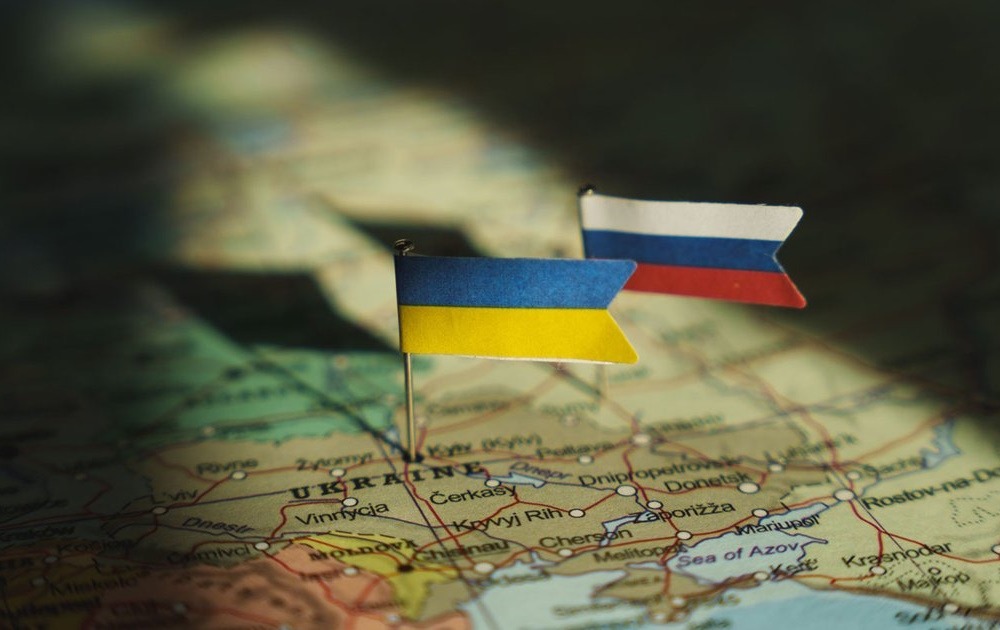
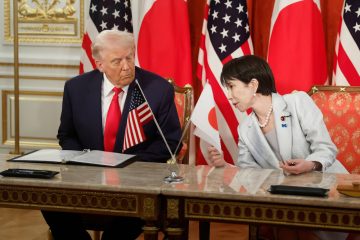
Global financial markets are observing with keen interest the upcoming meeting between US President Donald Trump and Russia’s Vladimir Putin in Alaska on Friday, where they are expected to finalize a potential ceasefire agreement concerning Ukraine. This conflict has triggered an energy shock, leading to a significant increase in food prices, adversely affecting European assets, and isolating Russia’s economy from a substantial portion of the Western world. The specifics and durability of any accord will be crucial, and at this juncture, investors remain in a state of readiness. Ukraine’s government bonds, which serve as significant indicators of market sentiment, have recently remained stagnant at a distressed level of 55 cents on the dollar. “The significant concern will be, of course, that even if a ceasefire is achieved, what is its sustainability?” stated the chief markets strategist of Zurich Insurance Group, Guy Miller.
This summary examines the influence of Europe’s most significant conflict since World War Two on market dynamics and the potential implications of a ceasefire agreement.
• EUROPE IN DISTRESS
Europe’s dependence on inexpensive Russian gas rendered its economy and stock market vulnerable to escalating energy prices, resulting in stagnation for Germany’s economy, the industrial powerhouse of the continent. Stocks experienced widespread declines, particularly affecting sectors dependent on low energy prices, including industrials and chemicals, which were significantly impacted. European banks experienced significant losses; however, they have since rebounded as institutions with exposure to Russia have severed their connections. The situation is not entirely negative, as evidenced by the European STOXX 600 index, which is approaching the record high established in March. Aerospace and defence stocks have experienced a remarkable rally since February 2022, with gains exceeding 600 per cent for Leonardo and surpassing 1,500 per cent for Rheinmetall. “If the fighting stops in Ukraine, I’d expect defence stocks to come off a little bit but I think the fundamental reason why defence stocks have rallied is still there,” stated Toni Meadows, CIO at BRI Wealth Management. “If Putin remains in power and Trump continues to hold office, then the necessity for Europe to allocate resources towards defense persists.”
• HEATED
The invasion catalyzed a significant increase in energy prices across Europe. Brent crude experienced an increase of up to 30 percent, reaching $139 a barrel, while natural gas prices surged nearly 300 percent, achieving record highs. Crude experienced a decline in the subsequent months. However, Dutch TTF futures, serving as the regional benchmark for natural gas, experienced a significant increase as Europe sought alternatives to the Russian gas that accounted for over 40 percent of total demand. Europe has increasingly depended on US super-chilled liquefied natural gas. The European Union has pledged to increase its acquisitions of US crude, gas, and coal from approximately $75 billion in 2024 to $250 billion annually by 2027, as part of a new trade agreement with the United States—an amount that many analysts consider to be implausible. Current oil and gas prices have receded from the peaks observed in 2022; however, they remain elevated compared to five years prior, reflecting increases of 50 percent and 300 percent, respectively.
• GENIE OUT OF THE BOTTLE
In the aftermath of the COVID-19 pandemic, the conflict exacerbated inflationary pressures, leading to significant increases in energy and food prices. This situation was further complicated by the disruption of agricultural exports from Russia and Ukraine, both of which are prominent grain exporters. Central banks revised their stance on the characterization of the inflation spike as “transitory,” leading to a series of aggressive interest rate hikes. Since late 2022, there has been a notable decline in inflation and interest rates within major economies, leading to a shift in focus towards US tariffs. Elevated food prices continue to pose a significant challenge, particularly for emerging economies. In July, world food commodity prices experienced an increase, reaching levels not seen in over two years, as reported by the United Nations’ Food and Agriculture Organization. “If Ukraine could operate normally as an economy, that would help food prices around the world,” stated April LaRusse, head of investment specialists at Insight Investment.
• UKRAINE AND RUSSIA
The conflict has significantly impacted Ukraine’s economic landscape. The nation undertook a restructuring of $20 billion in government debt last year, a necessary measure due to its inability to meet repayment obligations amid the pressures of ongoing conflict. The bonds experienced a rally driven by optimism regarding a potential peace deal under a re-elected Trump. However, they subsequently fell sharply in response to escalating tensions between Trump and Ukraine’s Volodymyr Zelenskiy, which reached a peak during the notorious Oval Office meeting in February. This week, the bonds demonstrated a modest recovery in value. Following the imposition of extensive sanctions by Western nations, Russia’s economy experienced a contraction. However, a significant increase in defense spending has contributed to a recovery in the years 2023 and 2024. Following the increase in interest rates aimed at addressing the inflation surge, certain Russian officials are now cautioning about the potential risks of a recession. Following the invasion, Russia’s rouble experienced a significant depreciation, reaching a record low. However, by the end of 2022, it made a notable recovery, climbing to seven-year highs as the volume of imports diminished. This year, it has appreciated by nearly 40 percent relative to the dollar. Russia and China, in the current economic landscape, have increasingly conducted their trade in the yuan, which has now surpassed the dollar as Russia’s most traded foreign currency.
• CURRENCIES DISRUPTED
The conflict adversely affected the euro, resulting in a decline of nearly 6 percent against the dollar in 2022 as the repercussions on the economy became apparent. Experts indicate that any positive sentiment generated by a ceasefire could bolster the euro; however, they also emphasize that other elements, particularly monetary policy, play a crucial role. “The euro might benefit, but we wouldn’t see this as a game changer for the currency,” said Frederique Carrier, head of investment strategy for RBC Wealth Management in the British Isles and Asia. While safe-havens such as the dollar and Swiss franc experienced gains, the conflict influenced currencies in various other dimensions. Experts indicate that the imposition of sanctions on Russia, coupled with the West’s decision to freeze approximately $300 billion of Russian state assets in 2022, has expedited the process of de-dollarisation, which refers to the initiatives undertaken by various nations to reduce their dependence on the dollar.