US Launches Push to restart Strait of Hormuz with Warplanes
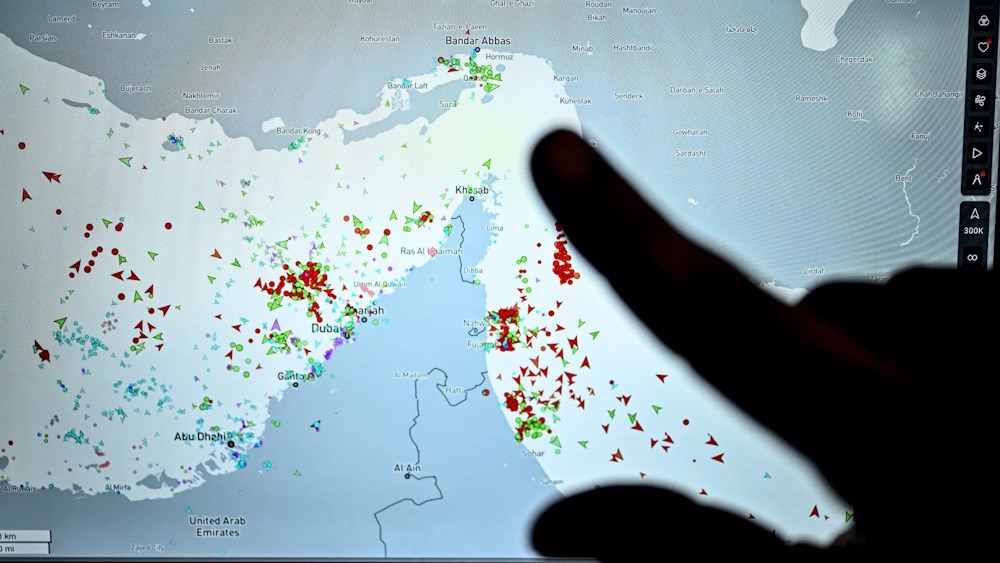
The United States and its allies have reportedly initiated a coordinated military campaign aimed at reopening the Strait of Hormuz, following Iranian attacks that nearly halted commercial shipping in early March, as stated in a report. The disruption ensued after the US-Israel strikes on Iran on February 28, which prompted Iranian retaliation aimed at ships, ports, and energy infrastructure throughout the Gulf. Traffic through the strait, a narrow passage between Iran and Oman, has sharply declined following a series of drone, missile, and small-boat attacks on vessels. At least 20 per cent of global oil traverses this route, rendering the disruption one of the most significant shocks to energy markets in recent years. As a result, oil prices have exceeded $100 a barrel, indicating concerns over extended supply disruptions. The Pentagon’s strategy is said to be gradual and centered on mitigating immediate threats prior to reinstating shipping.
A report states that the current phase relies heavily on air power and precision strikes. A-10 “Warthog” aircraft are currently deployed to engage Iranian fast-attack boats, which are nimble vessels capable of laying mines or harassing tankers. According to reports, these aircraft are outfitted with a 30mm cannon and bombs designed for low-altitude strikes. Furthermore, AH-64 Apache helicopters are being deployed to intercept drones and target boats involved in the Iranian assault. These Apache helicopters demonstrate effectiveness in engaging moving maritime targets and low-flying objects. The US has conducted strikes on missile batteries, drone hubs, and underground storage facilities associated with Iran’s naval operations, according to reports. According to US officials, more than 120 vessels have been damaged or destroyed thus far. A Marine rapid-response unit is concurrently being deployed to the region, with the aim of securing strategic islands off Iran’s southern coast to stabilize the shipping lanes.
Nevertheless, in spite of ongoing strikes, Iran maintains considerable asymmetric capabilities, according to the source. These consist of mobile missile launchers, drones, and small boats that can be swiftly deployed from concealed coastal bases. Concerns persist regarding the deployment of naval mines. Despite efforts by US officials to downplay confirmed mining activity, the perceived threat remains significant enough to deter vessels from approaching. The geography of the area has played a significant role in the problem. At its narrowest point, measuring merely 24 miles, the area faces significant challenges in safeguarding itself from missile or drone attacks. Officials in the United States, as reported, have suggested that the restoration of safe passage is feasible, though it will require time. The present aim is not to eliminate all threats but to lower the risk to a point where escorted shipping can recommence.
Historically, comparable campaigns, including US operations targeting Houthi assaults in the Red Sea, succeeded in diminishing threats but failed to eradicate them entirely for extended periods. Consequently, even with the return of traffic, the strait is anticipated to persist as a contested area where vessels will face intermittent assaults, and both insurance and freight expenses are likely to stay elevated. Iran has also recently indicated its willingness to permit selective passage, perhaps through a toll system, suggesting a shift from disrupting to leveraging control of global energy flows.