US G-7 Summit on Rare Earths Amid China-Japan Strains
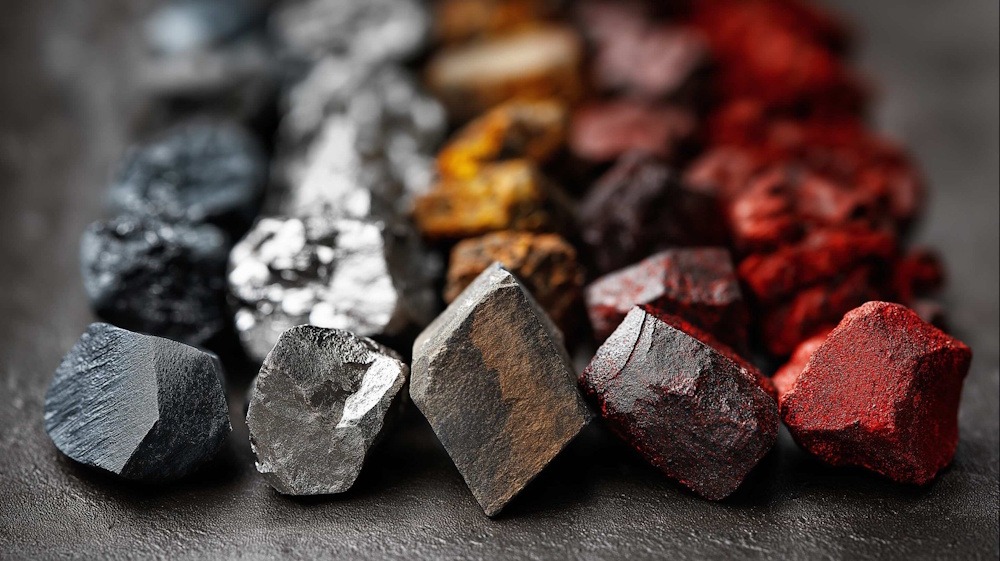
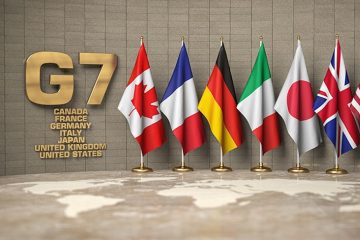
This week, the US is convening a meeting of G-7 ministers to address the issue of rare earths, highlighting a collective effort to cultivate alternative sources in a sector largely controlled by China. Canadian Finance Minister Francois-Philippe Champagne is set to visit Washington on Sunday and Monday for discussions with his Group of Seven counterparts. According to a statement, Treasury Secretary Scott Bessent will host the talks “to discuss global supply chains for critical minerals.” The discussions are anticipated to encompass officials from Australia, South Korea, India, Mexico, and the European Union, concentrating on essential raw materials and the security of global supply chains.
The meeting occurs as Japan intensifies its outreach to G-7 allies and others, driven by apprehensions regarding new export restrictions imposed by China in response to remarks made by Prime Minister Sanae Takaichi concerning Taiwan. Japanese Finance Minister Satsuki Katayama has announced her intention to meet with counterparts from other industrialized democracies to discuss the minerals essential for military production and the tech industry during her upcoming trip to the US, beginning Sunday. According to sources, China’s restrictions on shipments of rare earth products to Japan now encompass those intended for civilian use.
The report indicated that officials in China are denying permission for shipments requested by companies, while in other instances, the review of applications is experiencing delays beyond the usual timeframe. Chinese Foreign Ministry spokeswoman Mao Ning refrained from providing a direct response to inquiries regarding the meeting in Washington and the Nikkei report. She reiterated Beijing’s stance that the restrictions were essential for protecting national security, asserting that the “measures are fully justified, reasonable and lawful.” Lu Yaodong was quoted stating that Japan’s claims about China “weaponizing” rare earths are misleading. Lu stated that China’s actions are a response to Japan’s “remilitarization.” China stands as the leading global supplier of rare earths, enabling Beijing to respond to punitive tariffs imposed by the Trump administration last year by limiting their export.
In October, President Donald Trump and Chinese leader Xi Jinping came to a trade truce that encompassed agreements to lift restrictions on rare earth exports. Washington has persistently pursued policies aimed at reducing dependence on Chinese supplies of rare earth magnets, which find applications in a diverse range of consumer products, including automobiles and electronics. Last week, White House trade adviser Peter Navarro asserted that American industrial breakthroughs would enhance domestic production and eradicate China’s market dominance. Germany has indicated its desire to take on a significant role as Western nations pursue alternative supplies. Vice Chancellor and Finance Minister Lars Klingbeil stated prior to his departure for the meeting in the US that Germany was receptive to engaging in “joint action” with international partners to strengthen supply chains and guarantee access to materials essential for manufacturing.