UN: Food Prices and Living Costs to Surge if Strait of Hormuz Closes
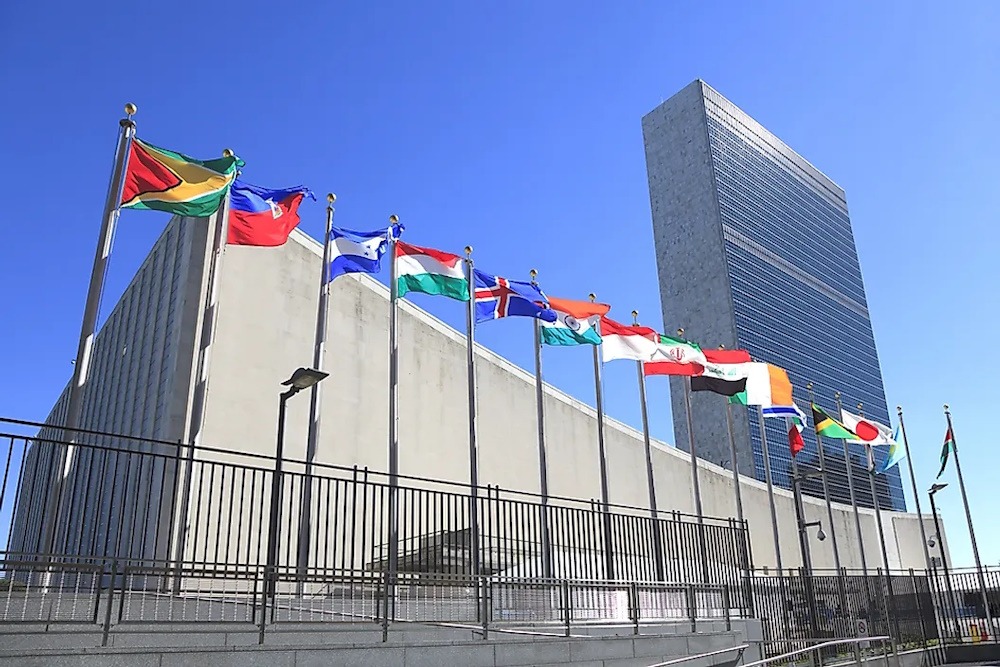
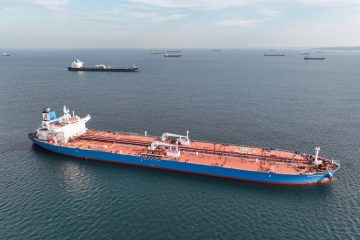
The United Nations has issued a warning regarding substantial risks to global trade and development, highlighting the potential for increased food prices and a rise in the cost of living if the Strait of Hormuz is closed due to the conflict in West Asia. The UN Conference on Trade and Development reported on Tuesday that the current military escalation in the region, stemming from US-Israeli strikes on Iran and subsequent retaliation by Tehran, has significantly disrupted shipping flows through the Strait of Hormuz, a vital maritime chokepoint globally. The narrow passage is responsible for transporting approximately a quarter of the global seaborne oil trade, along with substantial quantities of liquefied natural gas and fertilizers. “The resulting ripple effects go far beyond the region, affecting energy markets, maritime transport and global supply chains,” the report said. “Higher energy, fertiliser and transport costs including freight rates, bunker fuel prices and insurance premiums may increase food costs and intensify cost-of-living pressures, particularly for the most vulnerable,” it said.
Stephane Dujarric stated during the daily press briefing that UNCTAD’s economic analysis regarding the potential closure of the Strait of Hormuz underscores “significant risks to global trade and development”. The UNCTAD report emphasized that disruptions in the Strait of Hormuz highlight the “vulnerability” of essential maritime chokepoints to geopolitical tensions and their capacity to transmit shocks throughout supply chains and commodity markets. It further noted that reducing risks to global trade and development, including environmental risks, requires de-escalation and safeguarding maritime transport, ports and seafarers, and other civilian infrastructure, while maintaining secure trade corridors in line with international law and freedom of navigation. The economic impacts, on both a global scale and within the region, will hinge on the duration, intensity, and geographic scope of the tensions. “Continued monitoring is essential to assess evolving risks and their potential impacts,” stated UNCTAD. The report highlighted that numerous developing countries are currently grappling with significant debt service burdens, restricted fiscal space, and limited access to finance.
In this context, increasing costs for energy, transport, and food may place significant strain on public finances and household budgets. This situation could intensify economic and social pressures, making it more challenging to achieve sustainable development, especially in economies that rely heavily on imported energy, fertilizers, and staple foods. UNCTAD data reveals that approximately 20 million barrels of oil per day, which accounts for about 25 percent of the global seaborne oil trade, traversed the Strait of Hormuz in 2024. Crude oil and condensate represented 14 million bpd, while petroleum products accounted for 6 million bpd. Data from a week before the recent escalation in West Asia indicated that 38 percent of global seaborne crude oil trade, 29 percent of liquefied petroleum gas trade, and 19 percent each of liquefied natural gas and refined oil products transited through the Strait.
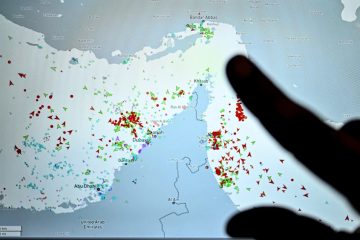
Since February 28, when the first strikes against Iran were launched by the US and Israel, ship traffic through the Strait of Hormuz has decreased by 97 percent. UNCTAD cautioned that disruptions in the Strait jeopardize energy supplies, especially to Asia. In 2024, 84 percent of the 14.3 million barrels of crude oil per day transported through the Strait of Hormuz were directed towards Asia, while merely 16 percent was intended for Europe and other regions. In a similar vein, 83 per cent of the 10.4 billion cubic feet of liquefied natural gas transported daily through the Strait was destined for Asia. According to UNCTAD, approximately one-third of the global seaborne fertiliser trade, which amounts to about 16 million tonnes each year, transits through the waterway. The UN agency cautioned that the potential closure of the Strait could have widespread consequences, stating, “When oil prices go up, food prices often go up. When gas prices go up, fertiliser prices often go up.” It stated “The current shock comes at a time when many developing economies struggle to service their debt, face a tightening of fiscal space and limited capacity to absorb new price shocks.”