UK Treasury Chief Reeves Poised for Another Tax Hike in Second Budget
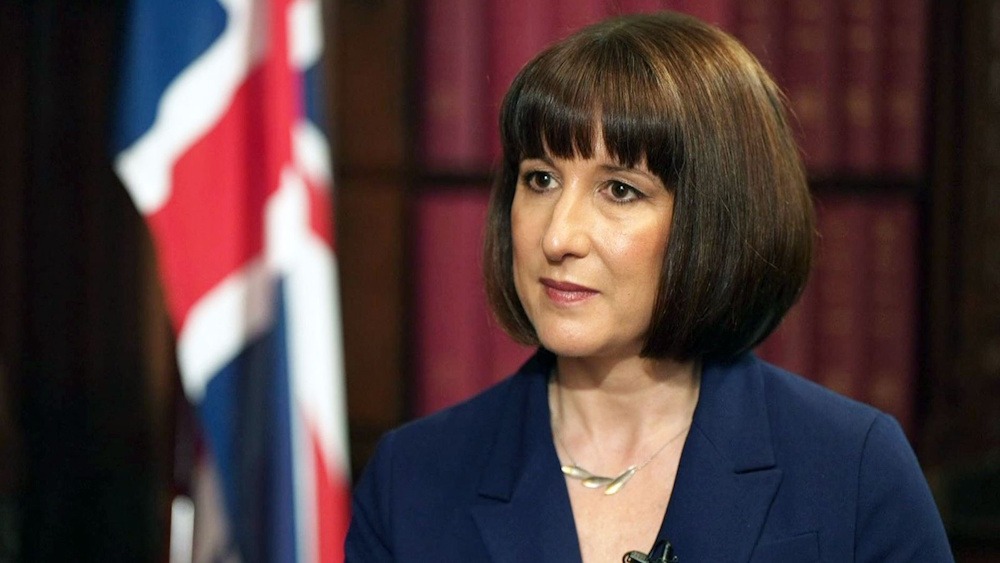
After weeks of speculation, Britain’s Labour government, which has faced unpopularity, is set to present its second budget later on Wednesday. This follows their significant election victory in July 2024, marking their return to power after 14 years in opposition. Treasury chief Rachel Reeves, the first woman to hold the post of Chancellor of the Exchequer, is poised to inform lawmakers that additional tax-raising measures are essential to address a deficit in the public finances. Reeves expressed similar sentiments during her initial budget presentation just over a year ago. That budget, she had insisted, would be the sole significant tax-raising budget in this parliamentary term, which is set to extend until 2029. Regrettably for Reeves, the British economy, ranked as the sixth-largest globally, is not performing to her expectations, with numerous critics attributing this downturn to her decision last year to impose taxes on businesses. Despite indications that the economy was recovering in the first half of the year, when it was the fastest-growing among the Group of Seven leading industrial nations, it has stumbled once more.
“The Chancellor faces a delicate balancing act of conveying fiscal stability while advancing the growth agenda,” said Peter Arnold. Since the global financial crisis of 2008-9, false dawns have consistently characterized the British economy. If the economy had maintained its growth at pre-crisis levels, it would be almost a quarter larger. A significant amount of activity has been lost, resulting in a considerable decline in tax revenue flowing into the Treasury’s coffers. Alongside the enduring expenses stemming from the financial crisis, Britain’s public finances have faced additional pressure, similar to other nations, due to the financial burdens of the COVID-19 pandemic, the Russia-Ukraine conflict, and the global tariffs imposed by US President Donald Trump. The UK faces the additional challenge of Brexit, which has resulted in billions being deducted from the economy since the nation departed from the European Union in 2020.
Meanwhile, Reeves faces several spending commitments, including addressing a series of reversals on proposed welfare cuts and the probable elimination of a cap on benefits allocated to children from larger families. She also aims to assist with the cost of living as inflation continues to be persistently elevated. Actions like freezing rail fares or reducing green taxes on energy bills carry significant costs. In summary, economists believe that she will need to secure approximately 20-30 billion pounds (USD 26-39 billion). Despite weeks of intense speculation, a straightforward increase in income tax appears to be off the table, leaving Reeves with the likely necessity to generate revenue through smaller, more intricate taxes.
The primary action expected is an additional freeze on the thresholds at which individuals are taxed in Britain, resulting in more people entering higher tax brackets as wages increase. Other potential changes encompass a mansion tax on high-valued properties, modifications to the capital tax regime, and the generous provisions for private pensions.