UK Government Stands by BBC Amid Trump Lawsuit Threat
The government of Britain stood firm in support of the BBC amid accusations of bias from its detractors and the looming possibility of a lawsuit from US President Donald Trump regarding the broadcaster’s editing of a speech he delivered following his loss in the 2020 presidential election. Culture Secretary Lisa Nandy acknowledged that the national broadcaster encounters challenges, some of which it has created itself, yet it remains the most widely utilized and trusted news source in the United Kingdom. As calls for a reexamination of the BBC’s funding and governance grow among critics in media and politics, Nandy asserted, “the BBC as an institution is absolutely essential to this country. At a time when the lines are being dangerously blurred between facts and opinions, news and polemic, the BBC stands apart,” she said. A lawyer representing Trump is seeking a retraction, an apology, and compensation from the broadcaster regarding an allegedly defamatory segment featured in a documentary aired last year.
The BBC has issued an apology for the misleading editing of a speech delivered by Trump on January 6, 2021, prior to the moment when a crowd of his supporters stormed the Capitol in Washington. In a broadcast just days before the November 2024 US election, the documentary Trump: A Second Chance? edited together three quotes from two segments of the speech, which were delivered nearly an hour apart, creating the impression of a single quote in which Trump called on supporters to march with him and fight like hell. Included in the edits was a segment where Trump expressed his desire for supporters to demonstrate peacefully. Samir Shah, chair of the BBC, acknowledged that the editing of the speech created the impression of a direct call for violent action. The BBC has yet to issue a formal response to the request from Florida-based Trump attorney Alejandro Brito, who demands that it retract the false, defamatory, disparaging, and inflammatory statements, issue an apology, and provide appropriate compensation to President Trump for the harm caused by Friday, or face potential legal action for $1 billion in damages. Nigel Huddleston, media spokesman for the opposition Conservative Party, stated that the BBC ought to issue a comprehensive apology to the US president “to avoid legal action.”
Legal experts indicate that Trump is probably too late to pursue legal action against the BBC in Britain, as the one-year deadline to file a defamation suit has lapsed. He remains able to pursue a defamation claim in multiple US states, with his lawyer referencing Florida law in a correspondence to the BBC; however, he encounters significant legal challenges. The BBC, a national institution funded by the public, has been serving the nation for a century and is now facing increasing pressure amid a landscape of polarised politics and evolving media consumption patterns. Funded through an annual license fee of 174.50 pounds ($230) paid by all households who watch live TV or any BBC content, the broadcaster often becomes a subject of political debate, with conservatives perceiving a leftist bias in its news coverage, while some liberals claim it exhibits a conservative inclination. Accusations of interference with the broadcaster have been directed at governments from both the left and the right, with oversight provided by a board comprising both BBC nominees and government appointees. Some defenders of the BBC assert that board members appointed during previous Conservative administrations have been compromising the integrity of the corporation from within.
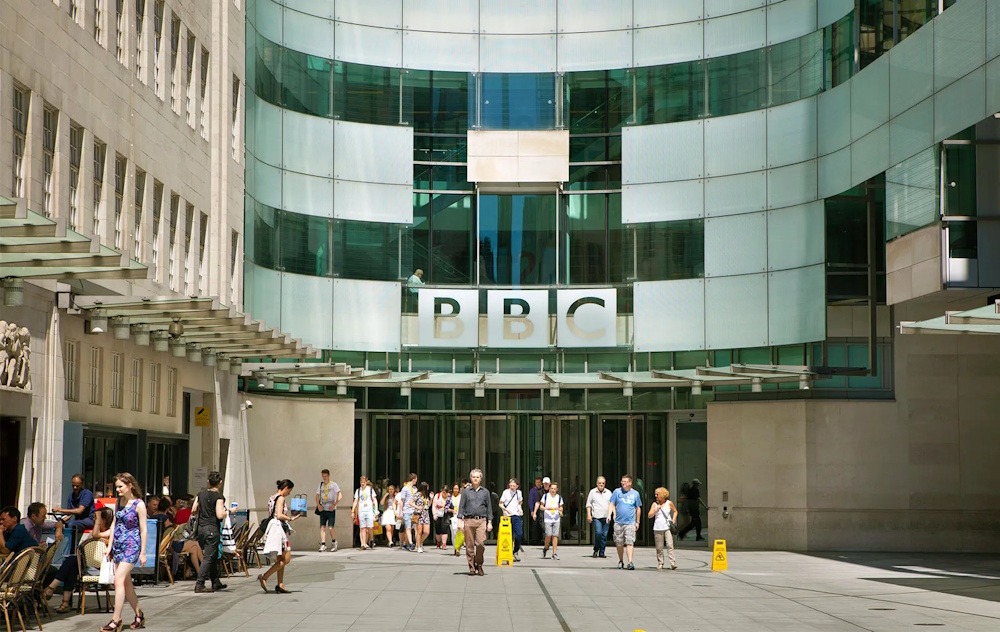
The broadcaster has faced increasing pressure following the publication of excerpts from a dossier by Michael Prescott, who was engaged to provide counsel to the BBC on standards and guidelines, as per reports. In addition to the Trump edit, Prescott expressed criticism of the BBC’s coverage of transgender issues and voiced concerns regarding perceived anti-Israel bias in the BBC’s Arabic service. Near the BBC’s London headquarters, some passersby expressed that the scandal would further erode trust in a broadcaster already under pressure. Amanda Carey, a semi-retired lawyer, remarked, “the editing of the Trump speech is something that should never have happened.” “The last few scandals that they’ve had, trust in the BBC is very much waning and a number of people are saying they’re going to refuse to pay the license (fee),” she said. A rising contingent of individuals contend that the license fee is untenable in an era where numerous households engage with little or no conventional television. Nandy stated that the government will soon initiate the once-a-decade process of reviewing the BBC’s governing charter, which is set to expire at the end of 2027. She stated, “the government would ensure the BBC is sustainably funded (and) commands the public’s trust,” yet did not clarify if the license fee could be reduced or eliminated. Davie, who announced his resignation as BBC director-general on Sunday, acknowledged, “we have made some mistakes that have cost us.” However, he emphasized: “We’ve got to fight for our journalism.”