The US provides a $20 billion lifeline to stabilize Argentina’s economy
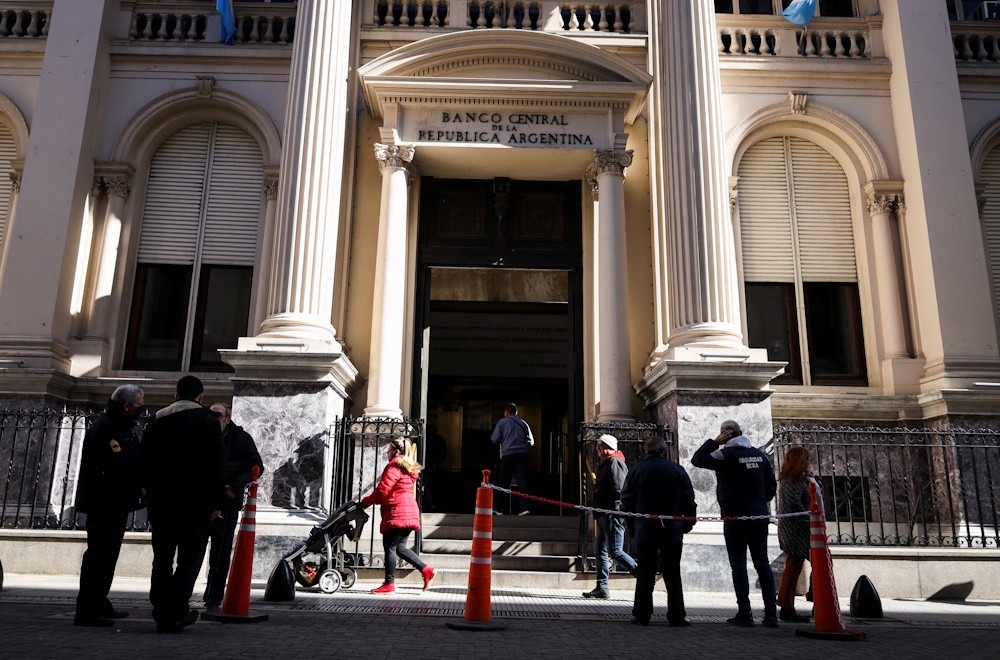
The US acted swiftly on Thursday to stabilize Argentina’s economy, providing $20 billion in financing and executing a rare intervention in currency markets to support the peso following weeks of significant declines. Washington has finalized a $20 billion currency swap framework with Argentina’s central bank, Treasury Secretary Scott Bessent stated. The US also directly purchased pesos, a move that follows unsuccessful efforts by Argentine authorities to stabilize the exchange rate on their own, he said. President Donald Trump and Bessent are wagering on a nation that has faced repeated defaults and devaluations over the past several decades. The objective is to assist their political ally, President Javier Milei, in securing a victory in the midterm elections on October 26, while also soothing markets that are anxious about the potential resurgence of his leftist opponents. “The US Treasury is prepared, immediately, to take whatever exceptional measures are warranted to provide stability to markets,” Bessent said. Milei expressed his gratitude for the intervention, thanking Bessent and Trump. “Together, as the closest of allies, we will make a hemisphere of economic freedom and prosperity,” he stated.
Bessent described Argentina’s difficulties as “a moment of acute illiquidity,” implying that he does not perceive a fundamental problem with its capacity to fulfill its debt obligations. The specifics of what the US is requesting from Argentina in exchange for its assistance remain ambiguous. Milei has refuted claims that the United States requested Argentina to eliminate a distinct $18 billion swap line with China. Amid rising speculation prior to Bessent’s announcement regarding potential US pressure on Argentina to permit a free float of the peso, the Treasury chief asserted that the country’s “exchange rate band remains fit for purpose.” Bessent stated “Argentina’s policies, when anchored on fiscal discipline, are sound.” He also stated that he talked about possible investment incentives for US companies interested in conducting business in Argentina. Argentina’s dollar bonds surged across the curve, with several of the nation’s most liquid notes rising over 4 cents on the dollar to reach session highs. The peso began the day with a decline of 2.7 per cent as local authorities refrained from intervening in the market for the first time in over a week, but ultimately closed 0.7 per cent higher against the dollar. Trump and Milei are scheduled to meet at the White House on October 14 for their second discussion, following their previous talks during the UN General Assembly in New York.
The announcements come after several days of discussions between the US and Argentina’s economic team, which included Economy Minister Luis Caputo, who also met this week with International Monetary Fund Managing Director Kristalina Georgieva. Argentina stands as the Fund’s largest debtor, with an outstanding amount of approximately $55 billion following a series of bailouts. The new bilateral “swap” is expected to differ from the swap lines that the Federal Reserve maintains with other developed-economy central banks, resembling more the mechanisms employed by Washington to assist Mexico three decades prior. “It’s familiar terrain” for Bessent, said Gregory Faranello, referencing the former hedge fund manager’s extensive experience in the foreign-exchange market. However, a $20 billion line is “unlikely to fix the underlying challenges,” he stated.
The decision to assist Argentina has faced scrutiny from both political parties in Washington, as it appears to contradict Trump’s “America First” agenda. Democratic Senator Elizabeth Warren has been one of the most outspoken critics, and on Thursday inquired of a group representing hedge funds and asset managers whether they had any involvement in Washington’s aid. Milei has consistently asserted that the government is not the solution, using a chainsaw as a symbol to represent the need for federal spending cuts in Argentina. After vowing to shut down his central bank during his campaign two years ago, the currency swap line now operates through it. Trump’s financial lifeline for Milei is in addition to the US backing a separate $20 billion agreement with the IMF for Argentina made in April. That marked Argentina’s third bailout from the fund since the beginning of Trump’s first term. US injects $20 billion to stabilize Argentina’s economy, Treasury buys pesos