Oil Tankers Shun Venezuela as US Seizure Threat Looms
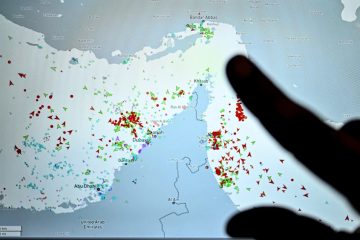
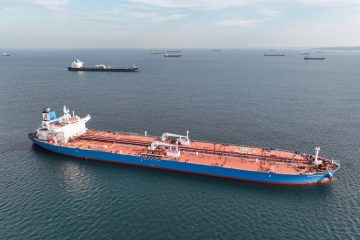
The United States is issuing threats to seize vessels transporting oil that supports the dictatorship of President Nicolas Maduro, which has resulted in an increase in the number of oil tankers that are diverting away from Venezuela. According to the movements of ships that were watched on Friday, at least seven ships have either changed their route or come to a complete stop at sea. In the immediate wake of the United States military boarding the vessel Skipper in the middle of December, this constitutes the fifth individual to decline the offer. According to statements made by President Donald Trump of the United States, Venezuela is using the money it earns from oil to finance a variety of illegal operations, including the trafficking of drugs and terrorist acts.
Within the framework of Trump’s pressure campaign, United States troops have carried out attacks on boats that are believed to be involved in drug trafficking, which have resulted in the deaths of more than one hundred persons, and they have also seized two oil tankers. Both the Skipper and the Centuries, which were taken into custody, are currently anchored in the waters off the coast of Texas. In response to the claims, Venezuela has stated that the steps taken by the United States are entirely unlawful. The United States of America made an announcement that it had attacked a facility in Venezuela that was apparently used for the trafficking of narcotics. This is a further sign of the escalation.
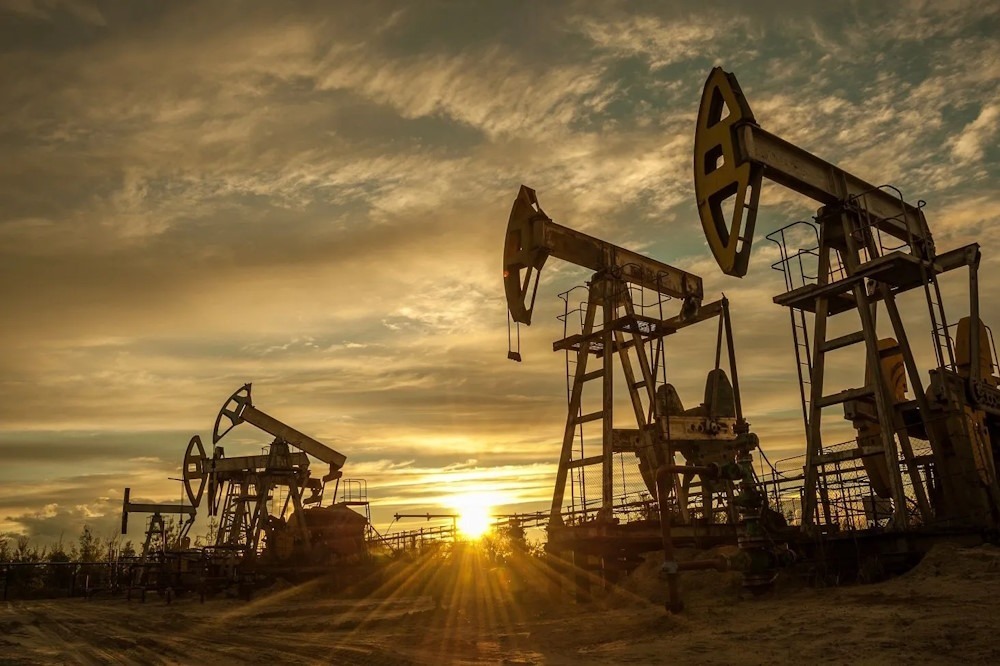
In addition, it slapped penalties on four Chinese firms and four vessels that were involved in the trade of crude oil from Venezuela. All of the vessels that are avoiding the seas of the Caribbean have the capability of transporting a total of 12.4 million barrels of crude oil. Based on the data, it appears that four of them headed in a different direction, while three others have become stuck at sea. Petroleos de Venezuela SA, which is controlled by the Venezuelan government, has been forced to cease operations at specific oil wells because the country’s storage tanks are almost full of oil. This is because tankers are avoiding Venezuela. When compared to the levels that were witnessed in the middle of December, production in the crucial Orinoco basin, which is where the majority of the country’s oil is generated, had dropped by 25 percent on December 29.
The cash-strapped economy of the nation, which has already been devastated by seven years of oil sanctions imposed by the United States, is brought under further strain by any disruption to oil shipments. The commodity is extremely important to the economy of Venezuela since it is used to finance necessities like food and medicine. A license that Chevron Corporation, a major oil company in the United States, has secured from the United States Treasury Department allows it to continue lifting Venezuelan petroleum.