NASA denies Chinese access as US seeks moon race lead
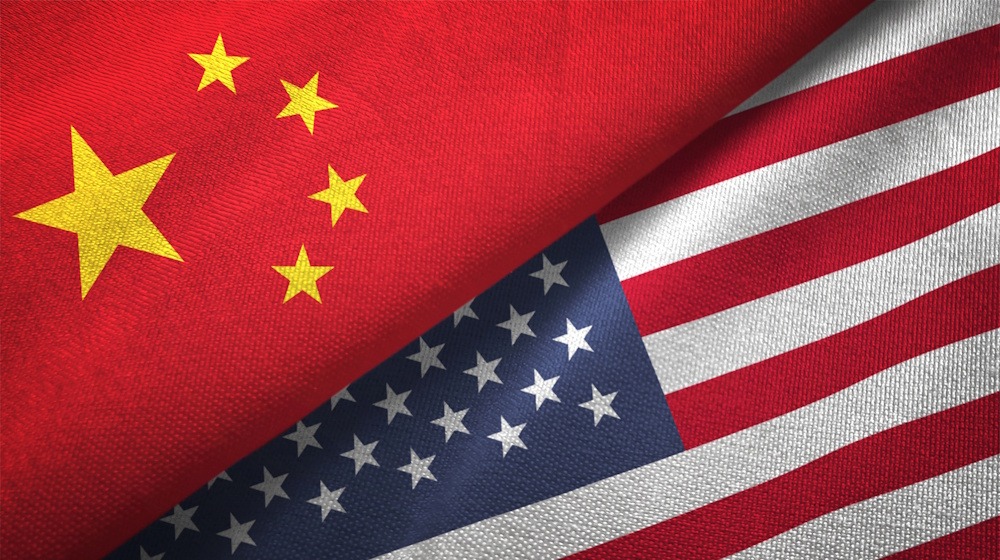
Did you believe that the Cold War concluded with the collapse of the Soviet Union? During that era, the United States and the Soviet Union vied for dominance in every significant achievement, from advancements in space exploration to the historic moon landing. The rivalry that seemed to conclude with the dissolution of the USSR has resurfaced, fueled by China’s rise as a significant global force. Now, the competition is reignited, this time pitting Washington against Beijing.
In response to growing American concerns regarding China’s swift advancements in space exploration and other critical technologies, NASA has allegedly prohibited Chinese nationals holding US visas from accessing its facilities and internal networks. On September 5, the new restrictions came into effect. The space agency has restricted access for Chinese nationals to agency meetings, data systems, and work-related materials. NASA has historically imposed restrictions on hiring Chinese citizens; however, those without connections to Beijing’s state-owned enterprises or government entities have still managed to find avenues to contribute to NASA as contractors, graduate students, or university scientists. The channel now seems to be closed. A spokesperson for NASA stated that the measure was implemented to protect both physical and cybersecurity access to the agency’s operations. The ban prohibits both in-person and virtual participation in agency meetings and data systems.
The decision arrives as the United States and China gear up for a new chapter in their lunar aspirations. NASA aims for a crewed moon landing in 2027, while Beijing has set its sights on sending astronauts by 2030. Senior American officials have characterized the competition in clear geopolitical terms. The discussion has already reached Capitol Hill, with lawmakers from both parties recently advocating for the United States to send astronauts back to the moon before China secures a presence there. This has framed the space race as a critical measure of technological dominance and national security. NASA’s limitations on Chinese nationals align with a renewed effort in the US House of Representatives to reinstate the Department of Justice’s contentious ‘China Initiative’. Initiated in 2018 to address purported ‘economic espionage’, the programme was discontinued in 2022 following backlash over its dependence on racial profiling, limited convictions, and detrimental effects on scientific collaboration.
The House Appropriations Committee characterized the termination of the initiative as “deeply irresponsible,” as reported. Although the Senate version of the bill lacks comparable provisions, Democratic lawmakers have cautioned against a potential “backslide” on civil rights. Consistent with prior years, the House spending bill restricts Chinese citizens’ access to NASA funding and prohibits collaboration with Chinese entities. Broader restrictions on US-China scientific collaboration are intensifying. Last week, a congressional panel criticized the Pentagon for supporting projects associated with Chinese universities connected to defense industries. The decision by NASA arrives amid increasing pressure on America’s scientific community. Decreased funding, stricter immigration regulations, and political challenges are complicating the ability of researchers to stay in the United States.
A Nature survey conducted earlier this year revealed that three-quarters of scientists of Chinese origin based in the US were contemplating relocation abroad, with Europe and China identified as appealing options. China, in particular, has reaped the rewards of the trend. A study conducted by Stanford University in 2024 revealed a 75 percent increase in the number of Chinese-origin scientists departing from the United States since 2010, a trend that has intensified following the initiation of the China Initiative. China’s generous funding and compensation packages have acted as ‘pull factors’, while the prevailing sense of mistrust in the US has emerged as a significant ‘push factor’.