Japan’s Trade Surplus: Exports Offset Weak China Demand
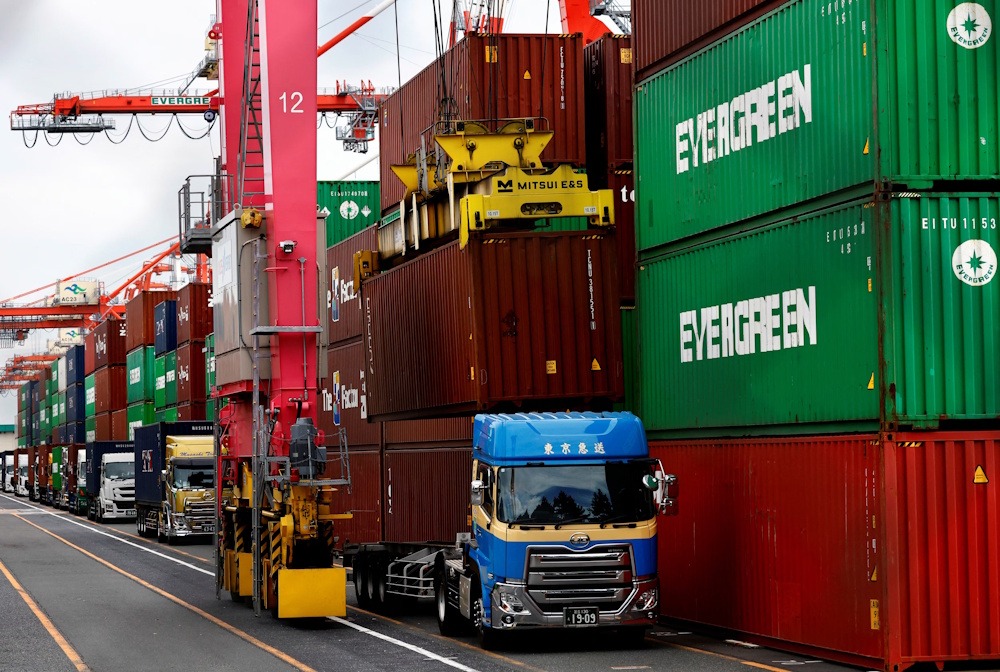
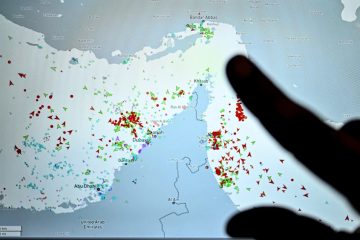
Japan reported a trade surplus of 57.3 billion yen ($360 million) in February, as per government data released Wednesday, marking a reversal from a deficit in the previous month. In February, exports experienced a robust growth of 4.2 per cent, reaching 9.57 trillion yen, according to the Finance Ministry’s seasonally adjusted preliminary data. Imports experienced a growth of 10.2 percent year-on-year, reaching 9.51 trillion yen, after a contraction of 2.5 percent in January. In that month, Japan recorded a trade deficit of 1.15 trillion. Import costs are expected to increase as the effective closure of the Strait of Hormuz, prompted by the conflict with Iran, elevates oil and other energy prices.
Japan relies on imports for nearly all its oil, and in recent weeks, Brent crude – the international benchmark – has surged to approximately $100 a barrel. Geopolitical uncertainty, particularly the conflict in Iran, casts a significant shadow over Japan’s export-dependent economy; however, a depreciated yen is expected to serve as a beneficial factor. The US dollar has been trading at approximately 159 yen, a notable increase from below 150 yen a year ago. Shipments to China experienced a decline of 10.9 per cent compared to the same month last year, with demand likely being unusually weak due to the Lunar New Year holidays occurring in February this year.
Exports to the US decreased by 8 percent, attributed to a decline in auto exports. President Donald Trump’s tariffs on Japanese autos, currently set at 15 percent, persist in impacting Japan’s automakers and auto supply manufacturers. Exports to Europe remained robust, increasing by 17 percent in February compared to the same month last year. Exports to the rest of Asia also experienced growth, increasing by 2.8 per cent. Investors are closely monitoring the actions of the Bank of Japan regarding interest rates as the central bank’s policy board wraps up its two-day meeting on Thursday.
“Central banks are waiting to see if these elevated oil prices are a temporary blip or a running theme for 2026, in which case we may see more global peers pivot from a dovish to a hawkish stance,” said Tim Waterer. Investors are keenly observing any potential deals that may arise from the upcoming summit later this week between Trump and Sanae Takaichi, Japan’s first woman prime minister.