Japan’s New PM Confronts Foreign Policy Test with Trump and Asian Allies
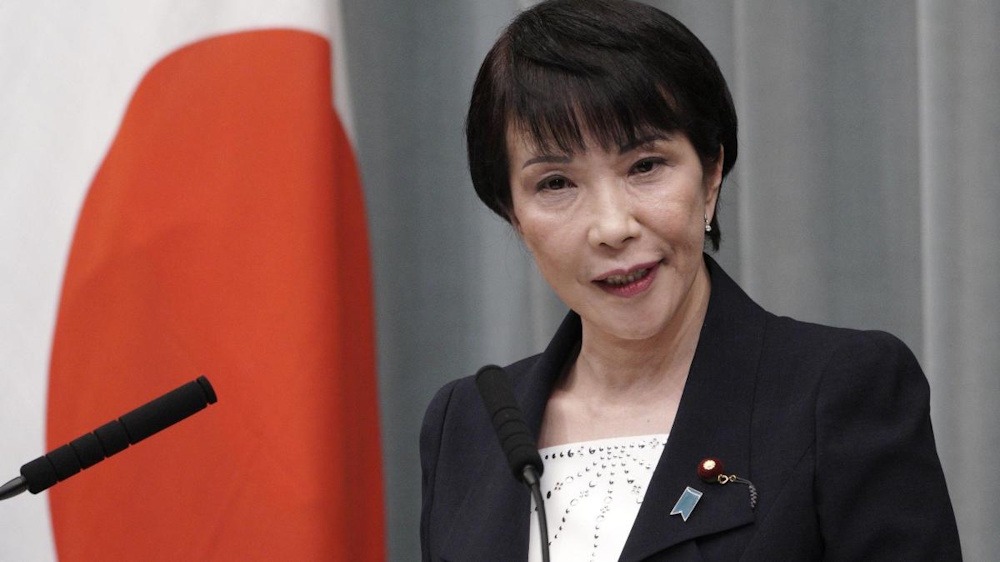
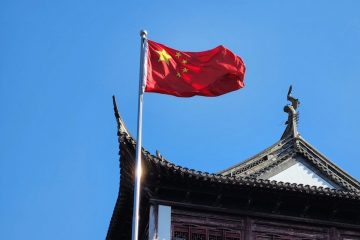
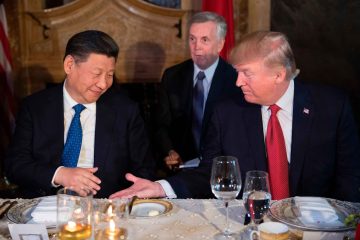
Just days after taking office, Japan’s new leader encounters a succession of foreign policy challenges, highlighted by a meeting with US President Donald Trump in Tokyo, which is positioned between Asia-region summits in Malaysia and South Korea. Prime Minister Sanae Takaichi, who has limited experience in international affairs, faces the challenge of navigating Trump’s demands and unpredictability, as well as China’s cautious stance regarding her robust support for military expansion and her right-wing perspectives on Japan’s invasion of China during World War II. She is set to arrive in Malaysia on Saturday for discussions with Southeast Asian leaders, after which she will return to Japan to meet Trump before traveling to South Korea for the Asia-Pacific Economic Cooperation summit at the week’s conclusion. During her inaugural news conference as prime minister, she characterized her agenda as filled with diplomatic engagements and emphasized that it will serve as a significant opportunity to connect with fellow regional leaders. Chinese leader Xi Jinping is set to attend the summit in South Korea, where discussions with Trump are on the agenda; however, a one-on-one meeting with Takaichi would come as a surprise. Since Takaichi assumed the role of prime minister on Tuesday, neither Xi nor Chinese Premier Li Qiang has offered public congratulations. Immediate congratulations were extended to her predecessor, Shigeru Ishiba, known for his more moderate positions on China.
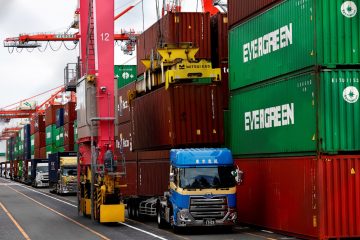
America has historically served as Japan’s most significant ally and protector; however, similar to NATO and other partnerships, Trump has insisted that Japan increase its contributions toward its defense. The tariffs he imposed on imports have significantly impacted the nation’s economy. Takaichi pledged Friday to expedite a plan aimed at raising defense spending to 2% of Japan’s GDP, a reflection of the economy’s scale. “The target would be reached in March instead of 2027,” she said. In her policy speech to parliament, she stated, “In the region around Japan, military activities and other actions from our neighbours China, North Korea and Russia are causing grave concerns.” Trump appears to be concentrating in both Japan and South Korea on his requests for increased investment in the United States, especially for factories that would generate employment for American workers. Takaichi may gain an advantage from her association with former Japanese Prime Minister Shinzo Abe, who seemingly earned the trust of President Trump during his initial term in office. She holds views on wartime history that align with Abe’s, possibly even more fervently than he expressed. Prior to her tenure as prime minister, she was one of the conservative lawmakers who consistently honored Japan’s war dead at Yasukuni Shrine in Tokyo. The visits provoke strong reactions from both China and South Korea, as the enshrined figures include former leaders who were convicted of war crimes for their actions during World War II.
Takaichi notably skipped a visit during the autumn festival earlier this month, at a time when it seemed probable she would ascend to the role of Japan’s leader. Her primary objective at this time is political stability, and analysts believe she will avoid voicing her opinions on the war and steer clear of the shrine to prevent any incidents that might destabilize her fragile and unproven coalition government. “It would be so foolish of her especially in her first year to create a major diplomatic incident because she wants to go to Yasukuni Shrine,” said Gerald Curtis. He stated that her right-wing supporters are aware she is aligned with them, thus she does not need to visit the shrine to demonstrate that allegiance. A Chinese expert on Japan agreed. Lian Degui observed that Abe sustained connections with China despite intensifying military collaboration with the US and his unsuccessful efforts to amend Japan’s pacifist constitution, a contentious topic for China. “If she can learn from Abe, bilateral relations will not deteriorate,” he said. Abe seldom visited Yasukuni Shrine during his tenure as prime minister, and this serves as the basis for bilateral relations. Avoiding the shrine may prevent ties from deteriorating, yet experts indicate that it is difficult to envision any improvement, considering the fundamental differences regarding regional security. Takaichi has characterized the US-Japan alliance as the foundation of her nation’s diplomatic and security strategy. Japan, as viewed from the US, is a crucial ally in America’s approach to China and its broader Indo-Pacific strategy, she noted during her news conference.
China, on the other hand, has diminished motivation to enhance relations compared to previous times, stated Rintaro Nishimura. “Given the situation now, their focus is on dealing with Trump directly, and Japan I don’t think is their first priority at this point,” he said. Shi Yinhong anticipates that the military confrontation between Japan and China will escalate under Takaichi, noting that disputes over wartime history may also rise. The new prime minister has expressed her desire to uphold stable relations with China; however, a different Chinese expert cautioned against placing too much faith in those remarks. “These remarks are all the pre-established tones of the Japanese foreign ministry,” said Liu Jiangyong. He remarked that a meeting with a Chinese leader is hard to envision, considering Takaichi’s previous comments on history and her efforts to bolster the military; however, a brief courtesy greeting during a regional summit could be feasible.