Iran is drafting a law to charge for Hormuz passage
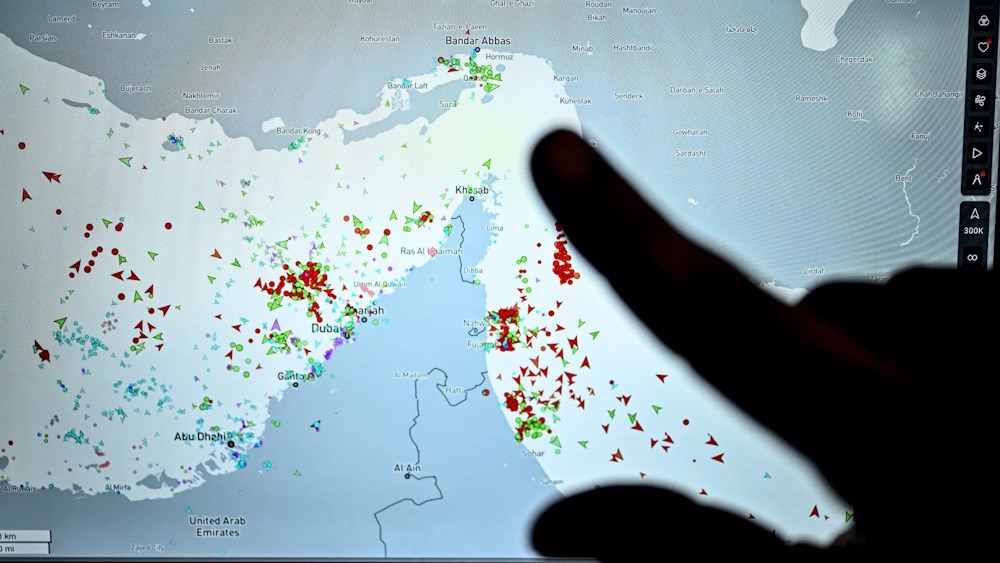
The Iranian parliament is currently drafting a bill that would require vessels to pay a fee for safe passage through the Strait of Hormuz, as reported. It is reported that the plan is set to be finalised next week, and will legally acknowledge Iran’s oversight of Hormuz, a crucial passage that links some of the globe’s largest oil and gas producers in the Persian Gulf to the international market.
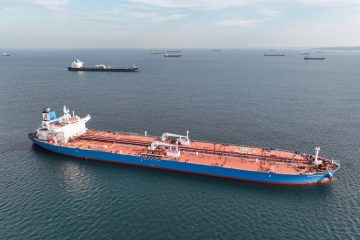
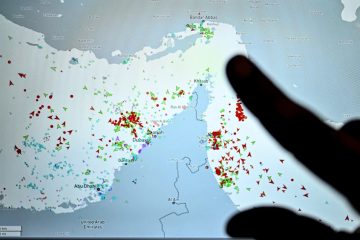
The narrow waterway has been effectively closed since US and Israeli strikes on Iran commenced nearly a month ago, emerging as a central point of the conflict. In the weeks that have passed, only a limited number of ships have navigated through, as Iran intensifies its control. The majority of these vessels have ties to Iran or China, with a few having obtained safe passage from the Islamic Revolutionary Guard Corps. Tehran’s legislation would formalize a unilateral arrangement already widely reported by the shipping industry, with payments of as much as $2 million being sought from vessels as an informal toll. Crews have been solicited via intermediaries for information regarding staff, cargo, and voyage specifics, and in certain instances, for a fee; however, these efforts have lacked a systematic approach.
The toll and assurances of safe passage present intricate dilemmas for the shipping industry, which is keen to assist crews and cargoes stranded in the Persian Gulf, yet hesitant to confront sanctions and security threats. International law typically guarantees freedom of navigation through vital stretches like this one. “Ultimately, it’s a question of whether you will trust Iran on this,” said Amanda Bjorn speaking on the sidelines of a maritime conference in Singapore.
“It will contribute to hindering global trade, where we have — for the past hundred years or so — enjoyed freedom of navigation.” The disruption of flows through Hormuz has led to mandatory shut-ins of Persian Gulf oil production, and refineries in the region have sustained damage due to the conflict. As a consequence, oil prices have surged, with the global benchmark Brent exceeding $114 a barrel earlier this week.