Iran Conflict May Halt BoE Rate Cuts
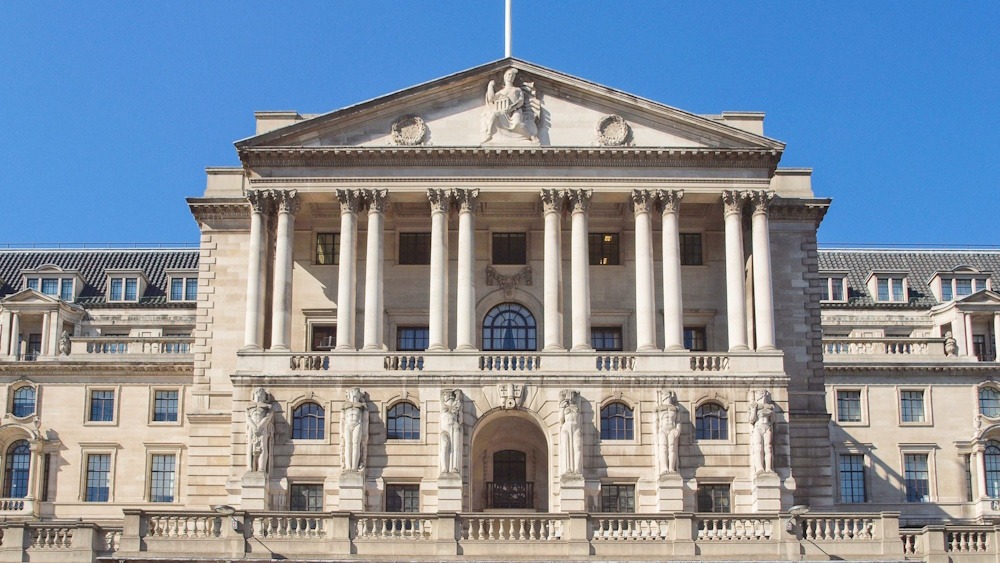
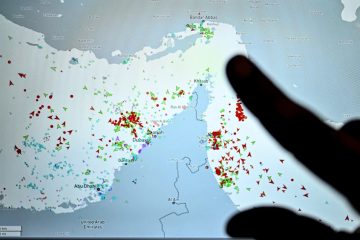
Prior to the US and Israel commencing their bombing of Iran less than three weeks ago, it was widely anticipated that the Bank of England would reduce interest rates once more on Thursday. It is now almost certain that the base rate will remain unchanged at 3.75 per cent. The commencement of the Iran war on February 28 initiated a series of events that has significantly disrupted global economic predictions, particularly regarding its impact on prices. The prolonged duration of the Iran war and the ongoing closure of the Strait of Hormuz will inevitably lead to increasing economic hardship. A fifth of the world’s crude oil goes through the strait.
The most noticeable effect has been observed in oil and gas markets, where prices have surged significantly since the onset of the war. The situation has already influenced prices at the pump and, if it continues, will result in increased domestic energy bills. Amidst the new inflationary pressures impacting the global economy, central bankers are compelled to reevaluate their forecasts for 2026, concerning both inflation and growth. On Wednesday evening, the US Federal Reserve decided to keep its key interest rate unchanged, aligning with expectations.
For the Bank of England, it appears that inflation will not decrease to its target rate of 2 per cent as quickly as anticipated, resulting in a higher price profile for the remainder of the year – certainly not the environment for any imminent interest rate cuts. “The bank would be wise to wait and see whether a rise in energy prices triggers a re-acceleration of underlying price pressures before acting,” stated Andrew Wishart. Wishart stated that the bank’s nine-member Monetary Policy Committee might reduce its main interest rates from the current 3.75 percent as early as June, contingent on the closure of the Strait of Hormuz being brief. “If energy prices stay high for six months, the bank would probably delay the reduction until 2027,” he added.
Following the rate-setting meeting last month, financial markets anticipated a minimum of two to three quarter-point cuts in the base rate for this year. The economic projections that accompanied the decision to maintain the current rates indicated that inflation would reach the target by spring. However, the bank’s governor, Andrew Bailey, stated, “all going well,” there should be scope for some further cuts this year.