Global inequality worsens as aid drops and financial reforms stall
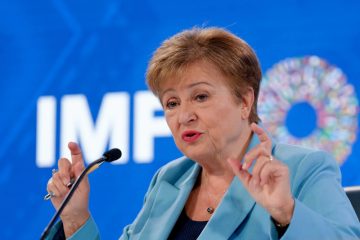
A UN report concluded that the gap between rich and poor nations is expanding further, as many countries have yet to fulfill their commitments made last year, including the overhaul of major global financial institutions. The report evaluating the framework established in Seville, Spain, last June to bridge the gap and meet UN development goals for 2030 was released in advance of next week’s spring meetings in Washington of the International Monetary Fund and the World Bank, the principal global financial institutions advocating for economic growth. The managing director of the IMF, Kristalina Georgieva, stated that the organization had been ready to revise its projections for global growth; however, the conflict in Iran has now cast a shadow over the prospects for the world economy.
Li Junhua stated that the geopolitical tensions were exacerbating the challenges faced by developing countries in securing financing. “This is an extremely perilous time for international cooperation, as geopolitical considerations are increasingly shaping economic relations and financial policies,” he said. The report highlighted the increasing trade barriers and recurring climate-related shocks as contributing factors to the widening gap. During the conference held in Seville last year, leaders from numerous nations, excluding the United States, reached a unanimous agreement on the Seville Commitment, which sought to address the $4 trillion annual financing gap for development. It urged for increased investments in developing nations and the reform of the international financial system, encompassing the World Bank and IMF.
UN Secretary-General Antonio Guterres has consistently advocated for significant reforms to the two institutions, asserting that the IMF has favored wealthy nations over impoverished ones, and that the World Bank has not fulfilled its purpose, particularly during the Covid-19 pandemic, which resulted in substantial debt for numerous countries. His criticisms resonate with those of external observers who highlight the frustration in developing nations regarding the dominance of the US and its European allies in decision-making at financial institutions. The UN report on implementing the Seville Commitment stated that it represents “the best hope” to close the widening financial gap.
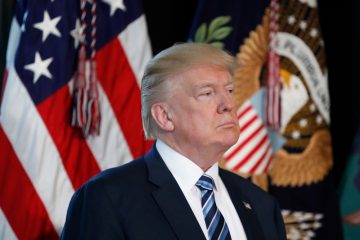
In 2025, Li reported that 25 countries reduced their development assistance to poorer nations, resulting in a 23 percent overall decline from 2024, marking the largest annual contraction on record. “The biggest decline, 59 per cent, was from the United States,” he said. According to initial findings, Li stated, a further decrease of 5.8 percent is anticipated in 2026. The report indicated that tariffs, including those enacted by the Trump administration, have significantly affected developing countries. The report indicated that average tariffs on exports from the world’s poorest nations rose significantly from 9 per cent to 28 per cent in 2025. Meanwhile, for developing countries, excluding China, average tariffs climbed from 2 per cent to 19 per cent.