G7 Takes Action to Stabilize Energy Markets Amid Iran Conflict

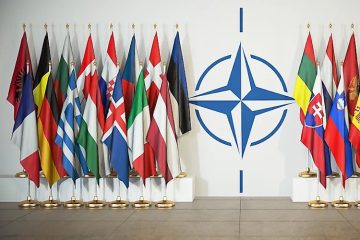
The Group of Seven on Monday expressed its willingness to implement “all necessary measures” to stabilize global energy markets in light of the ongoing conflict in Iran, according to a report. This decision comes in the wake of considerable disturbances to global energy supplies, as Brent crude oil prices have surged beyond $116-$120 per barrel amid concerns over a drawn-out conflict and the practical shutdown of the Strait of Hormuz. According to the reports, following a virtual meeting involving finance ministers, energy ministers, and central bank governors, the G7 reiterated its “commitment to keep pressure” on Russia regarding sanctions related to the Ukraine-Russia war.
The grouping, as reported, also called on “all countries to refrain from imposing unjustified export restrictions” on petroleum products, while committing to “coordinate closely” with international partners and “remain prepared to meet as needed in response to further developments.” In Tokyo following the discussions, Japan’s industry minister Ryosei Akazawa, as reported, “preparations” are in progress for a potential coordinated release of strategic oil reserves being contemplated by the International Energy Agency. Japanese Finance Minister Satsuki Katayama, as quoted by Kyodo News, cautioned that increasing crude prices are “affecting the foreign exchange market” and could jeopardize “people’s lives and the economy,” stating that Tokyo is observing the situation with “extremely high vigilance.”
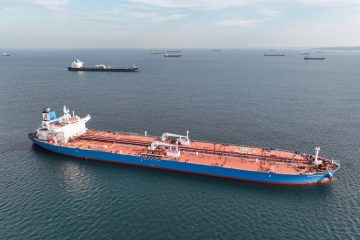
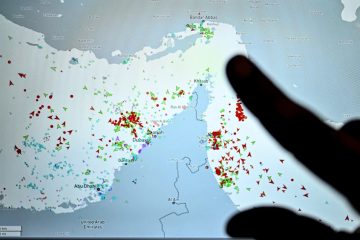
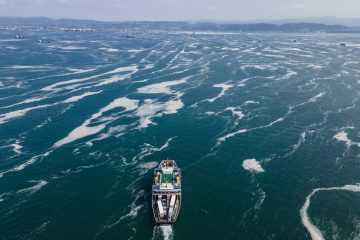
The market turbulence follows the escalation of the West Asia conflict after US and Israeli strikes on Iran, with Iranian forces effectively blocking the Strait of Hormuz, a critical artery for global oil shipments, triggering supply disruptions and a surge in crude prices. Earlier this month, the Paris-based IEA, which includes 32 member countries such as the G7 nations, initiated a coordinated release of over 400 million barrels of oil reserves. This marks its first such move since 2022, following Russia’s full-scale invasion of Ukraine.
The IEA reports that Japan contributed 79.8 million barrels to the release, marking the second-largest share following the United States, which supplied 172.2 million barrels. Japan, reliant on the Middle East for over 90 percent of its crude imports, finds itself especially susceptible to any disruptions. The G7 meetings, chaired this year by France, took place on March 9 and 10, during which ministers reached a consensus to “stand ready” for further action as the situation evolves.