G20 Supports Key Minerals Strategy for Inclusive Growth and Resilience
In its 2025 summit declaration, the G20 underscored the creation of the G20 Critical Minerals Framework, designed to utilize critical minerals as a driver for sustainable development, inclusive economic growth, and resilience. The framework aims to guarantee that mineral-producing nations, especially in the Global South, obtain the utmost advantage from their resources, progressing beyond simple raw material exports. The declaration highlighted that global economic transformations, encompassing sustainable transitions, rapid digitisation, and industrial innovation, are fueling an increasing demand for critical minerals. Nevertheless, numerous producer countries, particularly those in the developing world, encounter obstacles including underinvestment, restricted technology, minimal value addition, and socio-economic or environmental limitations. “We acknowledge that, as the global economy experiences substantial transformations, such as sustainable transitions, swift digitisation, and industrial innovations, the need for critical minerals will rise. We note that the benefits associated with critical minerals have not been fully realised and producer countries, especially in the developing world, are confronted with challenges of under investment, limited value addition and beneficiation, lack of technologies as well as socio-economic and environmental issues,” the declaration said.
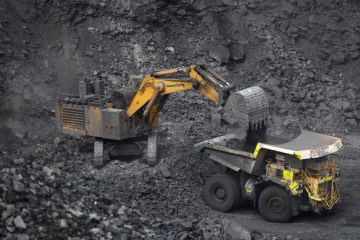
The declaration states that the Critical Minerals Framework offers a voluntary, non-binding blueprint aimed at fostering sustainable, transparent, stable, and resilient mineral value chains to tackle these challenges. These initiatives encompassed unlocking investment in mineral exploration, promoting local beneficiation to process minerals domestically instead of exporting raw materials, and enhancing governance alongside sustainable mining practices. Fostering inclusive economic growth alongside a commitment to environmental stewardship, community engagement, and the security of supply. “Therefore, we welcome the G20 Critical Minerals Framework, which is a voluntary, non-binding blueprint to ensure that critical mineral resources become a driver of prosperity and sustainable development.” The Framework aims to address the pressing necessity for global collaboration to ensure sustainable, transparent, stable, and resilient critical minerals value chains that support industrialization and sustainable development. “Further, it aims to unlock investment in mineral exploration, promote local beneficiation at source, and strengthen governance for sustainable mining practices,” the declaration stated.
“It fully preserves the sovereign right of mineral-endowed countries to harness their endowments for inclusive economic growth, while ensuring economic, social and environmental stewardship, conservation, local community participation, and supply security. Critical minerals should become a catalyst for value-addition and broad-based development, rather than just raw material exports,” it added. The framework upholds the sovereign rights of mineral-rich nations to utilize their resources for inclusive development. The initiative aims to broaden sources, routes, markets, processing locations, and value chains, all while upholding robust economic, social, and environmental standards. Furthermore, it seeks to enhance the resilience of mineral value chains against disruptions caused by geopolitical tensions, pandemics, or natural disasters. The G20 declaration emphasizes the importance of collaboration among governments, private-sector actors, investors, financial institutions, development partners, and local communities to fully realize the potential of critical minerals, fostering equitable development, economic growth, and global prosperity. “To secure long-term sustainable economic growth, we advocate for increased exploration of critical minerals, especially in developing countries; promoting diversification of mineral sources, routes, markets, processing locations, and value chains; enhancing value retention and beneficiation in mineral-rich developing nations; and the implementation of robust, non-discriminatory, and relevant standards on economic, social, and environmental aspects in alignment with national frameworks.”
“We seek to ensure that the value chain of critical minerals can better withstand disruptions, whether due to geopolitical tensions, unilateral trade measures inconsistent with WTO Rules, pandemics, or natural disasters and that more producer countries can participate in and benefit from value chains,” the declaration said. “We encourage the public and private sectors, financial institutions, development partners, investors and local communities to work together to unlock the full potential of critical minerals for the benefit of local populations where these resources are abundant, and to drive sustainable and equitable development, economic growth and prosperity,” it added. Prime Minister Narendra Modi on Saturday underscored the importance of robust international cooperation in tackling significant global challenges during his address at the G20 Summit session focused on disaster risk reduction, climate change, just energy transitions, and food systems. During the session titled “A Resilient World – the G20’s Contribution to Disaster Risk Reduction; Climate Change; Just Energy Transitions; Food Systems,” PM Modi emphasized that India is dedicated to creating a future that prioritizes humanity, sustainability, and inclusivity. He remarked that India’s developmental strategy is in harmony with the wider global aim of enhancing resilience to emerging risks.