End of New START Raises Nuclear Risks
The START treaty between Russia and the United States, designed to regulate strategic offensive arms, including nuclear weapons, expired on February 5, resulting in the world’s two largest nuclear powers lacking any legal constraints on their nuclear arsenals. With its conclusion, there are now no binding limitations on the number of nuclear warheads that each side may deploy. Here is a comprehensive analysis of the START treaty, its significance, and the implications for the future. The New Strategic Arms Reduction Treaty, often referred to as New START, represents the final significant nuclear arms control agreement between the United States and Russia. The agreement was signed in 2010 by then US President Barack Obama and Russian President Dmitry Medvedev, coming into force in February 2011. The primary objective was to decrease and constrain the quantity of strategic nuclear weapons possessed by both nations.
According to the treaty, both parties were permitted a maximum of 1,550 deployed nuclear warheads, in addition to restrictions on missiles, bombers, and other delivery systems. It also permitted both nations to conduct inspections and exchange data, facilitating the verification of compliance. The conclusion of New START: The significance of the last US-Russia nuclear treaty The treaty was initially valid for a decade and was extended once in 2021 for an additional five years, establishing its expiry date as February 5, 2026. In the years preceding the deadline, discussions aimed at extending or replacing the treaty did not yield any significant progress. Consequently, New START lapsed automatically, terminating its constraints and inspection protocols without a substitute agreement established.
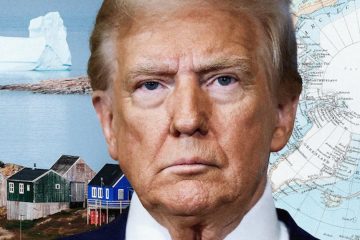
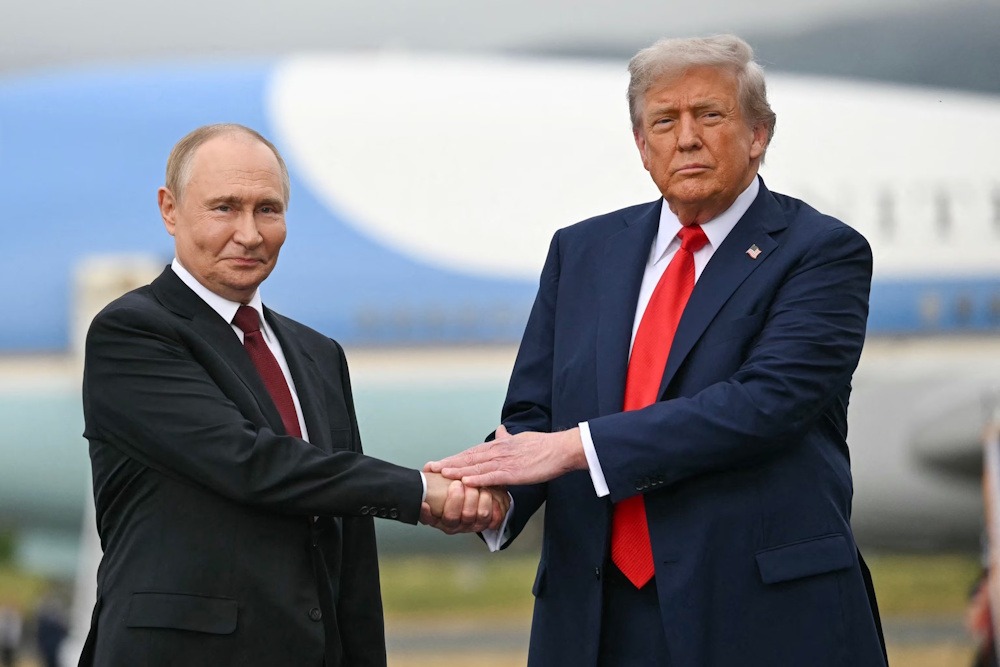
As the New START treaty comes to an end, there are currently no legally binding restrictions on the quantity of nuclear weapons that the US and Russia are permitted to deploy. On-site inspections and mandatory data sharing between the two sides have also been eliminated. This increases the likelihood of misinterpretation and error during a period of intensified geopolitical strain. The US and Russia are said to jointly hold approximately 85 percent of the global nuclear warheads. UN Secretary-General António Guterres has cautioned that the expiration signifies a “grave moment” for international peace and security. “For the first time in more than half a century, we face a world without any binding limits on the strategic nuclear arsenals” of the two countries, he said. US President Donald Trump has expressed his desire for a new and improved nuclear arms agreement rather than extending New START. He has contended that any forthcoming treaty ought to encompass additional nuclear-armed nations, especially China, whose stockpile is on the rise.
On February 4, Russia’s Foreign Ministry stated that President Vladimir Putin had publicly proposed to restart discussions on the treaty in September of the previous year, but asserted that the US did not provide a clear response. Moscow characterized Washington’s approach as “erroneous and regrettable”. China’s Foreign Ministry expressed that the expiration was “regrettable” and called on the US to reinitiate dialogue with Russia regarding “strategic stability”. It cautioned that the oversight could adversely impact the global nuclear arms control framework and the international nuclear order.