China’s oil investment may change global commerce and supply
There are few things that sellers in financial markets appreciate more than a government put. A scenario in which a dominant state actor implicitly commits to purchasing whenever prices decline significantly, akin to the put contracts utilized by options traders, has the potential to mitigate risk for an extended period. The “Greenspan put” supported equity markets from the 1980s to the 2000s, while the “Biden put” sustained crude for two years until last November. China’s actions in the oil market have been drawing parallels to similar occurrences. The largest importer has been accumulating hydrocarbons, even though its own consumption seems to be reaching a peak. This is assisting the global community in navigating a surge in supply, as the Organization of the Petroleum Exporting Countries lifts quota restrictions that have been in place since 2022. Last month, Javier Blas presented six theories regarding the current situation. Considering the pivotal role of China in oil markets by 2025, there are numerous other speculations circulating. Here are three additional explanations that merit consideration.
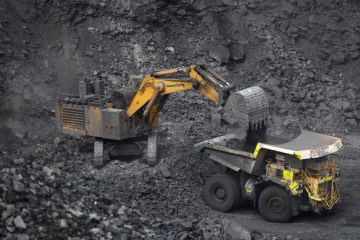
Opec’s supply increase is a precise maneuver aimed at its most formidable competitors: American oil producers. In the Middle East, opportunities for profit exist at low costs, whereas shale production in the US faces challenges when prices dip below $60, a trend we are currently observing. The Dallas Fed’s latest survey of the energy industry reveals a starkly pessimistic outlook. “We have begun the twilight of shale,” one anonymous executive stated to the bank. “Those who can are running for the exits,” wrote another. China faces a comparable issue. In recent years, Beijing has urged state-owned producers to invest in more challenging fields to lessen reliance on imports. That spending is now yielding results — from a 10-kilometer (6.2 mile) deep well in the deserts of Xinjiang province to a 1.15 billion-barrel shale reserve announced last month at the renowned Daqing field northeast of Beijing. It has not been inexpensive, however. At PetroChina Co., which represents over half of the output, the expense associated with developing and extracting new reserves has escalated to a shale-style $60 a barrel in recent years, as per data. Major fields such as Daqing are experiencing aging after decades of operation, compelling PetroChina and its state-owned counterparts to increasingly tap into tight deposits reminiscent of those utilized by Texan frackers.
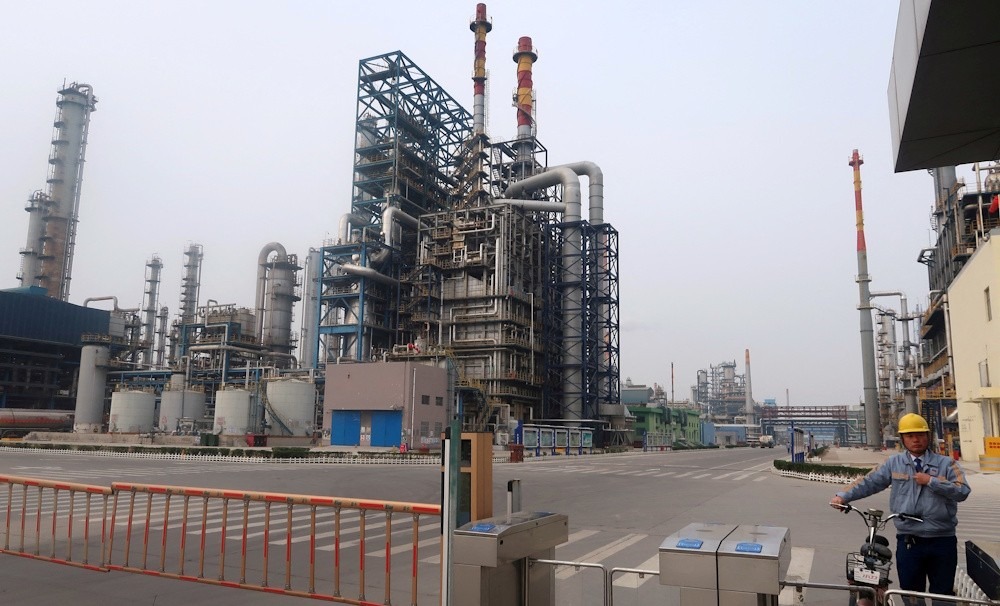
For the oil-rich US, a collapse in domestic production is an embarrassment, yet it is hardly an emergency. In China, where approximately 70% of petroleum is imported, this situation presents a significant strategic vulnerability, particularly in light of the current geopolitical tensions. Maintaining elevated prices and ensuring the profitability of state oil companies is a matter of national security. Beijing aims to support more than just petroleum producers. Since 2022, manufacturers have played a crucial role in preventing the economy from collapsing due to the housing sector’s downturn, driven by the global demand for China’s exports. The shift has not been aided by the reaction of the US, and to a lesser degree other developed nations, who have expressed alarm at China’s industrial influence, leading to the imposition of tariffs and a rejection of its products as a countermeasure. Sales have been thriving for one specific group of nations: oil producers. China’s exports to the Organisation for Economic Co-operation and Development, the club for rich democracies, fell about $75 billion between 2021 and 2024 — but those to the OPEC+ group of oil exporters increased by more than twice that amount, as Saudis hoovered up solar panels and lithium-ion batteries and Emiratis bought smartphones and BYD Co. electric cars. The $48 billion rise in sales to Russia was almost sufficient to counterbalance the $52 billion drop in sales to the US. Wealthy Gulf oil producers extend loans to countries like Pakistan and Egypt to ensure their continued purchase of petroleum. In a similar vein, Beijing anticipates that rising crude prices will support Gulf emirates and enhance its own trade figures. “China has a huge incentive to keep oil prices up,” oil market analyst Phil Verleger noted recently. “In doing so, it bolsters the income of nations that depend on its exports.” China faces a significant shortage of crude oil; however, it boasts an abundance of processing plants, having surpassed the US last year to emerge as the world’s largest refiner by capacity.
Refiners maximize their profits during periods of crude oversupply, enabling them to reduce their raw material costs while maintaining higher prices for their products, such as gasoline and diesel. Deceiving your suppliers to create an oversupply is merely a shrewd business strategy. China’s refineries stand out as some of the largest, newest, and most complex in the world, positioning them effectively to navigate turbulent times, particularly as the global landscape shifts from road fuel to plastics, chemicals, and jet kerosene. If Beijing ceases its stockpiling and the existing crude oversupply worsens amid falling consumption, the beneficiaries in the ensuing turmoil will be the major new refineries acquiring inexpensive Middle Eastern (and sanctioned Russian, Iranian, and Venezuelan) oil. In other words, China Inc. Older plants with elevated costs and diminished adaptability, especially those located in Europe, will confront a dire situation. That is a concerning possibility. If you believe the world has been concerned in recent years about China gaining dominance over clean energy supply chains, brace yourself for the same anxieties to arise regarding oil.