China’s Factory Activity Hits Record Low in November
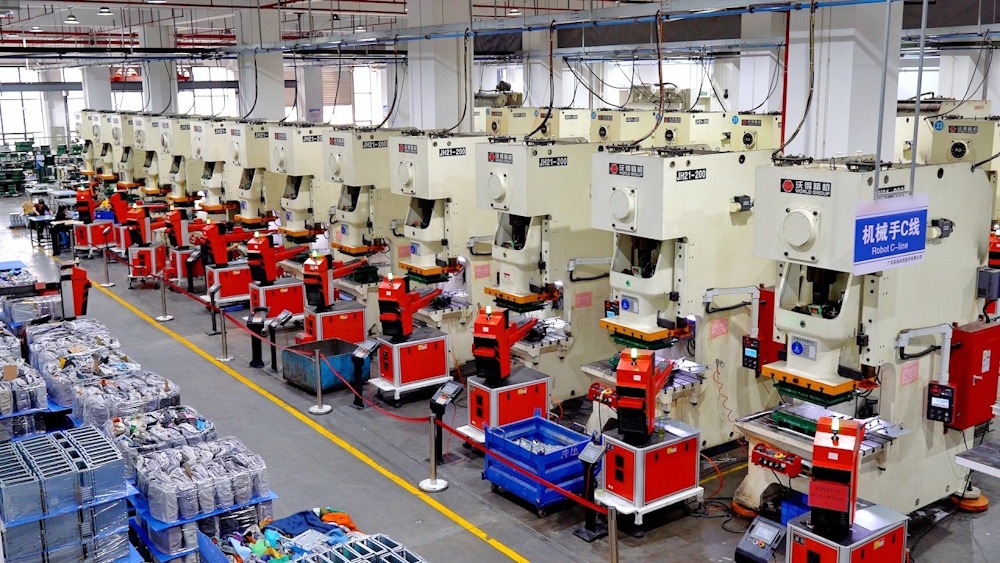
In November, China’s factory activity showed signs of improvement yet continued to be in contraction, marking a record streak of declines as the nation’s economic slowdown intensifies. The official manufacturing purchasing managers’ index stood at 49.2, continuing to remain below the pivotal 50 mark that delineates growth from contraction for the eighth consecutive month. The median estimate stood at 49.4. The non-manufacturing measure of activity in construction and services stood at 49.5, following a slight increase to 50.1 in October, according to the reports on Sunday. The index experienced its first contraction in nearly three years, influenced by a downturn in the real estate and residential services sectors. The readings provide an initial insight into the performance of the world’s second-largest economy in November, following months of global trade challenges and an extraordinary drop in investment.
In the current quarter, industrial production experienced its least significant increase since the beginning of the year, while exports saw an unexpected decline, as global demand was unable to compensate for the decrease in shipments to the US. However, tensions with the US have subsided following a temporary truce last month, which came after a meeting in South Korea between Presidents Donald Trump and Xi Jinping. Key details of the deal, including questions over Chinese shipments of rare earths, remain under negotiation, highlighting the fragility of the agreement. A recent diplomatic spat with Japan has intensified trade uncertainty, as China considers potential economic countermeasures. In addition to geopolitical risks, the persistent weakness in domestic demand continues to overshadow the outlook for Chinese factories. In October, growth in retail sales experienced a slowdown for the fifth consecutive month, marking the longest streak of this kind since the nation closed shops due to the Covid pandemic over four years ago.
The recent downturn in the economy does not imply that further stimulus measures are being considered. Chinese policymakers are not in a hurry to take action, as their annual growth target of approximately 5% for this year appears to be attainable. Since late September, China has injected an additional stimulus of 1 trillion yuan ($141 billion). This includes unused bond quotas for provinces aimed at expanding investment and repaying arrears owed to companies, along with new funding for policy banks to encourage investment. As we look ahead to the next five years, Beijing has unequivocally stated its intention to maintain technology and manufacturing as its foremost priorities, even while committing to “significantly” enhance the role of consumption within its economy. Net exports accounted for almost one-third of China’s growth this year.
China’s economic growth slowed last quarter, marking the slowest pace in a year. Analysts anticipate a continued slowdown, predicting the weakest performance this quarter since the last three months of 2022, a period when the nation was approaching the conclusion of its Covid Zero lockdowns.