China’s Exports Rise 5.9% in November, US Shipments Plunge 29%
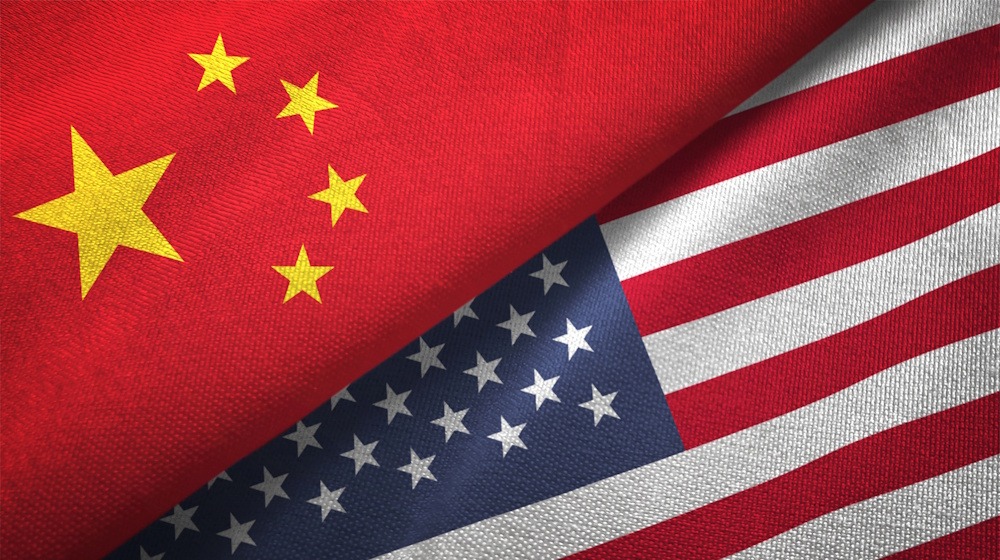
In November, China’s exports experienced a rebound, recovering from an unexpected contraction in the previous month. However, shipments to the United States saw a significant decline, dropping nearly 29 percent compared to a year earlier, marking the eighth consecutive month of double-digit decreases. In November, overall exports from China increased by 5.9 per cent compared to the previous year, reaching $330.3 billion in dollar terms, according to customs data released on Monday. This figure surpassed economists’ expectations. That represented an enhancement from a 1.1 percent contraction in October. Despite a decline in exports from China to the US for much of the year, there has been a notable increase in shipments to other regions, such as Southeast Asia, Africa, and Latin America.
In November, China’s imports rose by 1.9 per cent, surpassing the 1 per cent growth recorded in October. This increase comes despite the ongoing challenges posed by a persistent downturn in the property sector, which continues to impact consumer spending and business investment. A year-long trade truce between China and the US was established during a meeting between US President Donald Trump and Chinese leader Xi Jinping in late October in South Korea. The US has reduced its tariffs on China, while China has committed to stopping its export controls concerning rare earths. Economists Lynn Song and Deepali Bhargava noted in a report, “While the trade truce and the US’s tariff reductions should be a positive for Chinese exports, we are now entering a period of unfavorable base effects,” referencing the robust growth in exports that occurred prior to US President Donald Trump’s significant tariff increases following his return to the White House. This is expected to maintain a moderate pace of trade growth.
Last month, China’s factory activity contracted for an eighth consecutive month, as indicated by an official survey. Economists noted that it remains too soon to ascertain whether there is a genuine rebound in external demand following the US-China trade truce. Economists generally anticipate that China will largely achieve its economic growth target of approximately 5 per cent for this year, as exports continue to perform robustly. Chinese leaders have articulated a commitment to advanced manufacturing for the upcoming five years after a significant meeting held in October. This month’s annual economic planning meeting is anticipated to provide insights into the specifics of those plans. “A stable global trade environment is not likely to last long,” said Chi Lo “as China-US relations remain in a stalemate despite their temporary trade truce.”
Nevertheless, certain economists maintain that China is poised to further increase its export market share in the years ahead. Morgan Stanley predicts that by 2030, China’s market share in global exports will reach 16.5 percent, an increase from approximately 15 percent currently. This growth is driven by its advantages in advanced manufacturing and rapidly expanding sectors, including electric vehicles, robotics, and batteries. “Despite persistent trade tensions, continued protectionism, and G20 economies taking up active industrial policies, we believe China will gain more share in the global goods export market,” Chetan Ahya said in a recent note.