China’s EV Profit Woes Spark Market Worries for 2026
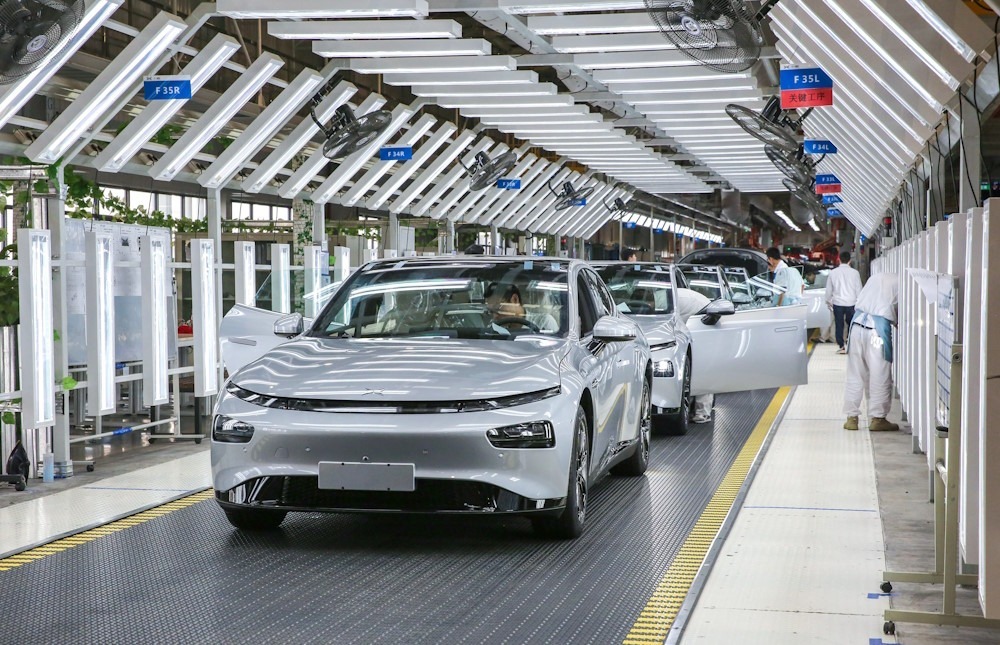
Investors in Chinese electric vehicle stocks were anticipating a robust earnings season to deliver a new boost. Instead, disappointing results have heightened concerns regarding what the future may hold. The sector was experiencing significant momentum — with Xpeng Inc.’s year-to-date gain surpassing 130 per cent earlier this month — driven by a rise in global risk appetite and a more favorable outlook for Chinese assets. However, indications of strain at well-established companies such as BYD Co. have sparked fresh inquiries regarding the industry’s profitability following its swift growth. Attention is now shifting to how Chinese EV makers will fare next year, as domestic demand is anticipated to soften with the decline of government policy support. Earnings may face additional challenges as costs are expected to increase and consumer discounts are likely to persist. “We expect the demand environment in 1Q 2026 to be challenging, particularly after nearly two years of national trade-in and scrappage policies” that boosted EV purchases, said Bing Yuan, a fund manager at Edmond de Rothschild Asset Management. She added that competition may intensify, potentially hurting margins into next year.
Traders swiftly shifted their stance on the top-performing stocks as the results did not meet expectations. Xpeng shares fell by 10 percent in Hong Kong following the company’s announcement of ongoing losses and a forecast that disappointed investors. Zhejiang Leapmotor Technology Co. reached its lowest point since April, as its profit fell short of 65 percent of the analyst estimate, despite nearly doubling its sales. Li Auto Inc. and Nio Inc. were among those providing fourth-quarter revenue and vehicle delivery forecasts that fell short of market expectations. The projections indicate a lackluster consumer demand during a crucial time for automakers aiming to meet their annual sales goals. Analysts had anticipated an increase in deliveries as the year comes to a close, considering that taxes on EV purchases will begin to reapply in 2026 after a period of exemptions. Next year is expected to bring further challenges, as Bloomberg Intelligence projects that the growth of China’s new energy vehicles will decelerate to 13 percent, a significant drop from the 27 percent growth observed this year.
Geely Automobile Holdings Ltd. has introduced a rebate of up to 15,000 yuan ($2119) this month to compensate for the reduction of tax breaks. Other manufacturers have also taken similar actions, including Li Auto and Xiaomi Corp. “Such offers combined with rising battery costs will be headwinds for margins,” said Daisy Li. Earnings pressure will persist, even as companies begin to shift away from intense price wars, influenced by Beijing’s “anti-involution” campaign, she noted. “Manufacturers of lower-priced vehicles like BYD, Geely and Leapmotor are likely better-positioned for next year’s market downturn,” said Xiao Feng. “We continue to see a clear downgrading trend, with buyers who once chose mid- to high-end models now shifting toward mass-market cars,” said Feng. He added that such models also sell well outside of China.
Some makers are indeed expanding into overseas markets where they can sell products at higher prices to enhance their margins. In the third quarter, BYD’s overseas sales volume more than doubled compared to the previous year, driven by strong demand in Europe and Latin America. Geely anticipates that sales volume outside China will increase by as much as 80 per cent next year. Others are exploring avenues beyond electric vehicles for future growth. Xpeng intends to commence mass production of humanoid robots by the conclusion of 2026, whereas Li Auto seeks to evolve vehicles into “embodied AI” robots, as stated in their earnings briefings. Such efforts may require time to yield results. Currently, the outlook for China’s EV segment appears uncertain. “Investors would be reluctant to increase investments in this sector without policy clarity for 2026,” UBS Securities Asia Ltd. analysts including Paul Gong noted in a report. “We remain vigilant regarding the sector, particularly the outperformers during the stimulus cycle.”