China Eases Gallium, Germanium Export curbs to US as Trade War Melts
On Sunday, China’s Ministry of Commerce declared the lifting of its ban on the approval of exports of dual-use items associated with gallium, germanium, antimony, and super-hard materials to the United States, as reported by Reuters. The suspension will remain in effect until November 27, 2026, alleviating one of the most contentious issues in the US–China technology and trade dispute. The export ban, implemented in December 2024, was Beijing’s reaction to Washington’s broadened export controls on advanced chips and manufacturing equipment. The measures were designed to restrict China’s access to technologies utilized in semiconductors, artificial intelligence, and defense. China responded by limiting exports of essential minerals, such as gallium, germanium, and graphite, which are crucial for chip manufacturing and electric vehicles.
On Friday, China also suspended additional restrictions that were implemented on October 9 concerning the export of rare earth and lithium battery materials. The decision comes after a meeting between US President Donald Trump and Chinese President Xi Jinping in Busan, South Korea, during which both parties reached an agreement on a one-year trade truce. Under the agreement, Beijing pledged to relax export restrictions, while Washington consented to lower specific tariffs. Gallium and germanium serve as essential raw materials in the production of semiconductors, fibre optics, solar panels, and defence systems. According to the reports, China’s dominance in their production is roughly 98 per cent of global primary gallium supply.
The export ban compelled American firms to explore alternative suppliers in Europe and Southeast Asia. The Busan summit between Trump and Xi signified a cautious thaw in the prolonged tensions surrounding trade, technology, and geopolitics. Under the terms of the agreement, the US committed to decreasing the ‘fentanyl-linked’ tariff and reducing baseline tariffs on specific Chinese imports. In return, Beijing consented to ease export restrictions on gallium, germanium, and other strategic minerals.
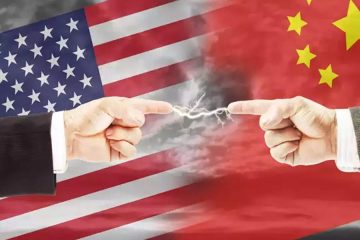
The easing of these export bans marks a significant moment in the gradual stabilization of US–China relations, particularly within the technology and resource sectors. Analysts suggest the move could improve supply chain resilience for global industries reliant on these critical materials, including electronics and electric vehicles. However, both sides remain cautious, as deep-rooted geopolitical and security concerns continue to influence bilateral trade dynamics despite the temporary truce.