PC companies HP, Dell, and others want Chinese Memory Chips
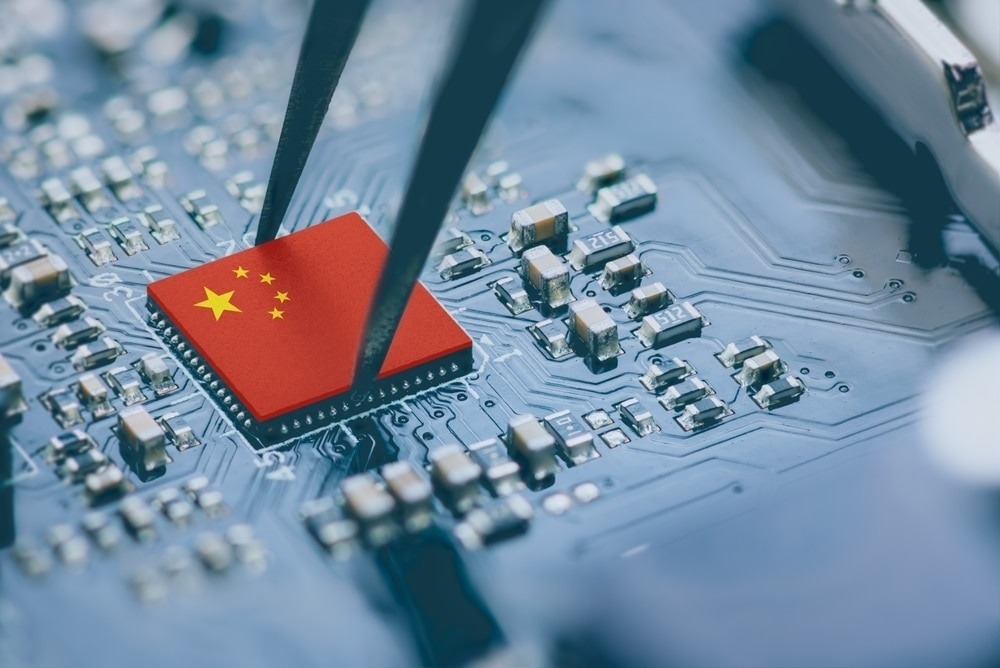
A prolonged shortage of memory chips is compelling some of the world’s largest personal computer manufacturers to reconsider established supply strategies. As prices continue to rise and supplies are increasingly redirected towards artificial intelligence hardware, companies like HP, Dell, Acer, and Asus are reportedly looking into Chinese memory chip suppliers, according to reports. HP has initiated testing of memory products from ChangXin Memory Technologies, the largest DRAM manufacturer in China, as part of its strategy to expand its supplier network amid ongoing global memory supply constraints. HP intends to keep a vigilant eye on market conditions until approximately mid-2026. If shortages persist and prices continue to rise, the company may begin utilizing CXMT’s chips for products marketed beyond the United States. This would signify HP’s inaugural instance of procuring DRAM from a Chinese supplier. Dell is adopting a comparable strategy. The company has also begun assessing CXMT’s memory products, prompted by worries that DRAM prices may stay high until 2026, according to the report. Executives from the industry referenced in the report indicated that the ongoing shortage is primarily a result of leading memory manufacturers — Micron, Samsung, and SK Hynix — directing an increasing portion of their capacity towards AI-centric clients like Nvidia, Google, and Amazon. Consequently, manufacturers of consumer electronics, who generally work with narrower profit margins, are facing increased challenges in obtaining cost-effective supplies. A supply-chain executive referred to Chinese memory firms as a possible “backup option” as traditional suppliers focus on fulfilling higher-value AI orders.
The memory crunch is also transforming the dynamics between PC brands and their manufacturing partners. Chinese electronics contract manufacturers are being requested to take on a more significant role in sourcing essential components, such as memory chips. Acer, recognized as the sixth-largest PC manufacturer globally, has progressively depended on Chinese collaborators for design and production in order to manage expenses. According to sources cited in the report, Acer would consider utilizing memory chips produced in China, provided that its manufacturing partners acquire them. Acer chairman Jason Chen recently stated, “any new capacity coming online in China could help ease pressure in the memory market,” indicating a willingness to consider alternative suppliers. Asustek, recognized as the fifth-largest PC company in the world, has requested its Chinese production partners to investigate memory sourcing alternatives for specific notebook projects.
Historically, PC brands maintained strict oversight over the procurement of essential components like processors, displays, and memory, whereas contract manufacturers concentrated on assembly and less vital parts. The model is currently undergoing evolution. As memory shortages continue to escalate, brands are turning to their manufacturing partners’ local networks to pinpoint new suppliers. According to a report, one executive noted that companies are increasingly open to allowing partners to utilize their own supply-chain connections to obtain memory components. Chinese memory makers are currently shaping global markets. CXMT’s DRAM chips find extensive application among Chinese smartphone brands like Huawei, Xiaomi, Oppo, and Vivo, in addition to PC manufacturer Lenovo and cloud service providers such as Alibaba Cloud and ByteDance. Yangtze Memory Technologies Corp., the foremost NAND manufacturer in China, has successfully increased its market share even while facing restrictions from a US trade blacklist. The company has introduced its own solid-state drive products in Taiwan and has broadened its sales reach throughout Southeast Asia.
Counterpoint Research reports that CXMT currently commands approximately 5 percent of the global DRAM market by revenue, while Yangtze Memory represents around 10 percent of the NAND market. Both companies are increasing their production capacity. Nevertheless, certain industry executives continue to exercise caution. A gaming PC executive remarked, “Qualifying new memory suppliers typically takes around six months, limiting short-term relief.” He stated that a significant portion of China’s new memory output is expected to be allocated to domestic companies like Huawei and Lenovo, resulting in a constrained supply for international brands, according to the report.