Alibaba Unveils AI Glasses in Unique Consumer Tech Move
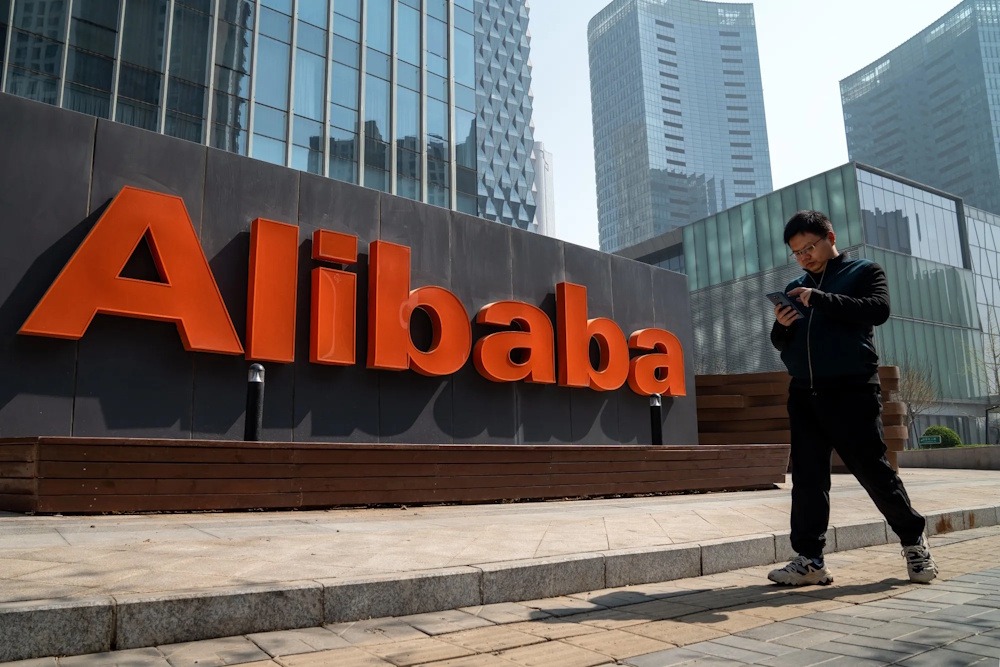
Alibaba Group Holding Ltd. has commenced sales of its inaugural smart glasses, which are driven by its Qwen AI models, signifying a notable entry into the realm of consumer hardware. The new Quark S1 glasses feature integrated translucent displays that overlay contextual information onto the user’s perspective of their environment. Featuring cameras, bone conduction microphones, and swappable batteries designed to last 24 hours, this innovative product seeks to provide the Chinese market with an alternative similar to Meta Platforms Inc.’s Ray-Ban smart glasses. It signifies a continuation of Alibaba’s bold transformation into a business centered around artificial intelligence, following the launch of its Qwen app last week that consolidated various consumer AI services into a single program and swiftly garnered over 10 million users. Eddie Wu highlighted “exceptional user retention,” as Alibaba integrated the Qwen suite into its Quark desktop browser and expanded its reach through the Quark wearables lineup.
In addition to the S1, priced at 3,799 yuan ($537), Alibaba will present a Quark G1 model available for 1,899 yuan, which does not feature micro-OLED displays. Both devices utilize Qualcomm’s Snapdragon AR1 platform, a chip designed specifically for augmented-reality glasses with neural processing units dedicated to AI tasks. The S1 can be purchased immediately through Alibaba’s Tmall, JD.com, ByteDance’s Douyin, and more than 600 stores across 82 cities in China, with international versions planned for next year on platforms like AliExpress. Smart glasses, especially AI-enabled ones with features such as transcription, have grown rapidly in China, led by startups like Even Realities. IDC reported 1.6 million shipments of smart glasses in China in the year to September, with Xiaomi accounting for about one-third, rising to more than 2 million units when models with built-in displays are included.
“Alibaba’s entry will undoubtedly bring new dynamics to the competitive landscape of China’s smart eyewear market,” said Sophie Pan. Meta’s $799 Ray-Ban Display pair recently introduced a more ambitious approach with integrated screens and a wristband for gesture controls, signaling how quickly the category is evolving. Although Meta’s top model is larger and heavier, it sets a template for future development. Alibaba is leveraging the strengths of its broader ecosystem with the Quark hardware, integrating access to Taobao, the Fliggy travel-booking platform, and Alipay payments, while collaborating with companies such as NetEase for Cloud Music and Tencent for QQ Music.
By blending hardware innovation with its expanding AI ecosystem, Alibaba signals an aggressive push into consumer technology amid a rapidly growing but highly competitive smart-glasses market. The company aims to capture a larger share of China’s accelerating demand for AI-powered wearables while positioning itself against global rivals. As China’s smart-glasses market surpasses 2 million annual units and competition intensifies from Meta, Xiaomi, and local startups, Alibaba’s Quark lineup marks a strategic bid to shape the next phase of augmented-reality consumer adoption.