Tesla Teams Up with Samsung for Chip Supply, Elon Musk Reveals
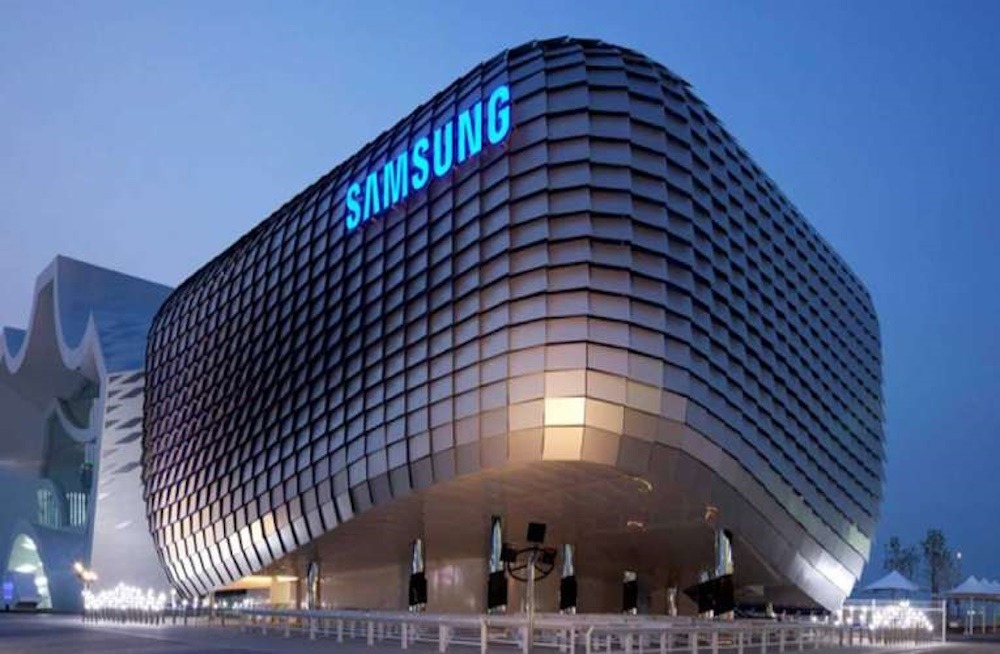
Tesla CEO Elon Musk announced on Monday that the US automaker has entered into an agreement to procure chips from Samsung Electronics, a strategic decision anticipated to enhance the South Korean tech giant’s struggling contract manufacturing sector. On Saturday, Samsung revealed a substantial $16.5 billion agreement for chip supply with a prominent global entity, though the identity of the client remains undisclosed.
The customer has requested confidentiality regarding the specifics of the agreement, which is set to continue until the conclusion of 2033. According to three sources familiar with the situation, Tesla was identified as the customer for the deal. The agreement emerges as Samsung encounters increasing challenges in the competition to manufacture artificial intelligence chips, where it lags behind competitors like TSMC and SK Hynix. This delay has significantly impacted its profitability and stock valuation.
Samsung, recognized as the leading manufacturer of memory chips globally, also produces logic chips tailored to customer specifications via its foundry operations. Pak Yuak, an analyst at Kiwoom Securities, indicated that the recent agreement is expected to mitigate losses within Samsung’s foundry division, which he approximated to have surpassed 5 trillion won in the first half of the year. Analysts indicate that Samsung has faced challenges due to the loss of significant clients to TSMC in the advanced chip sector. TSMC counts Apple, Nvidia, and Qualcomm among its clientele.
The agreement between Samsung and Tesla holds considerable importance for South Korea, which is pursuing partnerships with the United States in the sectors of semiconductors and shipbuilding. This comes as the nation makes final attempts to negotiate a trade deal aimed at eliminating or reducing the potential imposition of 25 percent tariffs by the US. The implications of the order on Samsung’s strategy to commence production at its new Texas facility remain uncertain, particularly given the delays stemming from challenges in securing significant clientele.
Samsung is facing challenges in enhancing production yields of its latest 2-nanometer technology, and the order is expected to not include this advanced technology, according to Lee Min-hee, an analyst at BNK Investment & Securities. Samsung has experienced a decline in market share relative to TSMC in the realm of contract manufacturing, highlighting the technological hurdles the company must overcome in order to excel in advanced chip manufacturing and draw in clients such as Apple and Nvidia, analysts noted.