Tesla lost brand loyalty when Musk backed Trump
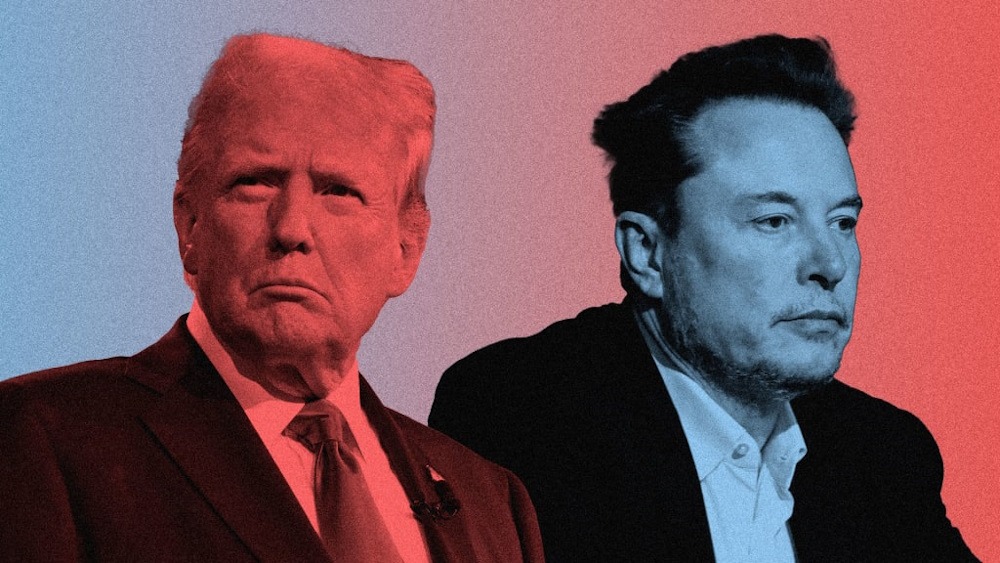
Tesla, which previously boasted the highest rate of repeat US customers among major automotive brands, has seen a significant decline in customer loyalty following CEO Elon Musk’s endorsement of President Donald Trump last summer. According to an S&P analysis of vehicle-registration data across all 50 states, the data reveals that Tesla customer loyalty reached its highest point in June 2024. At that time, 73 percent of households owning a Tesla and in the market for a new car opted to purchase another Tesla.
The data revealed a significant decline in the industry-leading brand loyalty rate beginning in July, coinciding with Musk’s endorsement of Trump after an assassination attempt on the Republican nominee in Pennsylvania. The rate reached its lowest point at 49.9 percent last March, slightly under the industry average, following Musk’s initiation of the Trump budget-cutting Department of Government Efficiency in January, which led to the dismissal of thousands of government employees. Tesla’s US loyalty rate has rebounded to 57.4 percent in May, according to the latest S&P data. This figure places Tesla above the industry average and on par with Toyota, although it still trails behind Chevrolet and Ford.
S&P analyst Tom Libby described the situation as “unprecedented,” noting the rapid decline of the runaway leader in customer loyalty to industry-average levels. “I’ve never seen this rapid of a decline in such a short period of time,” he said. Analysts have noted that the recent decline in Tesla’s brand loyalty coincides with the CEO’s political engagements, which may have alienated the environmentally conscious customers that form the backbone of the electric vehicle pioneer’s market. “If they have Democratic leanings, then perhaps they consider other brands in addition to Tesla,” said Seth Goldstein, an analyst at Morningstar.
Tesla’s aging model lineup is encountering increased competition from a variety of electric vehicles produced by established automakers such as General Motors, Hyundai, and BMW. The only new model Tesla has introduced since 2020, the triangular Cybertruck, has struggled to meet expectations, despite Musk’s prediction of “hundreds of thousands of annual sales.” During an earnings call in April, Tesla CFO Vaibhav Taneja highlighted “the negative impact of vandalism and unwarranted hostility towards our brand and people.” He also noted that the company experienced “several weeks of lost production” while retooling factories for a refreshed version of its best-selling Model Y. Musk stated during the April call that “absent macro issues, we don’t see any reduction in demand.”
Tesla’s vehicle sales are experiencing a global downturn, with a reported decline of 8 percent in the United States during the first five months of 2025, as stated by S&P. Sales in Europe experienced a significant decline of 33 per cent during the first half of the year, amid a particularly intense public backlash against Musk’s political activities. Garrett Nelson, an analyst at CFRA Research, remarked that Musk’s heightened political activism was “very bad timing” for Tesla, as it coincided with the company’s struggle against intensified competition from Chinese EV manufacturers and other established automakers. His primary concerns regarding Tesla include the company’s loss of market share and “what can be done to repair the brand damage.”
LOYALTY NOSEDIVE
Tesla continues to hold the title of the US electric-vehicle sales leader; however, its dominance has begun to wane. This shift comes as Musk engaged in political matters last year and redirected Tesla’s focus towards the development of self-driving technology, rather than prioritizing the creation of new affordable models for human drivers. Customer loyalty stands as a critical metric in the auto industry, with experts noting that “it is much more expensive to take new customers from competitors than to retain existing ones,” according to S&P’s Libby. In contrast to survey data, this approach tracks actual vehicle transactions, providing insights into how consumers shift between brands and models. Data indicates that from the fourth quarter of 2021 to the third quarter of the previous year, over 60 percent of households that owned a Tesla opted to purchase another Tesla for their subsequent vehicle acquisition. During the period, Ford was the only other brand to achieve a quarterly loyalty rate surpassing 60 percent, and it did so just once.
CUSTOMER DEFECTIONS
S&P data delves into another facet of the automotive market: identifying which brands and models are attracting customers from competitors, and which are experiencing losses. Until recently, Tesla occupied a distinct position compared to other automotive brands regarding this metric. In the four years leading up to July 2024, Tesla consistently gained nearly five new households for every one it lost to competing brands. In a striking comparison, no other brand from a major automaker came close to the performance of the leading brand. Hyundai’s luxury Genesis brand emerged as the next best, managing to acquire an average of 2.8 households for every one it lost. Following closely were Kia and Hyundai, which acquired an average of 1.5 and 1.4 households, respectively, for every one they lost. During that period, Ford, Toyota, and Honda experienced a net loss of households, with more households leaving than joining their ranks.
Tesla’s average inflow of customers began to decline in July 2024, coinciding with a drop in its loyalty rate. Since February, Tesla has been acquiring fewer than two households for every one it loses to the rest of the industry, marking its lowest level ever, according to the data. “The data shows clearly that the net migration to Tesla is slowing,” Libby said. According to the data, brands such as Rivian, Polestar, Porsche, and Cadillac are now attracting more customers from Tesla than they are losing to the electric vehicle giant. Brian Mulberry, a client portfolio manager at Tesla investor Zacks Investment Management, expressed confidence in Tesla’s long-term earnings. He stated, “I expect enormous profits from its plans to operate robotaxis and license self-driving technology to other automakers,” indicating a positive outlook for the company’s future financial performance. Tesla initiated a limited trial of its robotaxi service in Austin this past June, offering rides exclusively to selected fans and internet personalities. However, the service remains unavailable to the general public. “If Tesla succeeds in expanding the technology,” Mulberry said, “there’s a case to be made that Tesla doesn’t need to sell cars and trucks anymore.”