The Fed says it can’t easily cure an Economic Problem it caused
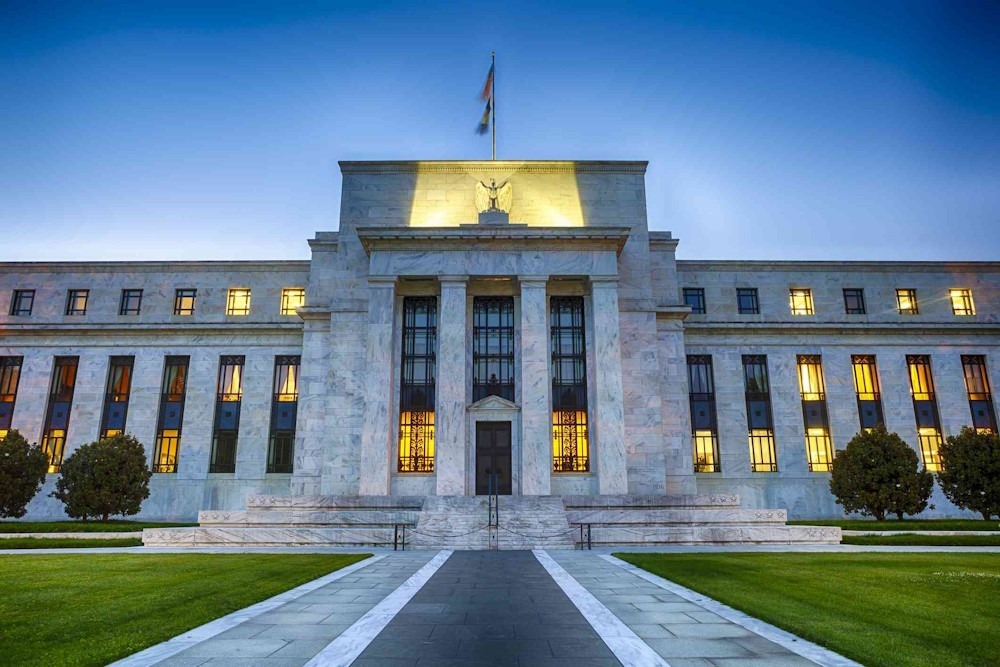
The Federal Reserve’s policy decisions in recent years have intensified economic inequality in America, and some of the central bank’s policymakers acknowledge that it’s not a problem they can easily resolve. During the pandemic, millions of Americans, particularly the wealthiest, capitalized on the ultra-low interest rates as the Fed relaxed monetary policy to support the economy. According to Fannie Mae, borrowing costs have risen significantly beyond the levels seen during the pandemic, yet approximately 20% of homeowners continue to benefit from mortgage rates below 3%. Those households not only benefit from lower mortgage payments, but they have also been building wealth through homeownership. Meanwhile, the US stock market is approaching yet another year of substantial gains, propelled by ongoing investments in AI, signifying an impressive three-year bull market. Low-income households, characterized by a lower propensity to invest in stocks and a higher likelihood of being renters, have been excluded from the wealth effects observed over the past five years. The increase in their wages lagged behind that of the wealthiest throughout 2025, as reported by the Federal Reserve Bank of Atlanta.
Affordability has become a significant issue for numerous Americans, as indicated by various polls and surveys, particularly among those with lower incomes. It has now emerged as a significant focus for politicians, including President Donald Trump, who minimized those concerns in his recent address to the nation. Federal officials, entrusted with the stewardship of the American economy, have acknowledged their challenges in effectively addressing what economists describe as the “K-shaped economy. When I’ve talked to retailers and CEOs who cater to the top third of the income distribution, everything’s great … it’s the lower half of the income distribution that is staring at this going, ‘What happened?’” On December 16, Fed Governor Christopher Waller spoke. Other Fed policymakers, including Chair Jerome Powell, have recognized the growing economic inequality in America this year. “The best thing we can do is try to get the labor market back on its feet, get the economy kind of growing better, and hopefully the job security and wage gains start catching up,” Waller said. Monetary policy has influenced the differing outcomes for the wealthiest and poorest Americans, though it remains an unintended consequence.
In 2020, the Fed was justified in slashing interest rates to near-zero to support an economy battered by the pandemic. The Fed, assigned by Congress to pursue maximum employment and stable prices, was addressing the pandemic-era business shutdowns that led to a significant rise in unemployment. The Fed maintained rates at ultra-low levels until March 2022, when it commenced an aggressive rate hike to address inflation. By that time, approximately 25% of America’s nearly 85 million homeowners had secured an ultra-low mortgage rate, and only a small number of them have relinquished their favorable rate since then. However, the Fed might have influenced the K-shaped economy significantly earlier. “This is a phenomenon that really started in 2008, with the massive liquidity injections that the Fed did in response to the global financial crisis, which raised stock market values and housing values,” said Oren Klachkin. “Since then, we’ve observed a continual divide between the affluent and the less fortunate, which notably decreased following the pandemic.” Indeed, the wages of the poorest Americans grew rapidly from 2020 through 2023, according to Atlanta Fed data, far outpacing the growth of the wealthiest workers. During that period, employers were in a rush to recruit from a constrained pool of workers. This year marked a departure from that situation. In September, the 12-month moving average of median wage growth for the bottom quarter of US households in the income distribution stood at 3.7%, while the highest earners experienced a growth rate of 4.4%. “Those at the bottom don’t have housing values to help them.” They lack the stock portfolios necessary to assist them. “And it’s harder for them to tap into potential lines of credit,” Klachkin said. “They primarily rely on their earnings to exceed inflation.”
The Fed’s primary mechanism — its key interest rates, which affect borrowing costs throughout the economy — is often described as a blunt instrument. This indicates that it cannot assist particular groups while attempting to stimulate or alleviate pressure on the labor market, which is the current focus of officials. The Fed does not have control over long-term interest rates, which generally follow the yields on longer-dated US Treasury notes, although these bond yields are affected by the same economic data that the Fed evaluates when determining policy. In the last two years, the Fed has reduced its benchmark lending rate by 1.75 points to support the labor market. The expectation is that these rate cuts will serve as a rising tide that elevates all boats. “(The Fed) must continue to bring inflation down.” Anything other than 2% is not an option. “But it matters how you get there,” San Francisco Fed President Mary Daly wrote in a social media post after the Fed’s December decision to lower rates for the third-straight meeting. “This means we cannot let the labor market falter.” Real wage gains arise from prolonged and sustainable expansions. “And the current expansion is still relatively young.” The Fed’s optimal approach to address the K-shaped economy might involve merely safeguarding the labor market from decline, while relying on other factors to enhance employment and wage growth. “For lower-income households, the concern should be about avoiding job losses rather than dealing with more cumulative inflation,” stated Alexander Guiliano. “Unemployment is not something they can necessarily control, but inflation is something they can try to manage in terms of the choices that they make,” he added.