Supreme Court’s Decision Puts Fed Independence on the Line
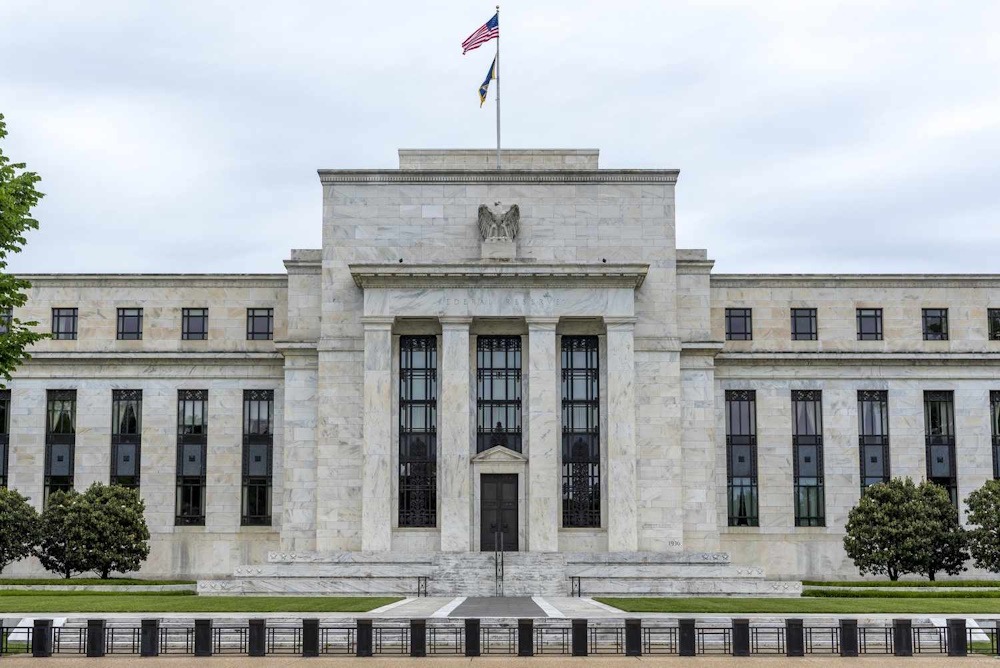
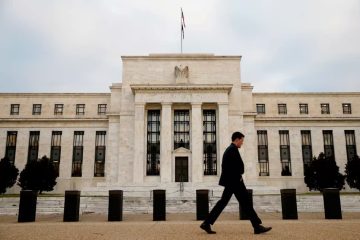
This week, a crucial Supreme Court case regarding presidential power puts at risk the Federal Reserve’s capacity to set interest rates free from political interference, a fundamental aspect of US economic policy. Oral arguments are scheduled for 10 a.m. regarding the case of Fed Governor Lisa Cook, who is contesting President Donald Trump’s effort to oust her from her position on the Fed’s influential Board due to unsubstantiated claims of mortgage fraud. The president stated that Cook’s reporting of two different homes as her primary residence — a practice that can lead to more favorable loan terms — provided sufficient grounds for her dismissal. Cook, who was appointed by then-President Joe Biden and is the first female Black governor to serve on the Board, has denied any wrongdoing. The Justice Department is currently examining the allegations made against Cook, initially brought to light by Trump allies, yet no charges have been filed against her at this time. However, the Federal Reserve Act of 1935 restricts the president’s ability to remove any member of the Fed’s Board except “for cause,” a term that is typically understood to refer to negligence or malfeasance in their duties.
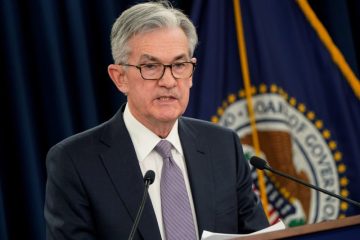
If the court rules in favor of Trump, it could signal a significant threat to the Fed’s independence, heightening concerns about increased political influence over monetary policy and unsettling global financial markets. The White House may find it significantly easier to dismiss a Fed official who holds differing views from the president regarding monetary policy. “The greatest, immediate threat to the Federal Reserve is the Supreme Court. Full stop,” Patrick Harker stated at a central banking forum last week. “If they decide against [Cook], in my mind, independence is gone because every president will use this as an opportunity (to oust officials) forever.” A ruling in Trump’s favor would also provide him with an opportunity to appoint a member to the Fed’s board, granting him yet another nomination this year. Fed Chair Jerome Powell, a co-defendant in Cook’s case, has opted to be present for the oral arguments alongside the Fed’s chief attorney, in what analysts characterize as an atypical display of backing. Treasury Secretary Scott Bessent on Tuesday characterized Powell’s attendance as “a real mistake.”
Cook’s case illustrates the Trump administration’s frustration with its inability to influence interest rates, a significant economic instrument managed by the central bank. Throughout his second term, Trump and his allies have exerted significant pressure on the Fed to expedite the reduction of interest rates. Trump has often criticized Chair Powell, referring to him as “low IQ” and a “numbskull” for not lowering rates to stimulate the economy after increasing them to combat pandemic-era inflation. Powell disclosed last week that he has received a subpoena from the Justice Department regarding his testimony to Congress last year concerning the scale of the Fed’s self-funded $2.5 billion renovation of its headquarters in Washington, DC. In a remarkable video response to the allegations, Powell stated that the DOJ’s action was a pretext. “The threat of criminal charges is a consequence of the Federal Reserve setting interest rates based on our best assessment of what will serve the public, rather than following the preferences of the President,” Powell said in a statement late Sunday. The structure of the Fed is exactly what maintains the independence of monetary policy. The influential rate-setting committee consists of 12 officials, with seven appointed by the president, who serve on the central bank’s Board of Governors for staggered, 14-year terms. The extended terms serve to shield the Fed from immediate political influences. If the court approves Cook’s removal, it would establish a precedent that Trump — and any future president — could exploit to alter the Board and impose lower interest rates, even when such actions are not justified by the economic landscape. The court’s ruling in the Cook case “will carry immense weight when it comes to any president’s ability to shape the structure of the Fed,” Kevin Gordon wrote.
Economists widely agree that a data-dependent Fed making tough decisions on interest rates has served Americans well, unlike the historical alternative: Back in the 1970s and early 1980s, former Fed Chair Arthur Burns, who had close ties with then-President Richard Nixon, notoriously didn’t lower rates with a national election right around the corner, even though there were tell-tale signs of brewing inflation. The Fed’s errors during that time intensified a difficult phase marked by elevated unemployment and soaring inflation. Another significant shift regarding the central bank is on the horizon: Trump is expected to reveal his selection for Fed chair in the coming two weeks. Powell’s term at the helm of the central bank concludes on May 15, while he concurrently holds a position on the Board that extends until 2028. He has not indicated whether he intends to resign from the Fed entirely after his term as chair concludes. It remains uncertain whether Trump intends to retain Fed Governor Stephen Miran in his position, as the role was designated as temporary and is set to expire later this month. The leading candidates for the position of Fed chair are National Economic Council Director Kevin Hassett; former Fed governor Kevin Warsh; Fed Governor Christopher Waller; and BlackRock Global Fixed Income Chief Investment Officer Rick Rieder.