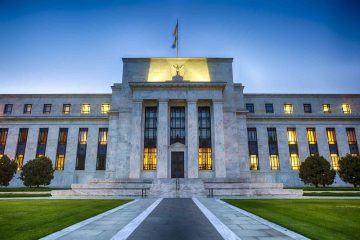
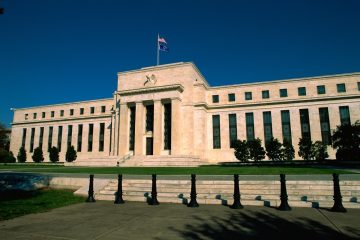
Jerome Powell and the Fed are set to challenge Trump once more
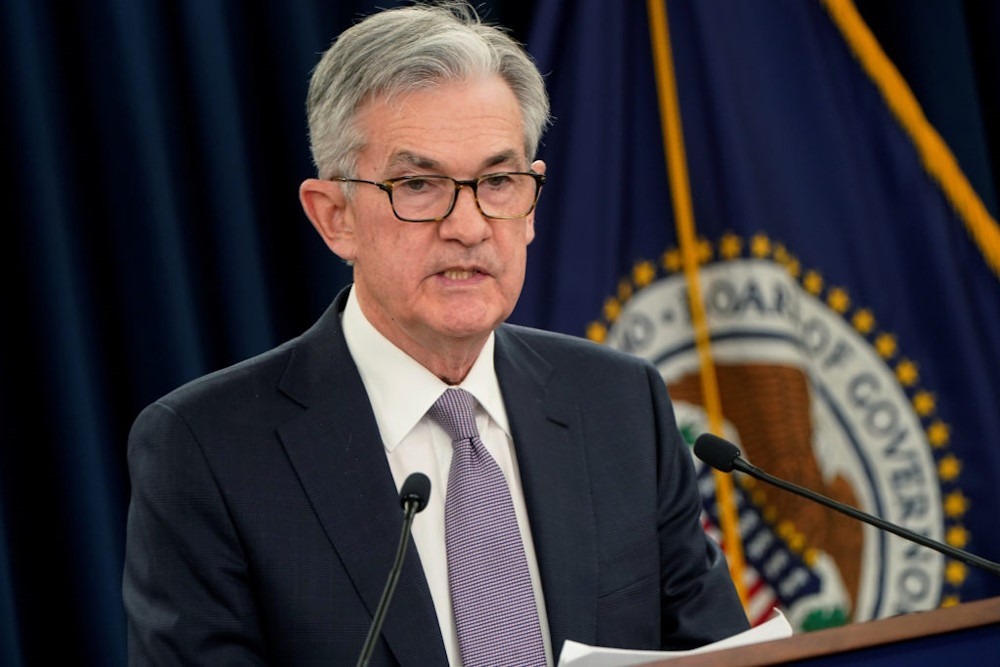
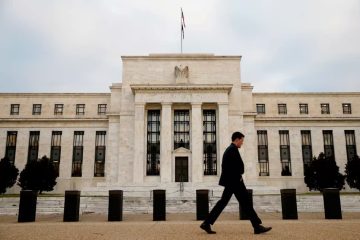
Federal Reserve officials gather this week at a crucial juncture in the US central bank’s 112-year history, as a sequence of significant events highlights their capacity to determine interest rates free from political influence. Officials are anticipated to declare on Wednesday that they will maintain short-term interest rates at their current levels, and may suggest a pause on any rate cuts for the upcoming months. The Fed implemented three consecutive rate cuts late last year, and numerous policymakers have indicated in recent public speeches that they wish to observe the effects of those cuts before contemplating any additional adjustments. The Fed’s autonomy in determining interest rates, based on economic data, continues to be a contentious issue — attracting attention in both public discourse and the courts. Last week, the Supreme Court heard oral arguments in the significant case involving Fed Governor Lisa Cook, who is contesting President Donald Trump’s effort to oust her from her position on the influential board of the central bank due to unsubstantiated claims of mortgage fraud. A week earlier, Chair Jerome Powell released a notable video countering the Trump administration’s persistent pressure campaign, after he disclosed that federal prosecutors are investigating aspects of his congressional testimony from last year that related to an ongoing renovation of the central bank’s Washington, DC, headquarters.
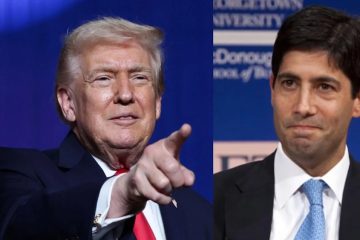
Powell this week presides over his third-to-last meeting as chair, with his term concluding on May 15. Trump may announce Powell’s successor as early as this week. The conservative Justices on the nation’s highest court appeared doubtful regarding the administration’s rationale for dismissing Cook and its desire to prevent her from resuming her position during the ongoing litigation. That included Justice Brett Kavanaugh, who was Trump’s second nominee to the high court. He cautioned that future presidents might interpret a “cause” broadly to dismiss Fed officials with whom they have disagreements, should the Trump v. Cook case establish that precedent. “What goes around comes around,” Kavanaugh told US Solicitor General D. John Sauer, highlighting the potential for a future Democratic president to leverage “trivial or inconsequential or old allegations that are very difficult to disprove” to remove Trump appointees. “Once these tools are unleashed,” Kavanaugh stated, “they’re used by both sides.” In a show of solidarity for the Fed’s independence, both current and former officials were present at the oral arguments, including Fed Governor Michael Barr, former Fed Chair Ben Bernanke, and Powell himself.
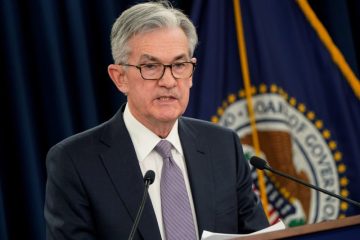
Powell has consistently emphasized that central bank independence is crucial for the stability of any modern economy. However, in his video, he adopted a more assertive tone — while highlighting the danger he perceives from the Trump administration. “The threat of criminal charges is a consequence of the Federal Reserve setting interest rates based on our best assessment of what will serve the public, rather than following the preferences of the President,” Powell stated. “This is about whether the Fed will be able to continue to set interest rates based on evidence and economic conditions—or whether instead monetary policy will be directed by political pressure or intimidation.” It remains uncertain if Powell will provide additional details regarding the administration’s attempts to influence the Fed when he speaks to reporters at the post-meeting news conference at 2:30 p.m. — or if he will stick to his typical strategy of sidestepping direct comments to prevent further escalation. Investors will be paying close attention to any indications regarding the timing of upcoming rate cuts. In December, the median projection among Fed officials indicated that there would be only one rate cut this year. Market, however, anticipates two cuts this year, according to futures, beginning around the summertime. “There isn’t a clear case to cut this year, but we know that the next Fed chair is going to come in leaning dovish, so there’s a decent chance they could get enough folks on the committee to be on board with a couple of cuts,” Aditya Bhave told. “However, that individual may find it challenging to foster a consensus.”
Last year, a weakening labor market provided Fed officials with sufficient justification to lower rates three times, which Powell described as “risk management” moves. However, labor market conditions are largely anticipated to remain stable this year. In December, Fed officials projected that the unemployment rate in 2026 will peak at 4.4%, the same level recorded last month. “The unemployment rate is already above (Fed officials’) long-run estimate,” stated Tom Porcelli. “And with interest rates still in modestly restrictive territory, I think there is a justification for scaling back at some point this year.” However, in the absence of any alarming indicators suggesting that the labor market is plummeting, the Fed will probably look to inflation data for guidance on when to reduce rates once more. Bhave and Porcelli anticipate that the impact of Trump’s tariffs on inflation will reach its zenith within this year, while the Supreme Court is presently evaluating the legality of a significant portion of the administration’s tariffs.