Fed to Maintain Rates as Powell Shifts Focus to Economics
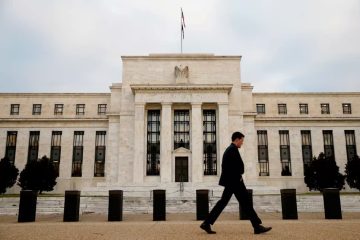
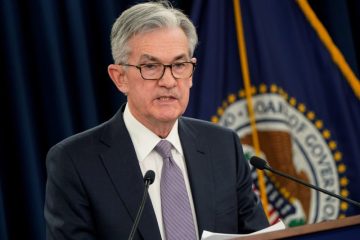
Following two weeks of rigorous political and legal examination, the Federal Reserve aims to ensure that this week’s interest rate meeting is as clear and uneventful as possible, although President Donald Trump is likely to disapprove of the outcome. The central bank’s interest rate-setting committee is highly likely to maintain its key short-term rate at approximately 3.6 percent, following three consecutive quarter-point reductions last year. After December’s meeting, Fed Chair Jerome Powell stated that they were “well positioned to wait to see how the economy evolves” before making any further moves. When the Fed lowers its short-term rate, it can, over time, influence other borrowing costs for items such as mortgages, auto loans, and business borrowing; however, those rates are also impacted by market forces. This week’s meeting – one of eight the Fed holds each year – will be overshadowed by the significant revelation earlier this month that the Justice Department has subpoenaed the Fed as part of a criminal investigation into testimony Powell gave last June about a $2.5 billion building renovation. This marks the first occasion in which a sitting Fed chair has faced an investigation, leading to an unusually public reprimand from Powell.
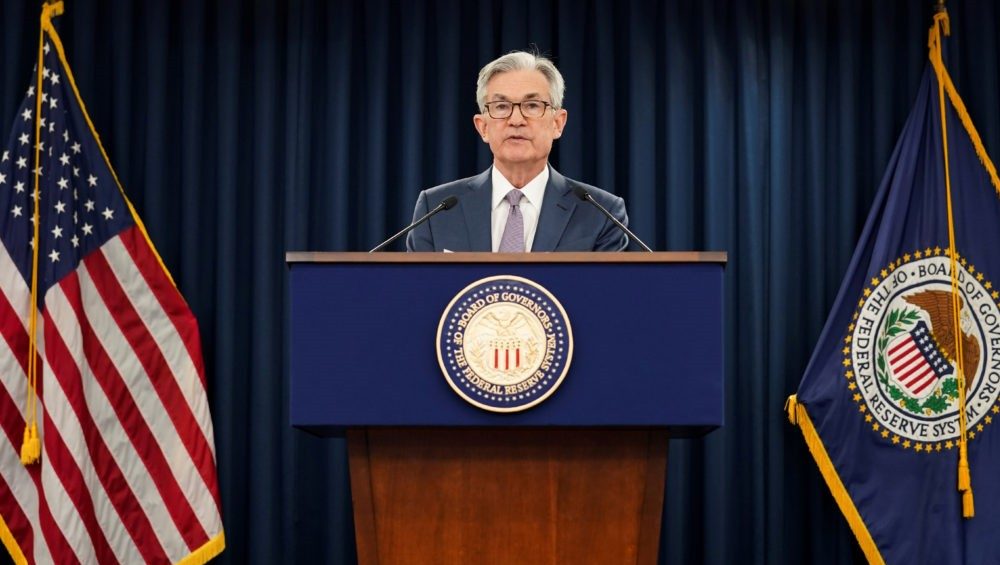
Powell now faces the challenge of transitioning from a conflict with the White House to underscoring that the Federal Reserve’s interest rate decisions are guided by economic factors rather than political influences. On January 11, Powell stated that the subpoenas were “pretexts” intended to penalize the Fed for not reducing rates as aggressively as Trump desires. Powell will be “under even more pressure to underscore, everything we’re doing here … is all about the economics,” stated Claudia Sahm. “We didn’t think about the politics.” Michael Gapen stated that despite the scrutiny, the Fed is likely to approach its interest rate policies as it has consistently done. “The meetings have a regular flow to them,” he stated. “There are presentations that are made, there are discussions that have to be had. … Some of these other broader-based attacks on the Fed don’t really come up.” Shortly after the Justice Department issued its subpoenas, the Supreme Court deliberated last week on the question of whether Trump has the authority to dismiss Fed governor Lisa Cook, who faces allegations of mortgage fraud that she firmly denies. In the entire 112-year history of the Federal Reserve, no president has ever dismissed a governor. During an oral argument, the justices seemed inclined to permit her to remain in her position until the case reaches a resolution.
Other Fed officials have also indicated that the central bank is expected to maintain rates unchanged at their two-day meeting concluding on Wednesday. The Fed’s three rate cuts last year aimed to strengthen the economy following a significant slowdown in hiring during the summer and fall, a consequence of Trump’s April tariffs imposed on numerous countries. In December, the unemployment rate experienced a slight decline, following an upward trend for a significant portion of the previous year, and additional indicators suggest that the job market may be reaching a point of stability. The number of individuals applying for unemployment benefits remains at historically low levels, indicating that layoffs have not surged. Meanwhile, inflation continues to be elevated and indeed increased last year, as indicated by the Fed’s preferred measure. In November, prices experienced an increase of 2.8 per cent compared to the same month the previous year, according to the latest available data. That represents an increase from 2.6 percent in November 2024.
Economists assert that the Federal Reserve is unlikely to reduce rates again for at least a few months, unless businesses begin to cut jobs or the unemployment rate increases. If inflation gradually decreases this year, as anticipated by economists, the Fed may implement another cut in the spring or summer. According to futures prices, market investors anticipate only two quarter-point rate reductions this year. Numerous economists anticipate that growth may accelerate in the upcoming months, presenting yet another rationale for delaying rate cuts. Gapen estimates that tax refunds could be approximately 20 percent higher this spring compared to last year, as the tax cuts implemented by the Trump administration begin to take effect. “Refunds could average $3,500,” Gapen said. The economy expanded at a 4.4 per cent annual rate in last year’s July-September quarter and may have grown at a similarly healthy pace in the final three months of last year. If such solid growth continues, Fed officials will likely hold off to observe whether hiring increases, thereby diminishing the necessity for additional rate cuts.