Fed Slashes Key Rate Again, Hints at Stronger Economy Ahead
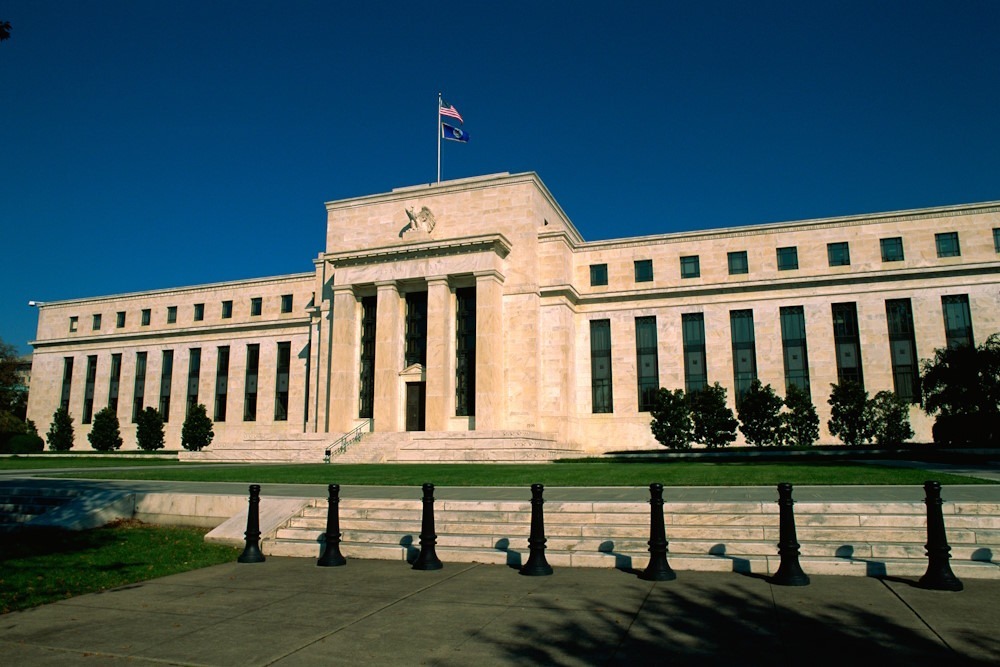
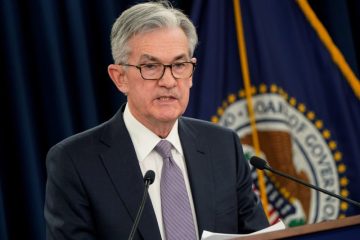
The Federal Reserve lowered its key interest rate by a quarter-point for the third consecutive time on Wednesday, yet indicated that it might maintain rates at their current level in the upcoming months. Chair Jerome Powell indicated during a news conference that the Fed would probably refrain from additional rate cuts in the upcoming months as it assessed the economy’s health. In a recent set of quarterly economic projections, Fed officials indicated their expectation to reduce rates only once in the coming year. Wednesday’s cut brought the rate down to approximately 3.6 percent, marking the lowest level in nearly three years. Reduced rates from the Fed have the potential to decrease borrowing costs for mortgages, auto loans, and credit cards in the long run, although market dynamics may also influence those rates. Powell stated that Fed officials “will carefully evaluate the incoming data,” further noting that the Fed is “well positioned to wait to see how the economy evolves.” The chair also stated that the Fed’s key rate was nearing a point that neither constrains nor encourages economic activity.
Three Fed officials dissented from the move, marking the highest number of dissents in six years and indicating significant divisions within a committee that typically operates by consensus. Two officials voted to maintain the Fed’s rate, while Stephen Miran, appointed by Trump in September, advocated for a half-point cut. December’s meeting may herald a more contentious phase for the Fed. Officials are divided between supporters of reducing rates to enhance hiring and those advocating for maintaining rates as inflation continues to exceed the central bank’s 2 percent target. Unless inflation demonstrates unmistakable signs of being fully managed, or if unemployment deteriorates, those divisions are expected to persist. “What you see is some people feel we should stop here and we’re in the right place and should wait, and some people think we should cut more next year,” Powell stated. He did rule out a rate hike next year.
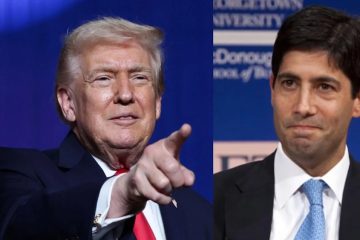
On Wednesday, Trump expressed his discontent with the cut, deeming it too small, and stated he would have preferred “at least double.” The president may appoint a new Fed chair as early as this month to succeed Powell when his term concludes in May. Trump’s new chair is expected to advocate for more aggressive rate cuts than what many officials might endorse. Stocks surged following the Fed’s decision, partly due to the anticipation among certain investors that Powell would take a stronger stance against the potential for future cuts. The S&P 500 stock index increased by 0.7 percent, closing close to the all-time high achieved in October. Powell expressed optimism regarding the economy’s growth for the upcoming year, noting that consumer spending continues to show resilience and that companies are actively investing in artificial intelligence infrastructure. He also suggested that enhancing worker efficiency could contribute to growth as well.
A clear indication of the divisions within the Fed was the broad spectrum of cuts that the 19 members of the Fed’s rate-setting committee projected for 2026. Seven anticipated no cuts next year, while eight predicted that the central bank would carry out two or more reductions. Four backed only one. Only 12 of the 19 members cast their votes on the rate decisions. The Fed convened amid persistent inflation that has left many Americans exasperated, as they face rising costs for groceries, rents, and utilities. Consumer prices have surged by 25 percent in the five years following the onset of COVID. “We hear loud and clear how people are experiencing really high costs,” Powell said Wednesday. “Much of this isn’t reflective of the current inflation rate; rather, it stems from persistent high costs resulting from elevated inflation levels in 2022-2023.”