West Asia Crisis Hangs Over Asian Central Banks’ Rate Outlook
The escalating crisis in West Asia has significantly altered the perspective for global central banks, as the substantial supply shock presents a challenging trade-off between supporting growth and combating inflation. For emerging Asian central banks, reducing interest rates has turned into a precarious gamble, not only due to the increased price pressure from rising fuel costs but also the potential risk of instigating capital outflows as a result of deteriorating trade terms with the US. Sources have informed that the Reserve Bank of India plans to prioritize growth support by maintaining low interest rates. However, an increasing flight to the safe-haven dollar, driven by the US-Iran conflict, may compel it to escalate intervention efforts to support its declining currency. Thailand and the Philippines might have to reconsider their accommodating monetary policy approach, despite the adverse impact of increasing fuel prices on their economies, stated Toru Nishihama. “Many central banks will face a tough decision as they come under pressure from both markets and governments,” Nishihama said. “As the conflict shows no signs of resolution, the threat of stagflation intensifies with each passing day.”
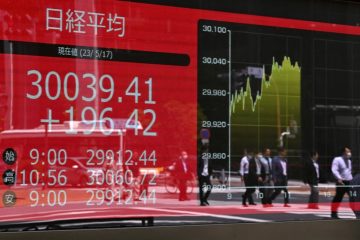
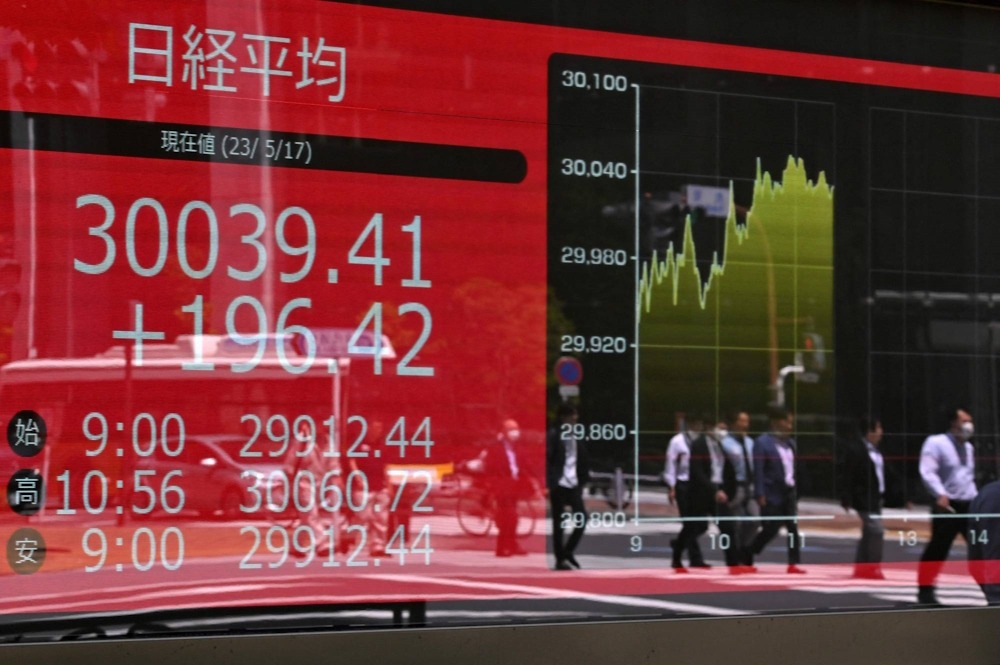
Share markets experienced a significant decline, while the safe-haven US dollar strengthened in Asia on Monday, as oil prices surged past $110 a barrel. This development has heightened concerns regarding a prolonged conflict in West Asia, which could impact global energy supplies and lead to increased inflation, potentially prompting central banks to raise interest rates. The trade-off is especially pronounced for manufacturing-centric economies such as South Korea and Japan, which rely heavily on global trade, stable markets, and low raw material costs—all of which are being jeopardized by the escalating crisis in the Middle East. According to economist Kim Jin-wook, South Korea’s central bank, which maintained steady rates in February, may adopt a more hawkish approach if inflation remains consistently a percentage point above its target. “For now, we continue to believe BoK is unlikely to hike policy rate in response to a higher-than-expected oil price,” with government steps to curb fuel prices limiting the pass through of oil moves on inflation, Kim said.
Central banks in developed markets, including the Federal Reserve, encounter a challenging task in balancing growth, inflation, and mounting political pressure. The predicament is profound for the Bank of Japan. If crude oil prices remain at $110 for a year, it could reduce growth by 0.39 percentage points, as stated by Nomura Research Institute, significantly impacting an economy that has a muted potential growth rate of approximately 0.5% to 1%. However, in contrast to previous times when it could afford to halt rate increases, the BOJ currently has limited capacity to overlook price pressures, as inflation has surpassed its 2% target for almost four years. Analysts say that means the BOJ will have little choice but to repeat its mantra of continued rate hikes, while remaining silent on the timing of such a move that could provoke the ire of an administration opposed to higher borrowing costs. Australia and New Zealand exemplify the challenges faced by policymakers as economies navigate through varying cycles. Sustained oil price hikes pose a risk of de-anchoring price expectations in Australia, where inflation is already elevated, stated Jonathan Kearns.
“If inflation expectations increase, which they obviously could in this period where we’ve had high inflation, that will mean that the Reserve Bank would need to have interest rates higher for longer in order to bring inflation back down.” New Zealand is confronted with a distinct challenge as the economy has found it difficult to rebound from the impact of previous rate hikes. “We suspect central banks, and the RBNZ in particular, may well have to tolerate higher inflation in the short run to avoid tightening into a slowing global economy,” said Jarrod Kerr. International Monetary Fund Managing Director Kristalina Georgieva stated on Monday that a sustained 10% rise in oil prices throughout most of the year would lead to a 40-basis-point increase in global inflation. “We are seeing resilience tested again by the new conflict in West Asia,” Georgieva said in a symposium in Tokyo. “My advice to policymakers in this new global environment is to think of the unthinkable and prepare for it.”