Stocks tumble as gold soars to new heights amidst concerns over a US shutdown
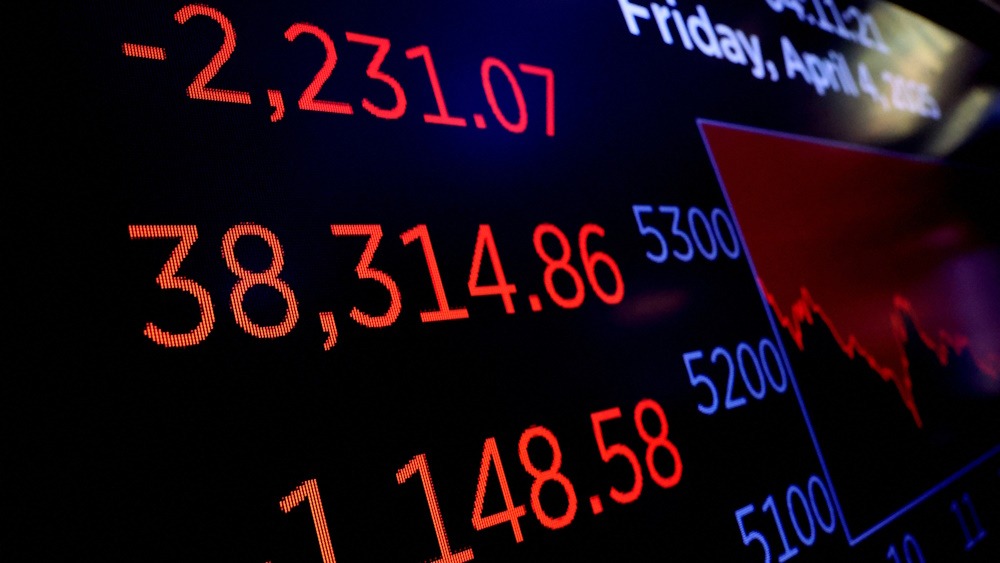
Caution dominated world markets on Tuesday, as the dollar and equities experienced a decline, while gold reached another record high due to concerns that a US government shutdown might postpone crucial jobs data. The dollar experienced a general decline, European stocks opened lower, and US equity futures dropped following remarks from US Vice President JD Vance, who stated that the government seemed “headed to a shutdown” due to minimal advancements in budget discussions between President Donald Trump and Democratic adversaries. A government closure would postpone the release of Friday’s crucial employment figures, drawing attention to the Labor Department’s report on August job openings, which is set to be published later on Tuesday. The outlook for the Federal Reserve could also become more complicated, following its decision to cut rates earlier this month.
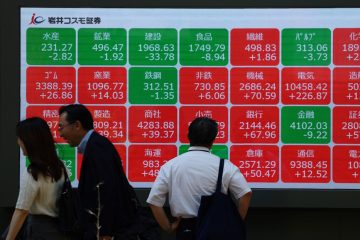
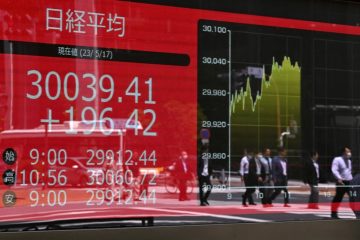
“We are seeing a bit of concern about how the next few days play out; it seems like both sides are accepting that a shutdown is inevitable,” said James Rossiter. “The concern is that if a shutdown occurs, it may be prolonged, and without Friday’s jobs report or the upcoming CPI number, what position will the Fed be in?” he stated, referencing US inflation data. The pan-European STOXX 600 index was last down approximately 0.2 percent, while Japan’s Nikkei closed down 0.25 percent. MSCI’s broadest index of Asia-Pacific shares outside Japan, however, rose almost 0.5 percent, indicating a potential gain of over 5 percent this month. China’s blue-chip CSI300 Index increased by nearly 0.5 percent, on track for a fifth consecutive month of gains, marking its longest streak since October 2017. A remarkable surge in global equities may diminish if the likelihood of an extended shutdown arises, impacting US economic growth. US stocks appear poised to conclude September with an increase of over 3 percent, while European shares have risen by nearly 1 percent this month. Australia’s dollar continued to rise following the central bank’s decision to maintain policy rates, a move that was anticipated. Meanwhile, oil prices experienced a decline of over 1 percent due to expectations of increased production from Opec+. Additionally, China’s manufacturing activity contracted for the sixth consecutive month in September.
The concerns surrounding a US shutdown have contributed to gold’s remarkable surge. The precious metal reached an unprecedented peak of $3,820 per ounce, marking an increase of over 12 percent in September, positioning it for its largest monthly percentage gain since November 2009. A US government shutdown would commence on Wednesday if no agreement is reached, coinciding with the implementation of new US tariffs on heavy trucks, patented drugs, and various other items. The White House revealed updated tariffs on furniture and cabinets late Monday, set to take effect on October 14. The dollar found itself on the defensive as a result of these developments. The US currency fell by 0.4 percent to 147.95 yen, while the euro rose by 0.1 percent to $1.1742. Additionally, both the Swiss franc and the pound showed slight gains against the dollar. The dollar index was last down 0.1 percent on the day and is poised to conclude September with minimal change for the month.
According to analysts, the yen may stand out as a strong performer in response to a potential US government shutdown. The report serves as the initial indicator among several anticipated before the September employment report, which is scheduled for release on Friday and is deemed crucial for the Federal Reserve’s assessments regarding the timing of rate cuts. A prolonged government shutdown may leave the Federal Reserve without crucial insights into the economy as it convenes on October 29. Analysts anticipate that JOLTS will reveal job openings remaining steady at approximately 7.18 million in August. In the realm of Asian economic data, China’s purchasing managers’ index increased to 49.8 in September, up from 49.4 in August, remaining below the pivotal 50-mark that distinguishes growth from contraction. It indicated that producers are anticipating additional stimulus to enhance domestic demand, along with clarity regarding a US trade agreement.
In another development, the Reserve Bank of Australia maintained its cash rate at 3.60 per cent, indicating that recent data pointed to the possibility of inflation exceeding previous forecasts in the third quarter, while also noting that the economic outlook continued to be uncertain. In Europe, data indicating an increase in inflation across four significant German states had a minimal effect on the market. Oil remained under pressure as a result of an expected production boost from Opec+ and the restart of oil exports from Iraq’s Kurdistan region. Brent declined by 1.25 per cent, settling at $67.11 per barrel, while US crude also dropped 1.25 per cent to $62.66.