SC Ruling on Trump Tariffs Sparks Uncertainty

The Supreme Court’s ruling against US President Donald Trump’s tariffs has drawn the attention of countries such as China and South Korea, eager to observe Washington’s forthcoming actions, while financial markets responded with a measured reaction. The decision revealed on Friday may significantly alter the agreements established during trade negotiations following Trump’s declaration of extensive tariffs on numerous countries in April 2025. China’s Commerce Ministry stated it was undertaking a “comprehensive assessment of” the ruling regarding the tariffs imposed by Trump under the International Emergency Economic Powers Act, or IEEPA. “China urges the United States to lift the unilateral tariffs imposed on trading partners,” an unnamed ministry spokesman stated. The statement emphasized Beijing’s position that a trade war yields no victors and that the measures announced by Trump “not only violate international economic and trade rules but also contravene domestic laws of the United States, and are not in the interests of any party,” as reported.
Trump reacted to the Supreme Court ruling by suggesting a new 10% global tariff based on an alternative law, Section 122 of the 1974 Trade Act, which he later raised to 15%. For China and several other nations in Asia facing elevated import duties on their exports, this could potentially offer some relief. However, for nations like Japan, the United Kingdom, and other allies of the United States, there is a possibility that tariffs may increase. The US intends to uphold its trade agreements and anticipates that its partners will reciprocate, stated US Trade Representative Jamieson Greer during an interview on Sunday. “The deals were not premised on whether or not the emergency tariff litigation would rise or fall,” said Greer. “I haven’t heard anyone yet come to me and say the deal’s off. They want to see how this plays out.” South Korea’s trade minister, Kim Jung-kwan, stated on Monday that uncertainty may worsen if the Trump administration persists in imposing new tariffs under alternative laws.
The South Koreans have consented to engage in “amicable” discussions with US officials to mitigate any adverse effects on South Korean companies, he stated. Significant exports from South Korea, including automobiles and steel, face tariffs imposed by various trade regulations. “Given the uncertainty over future US tariff measures, the public and private sectors must work together to strengthen our companies’ export competitiveness and diversify their markets,” Kim said. US Treasury Secretary Scott Bessent also stated on Sunday that he believed trading partners would adhere to existing agreements and that tariff revenues would remain consistent. “Tariff revenues will be unchanged this year and will be unchanged in the future,” Bessent said in an interview, pointing to the new 15% global tariffs Trump has said he wants as a replacement.
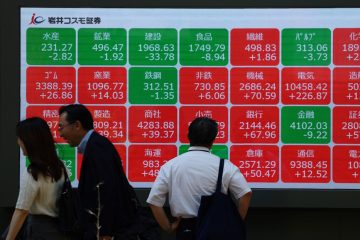
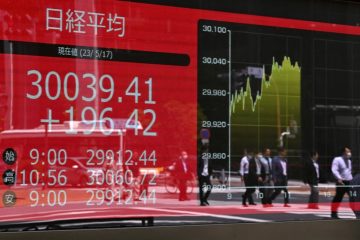
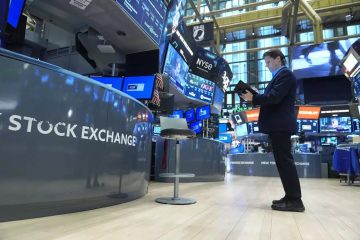
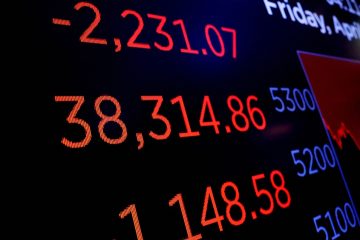
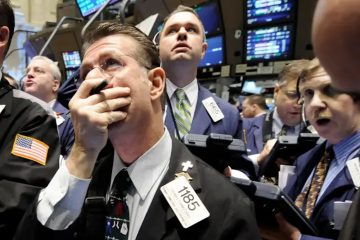
The administration would defer to the courts on the question of providing companies with refunds for the import taxes that have already been collected under the tariffs now deemed unlawful, Bessent stated. “It’s out of our hands and we will follow the court’s orders,” he said. US futures declined early Monday, with the contract for the S&P 500 decreasing by 0.6% and the Dow Jones Industrial Average dropping by 0.5%. Oil prices declined, and the US dollar experienced a weakening against both the Japanese yen and the euro. However, share prices in Asia generally rose, with Hong Kong’s Hang Seng increasing by 2.4%.