Global Markets Slide as Fed Pick Jitters Hit Stocks
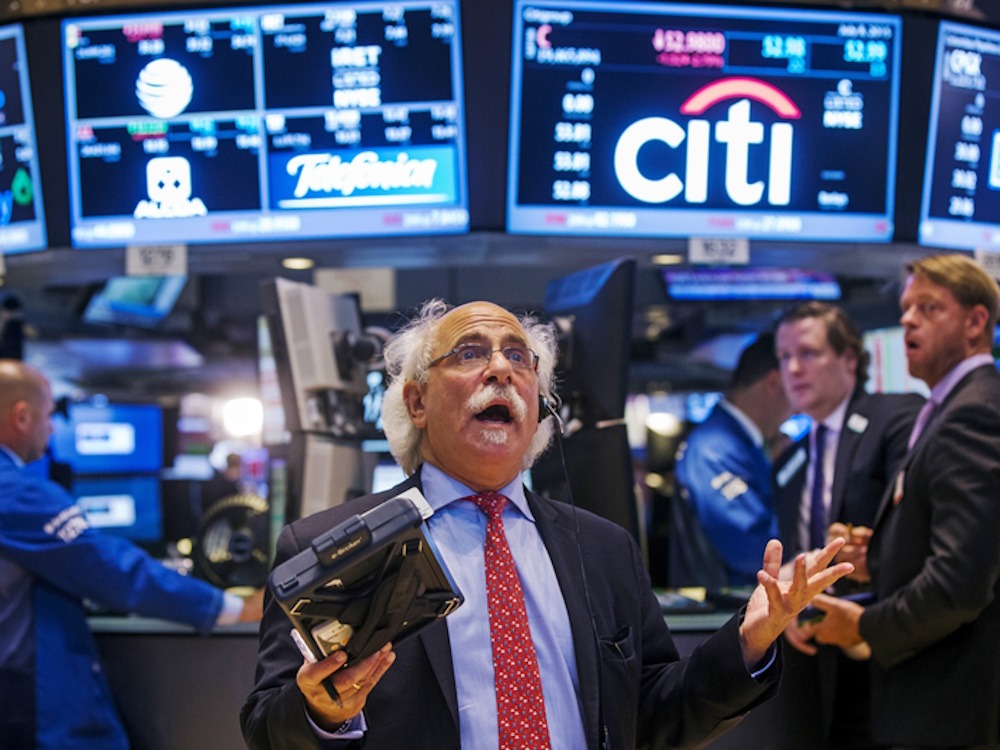
US futures and Asian shares declined on Monday, while oil prices dropped by more than $2 a barrel. In South Korea, the Kospi fell 4.6 per cent to 4,982.54 as concerns resurfaced regarding a possible bubble in the enthusiasm for artificial intelligence. Samsung Electronics declined by 3.5 per cent, while chip maker SK Hynix fell by 5.6 per cent. The Kospi has been setting records for weeks, driven by major tech companies capitalizing on the AI craze through partnerships with significant players such as chip maker Nvidia. In other dealings, the price of gold fell 1 per cent, while silver gained more than 2 per cent after both plunged on Friday, marking a halt to record runs in precious metals markets. Markets showed signs of unease as investors analyzed the implications of President Donald Trump’s new nominee for the Federal Reserve, Kevin Warsh, on interest rates. The future for the S&P 500 declined by 0.9 percent, while the Dow Jones Industrial Average experienced a decrease of 0.5 percent.
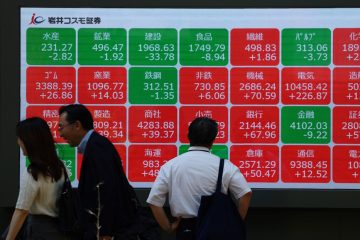
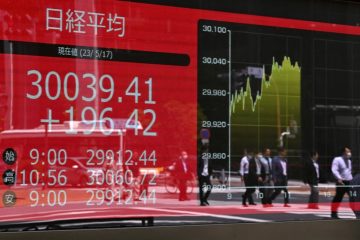
US benchmark crude declined by $2.80, settling at $62.41 per barrel. While addressing reporters on Air Force One, Trump stated that Iran ought to engage in negotiations for a “satisfactory” agreement to avert the Middle Eastern nation from acquiring nuclear weapons.I am uncertain whether they will. However, they are engaging in conversation with us. “Seriously talking to us,” he stated. According to analysts, that comment seemingly alleviated certain concerns regarding possible disruptions to oil supplies that had driven prices upward. Brent crude declined by $3, settling at $66.32 per barrel. In Tokyo, the Nikkei 225 index increased by 0.2 per cent to reach 53,422.01, while other regional benchmarks experienced a decline. Hong Kong’s Hang Seng fell by 2 per cent to 26,841.45, whereas the Shanghai Composite index decreased by 1.1 per cent to 4,071.14. In Australia, the S&P/ASX 200 experienced a decline of 1.1 per cent, settling at 8,766.70. Taiwan’s Taiex experienced a decline of 2.1 percent.
On Friday, the S&P 500 experienced a decline of 0.4 percent, closing at 6,930.03. The Dow declined by 0.4 percent, closing at 48,892.47, while the Nasdaq composite fell by 0.9 percent to 23,461.82. Tesla contributed to mitigating the market’s losses, experiencing a rise of 3.3 percent. It rebounded after a decline on Thursday, even though it provided profit reports for the latest quarter that exceeded analysts’ expectations. Apple increased by 0.5 per cent following the announcement of a stronger profit for the latest quarter, surpassing analysts’ expectations. Warsh’s nomination is subject to Senate approval. The individual at the helm of the Fed wields significant influence over the global economy and markets by guiding the direction of interest rate adjustments made by the US central bank. Such decisions influence prices across various investments, as the Fed endeavors to maintain a vibrant US job market while preventing inflation from spiraling out of control. Trump has advocated for reduced interest rates, which typically stimulate economic growth but may also lead to increased inflation.
A report released Friday indicated that US inflation at the wholesale level exceeded economists’ expectations last month. That may exert pressure on the Fed to maintain interest rates at their current levels for a period, rather than reducing them as it did late last year. A concern in financial markets has been that the Fed may lose a degree of its independence due to Trump. The resulting fear has significantly contributed to the rise in gold prices while simultaneously diminishing the value of the US dollar over the past year. The prevailing belief has been that the Fed ought to function independently from the rest of Washington, allowing it to implement measures that may be uncomfortable in the short run but essential for long-term stability. Achieving the Fed’s target of 2 percent inflation, for instance, might necessitate the difficult decision to maintain elevated interest rates and apply pressure on the economy for a period of time. On US Market, stocks of metals miners fell sharply as the price of gold decreased by 11.4 per cent, closing at $4,745.10 per ounce. Gold’s price abruptly lost momentum after an impressive rally that saw it nearly double in value over the course of 12 months. On Monday, it surpassed $5,000 for the first time and reached approximately $5,600 at one point on Thursday. Silver, which had experienced a remarkable surge, fell sharply by 31.4 percent. In other action early Monday, the dollar increased to 155.10 Japanese yen from 154.94 yen. The euro rose to $1.1867, up from $1.1853.