Asian Stocks Surge on Tech Boost, Yen Remains Weak at Historic Lows
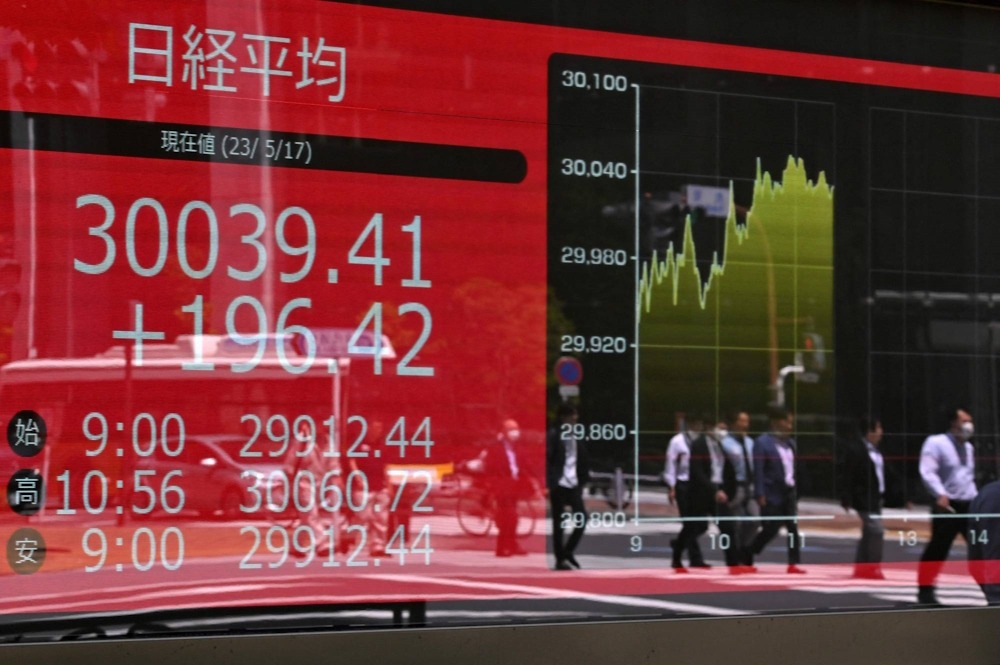
Asian share markets experienced an uptick on Monday, following tech-driven gains. Meanwhile, the yen languished at all-time lows against the euro and Swiss franc, as elevated interest rates domestically failed to dissuade speculative sellers. Turnover was sparse in what is a holiday-shortened week for much of the world, yet the path of least resistance leaned higher in anticipation of delayed data expected to reveal that the US economy maintained strong growth in the third quarter. Median forecasts indicate an annualised growth of 3.2 per cent, attributed in part to a significant reduction in imports following a surge earlier in the year prior to the implementation of tariffs. Analysts expressed caution, highlighting that their measure of investor sentiment had reached an extreme bullish level of 8.5, which is often indicative of a potential reversal.
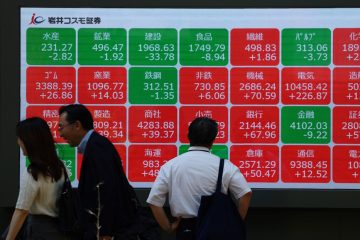
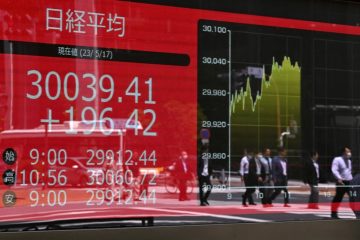
“Readings above 8.0 have often preceded pullbacks, with global equities declining a median 2.7 per cent over the following two months, with a 63 per cent hit rate,” they stated in a note. “Sentiment data reinforce the cautionary signal: the Fund Manager Survey shows the most bullish sentiment in 3-1/2 years, driven by expectations of rate, tariff, and tax cuts.” Currently, the apprehension of missing out appears to be more significant, as S&P 500 futures increased by another 0.2 percent, while Nasdaq futures rose by 0.3 percent. Japan’s Nikkei rose by 1.5 per cent, building on Friday’s recovery as a significant drop in the yen is expected to enhance export revenues for Japanese companies.
The yen selloff occurred as the Bank of Japan increased rates to a 30-year high of 0.75 percent, exerting significant selling pressure on government debt. Minutes from the BOJ meeting are set to be released on Wednesday, coinciding with the central bank head’s address to a Japanese business lobby on Christmas Day. The yen reached a new record low against the euro at 184.90, and against the Swiss franc at 198.08. The dollar rose to 157.67, although investors remained cautious about approaching the November peak of 157.90, fearing it might provoke intervention from Tokyo. Japan’s chief currency official expressed their concern regarding one-sided movements and cautioned about taking appropriate measures in response to an excessive decline. A break of 158.00 higher would aim for the 2025 peak of 158.88, followed by the 2024 high at 161.96. The dollar remained stable against a range of currencies at 98.725, reflecting a gain of 0.3 percent on Friday.
MSCI’s broadest index of Asia-Pacific shares outside Japan increased by 0.3 percent, while South Korea surged by 1.8 percent amid optimism regarding AI-related earnings. Analysts at TD Securities observed that equity markets achieved their highest weekly inflows on record, amounting to $98 billion last week, primarily driven by US equity funds. Chinese equity funds experienced their third largest weekly inflow of 2025, while emerging markets attracted their largest inflows since April. Flows to bonds, however, experienced a fourth consecutive week of deceleration. Yields on Japanese 10-year debt increased by another 2.5 basis points, reaching the highest level since 1999, while US 10-year yields climbed to 4.157 percent. Silver emerged once more as the standout in commodities, achieving a new high at $67.48 per ounce and elevating year-to-date gains to nearly 134 percent. Gold increased by 0.6 percent today, reaching $4,362 an ounce. Oil prices increased following the US interception of a Venezuelan oil tanker over the weekend, with authorities also pursuing another vessel in what marks the third operation of this nature in under two weeks. Brent increased by 0.7 percent to $60.88 a barrel, while US crude also saw a rise of 0.7 percent, reaching $56.89 per barrel.