Asian Stocks Hit One-Month Lows Amid Tech Valuation Concerns
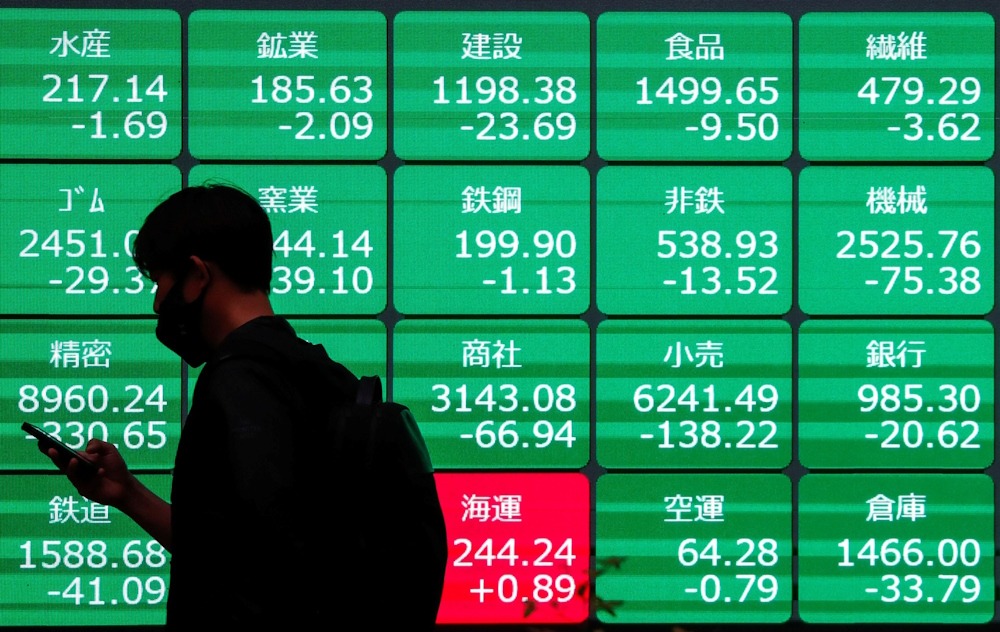
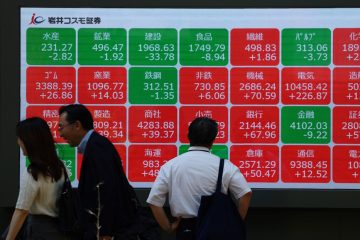
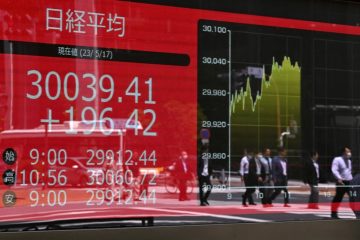
Asian stocks fell to one-month lows on Tuesday, with significant declines observed in Japan and South Korea’s technology-focused markets. This comes as earnings from chipmaker Nvidia are anticipated later in the week, serving as a critical assessment for valuations throughout the sector. Mood-barometer Bitcoin was sliding and fell below $90,000 for the first time in seven months. Japan’s Nikkei, down 3 per cent, was on track for its largest one-day decline since April, while FTSE and European futures both experienced a drop of more than 1 per cent. “It’s starting to feel like investor conviction at current levels is fading,” said Tareck Horchani. “It’s less about a sharp catalyst and more about positioning fatigue, valuation sensitivity, and a growing sense that the rally needs a pause,” he stated. MSCI’s broadest index of Asia-Pacific shares outside Japan declined by 1.8 per cent, reaching its lowest point since mid-October. South Korea’s KOSPI declined by 3.3 per cent, Australia’s S&P/ASX200 decreased by nearly 2 per cent, and Hong Kong’s Hang Seng Index experienced a loss of 1.67 per cent.
The decline in Asian stocks mirrored a prolonged selloff, as markets prepared for an influx of economic data releases. “November has introduced increased volatility to global equity markets. Unlike October, most major indices have stalled, failing to push on to new record highs,” said Besa Deda. Chipmaker Nvidia’s quarterly earnings on Wednesday are highly awaited as investors seek indications of a slowdown in a sector that has propelled the stock market’s surge in recent months. A basket of Japan’s leading AI-related stocks monitored by BNP Paribas experienced a decline of 4.7 per cent during Tuesday’s session, bringing its monthly decrease since the end of October to approximately 15 per cent. The basket experienced a remarkable increase of 130 per cent from the beginning of the year through October. “Many of the Asia technology companies are part of the broader global AI supply chain,” said Jason Lui. “As investors conduct a more thorough examination of the spending, its sustainability, and its scale, this will lead to a more selective approach to investing in the US and throughout Asia.”
In the foreign exchange market, there was a notable increase in the purchasing of safe havens such as the dollar, yen, and Swiss franc. The Swiss franc was positioned just above 0.80 per dollar. The dollar index remained unchanged at 99.5. The yen experienced a modest increase of approximately 0.15 percent, reaching 155 per dollar. This slight rise offers some relief to Japanese authorities, who have been expressing growing concern over the ongoing weakness of the yen. Japanese government bonds experienced a decline, leading to some long-end yields reaching unprecedented highs, amid concerns regarding Prime Minister Sanae Takaichi’s escalating spending proposals. Takaichi’s meeting with Bank of Japan governor Kazuo Ueda at 0630 attracted significant attention, marking the first discussions between the two since the new leader’s inauguration last month. Ueda has indicated the possibility of an interest rate increase as early as next month. However, Takaichi and her finance minister, Satsuki Katayama, have expressed their clear preference for maintaining low rates until inflation consistently reaches the BOJ’s 2 percent target.
“My expectation is that another rate hike will be pushed into 2026. By the first quarter, the BOJ can wait for the outcome of more wage negotiations and it is a conservative organisation and they could continue to wait and see,” said Tai Hui. Gold experienced a decline of 0.87 per cent, settling at $4,008 an ounce, while Brent crude futures fell by 0.67 per cent during the Asian session, reaching $63.77 a barrel. Bitcoin experienced a decline of nearly 2 percent, falling below $90,000, which marks a decrease of approximately 30 percent from its peak.