Asian Stocks Climb as Oil Prices Fall Amid US Venezuela Action
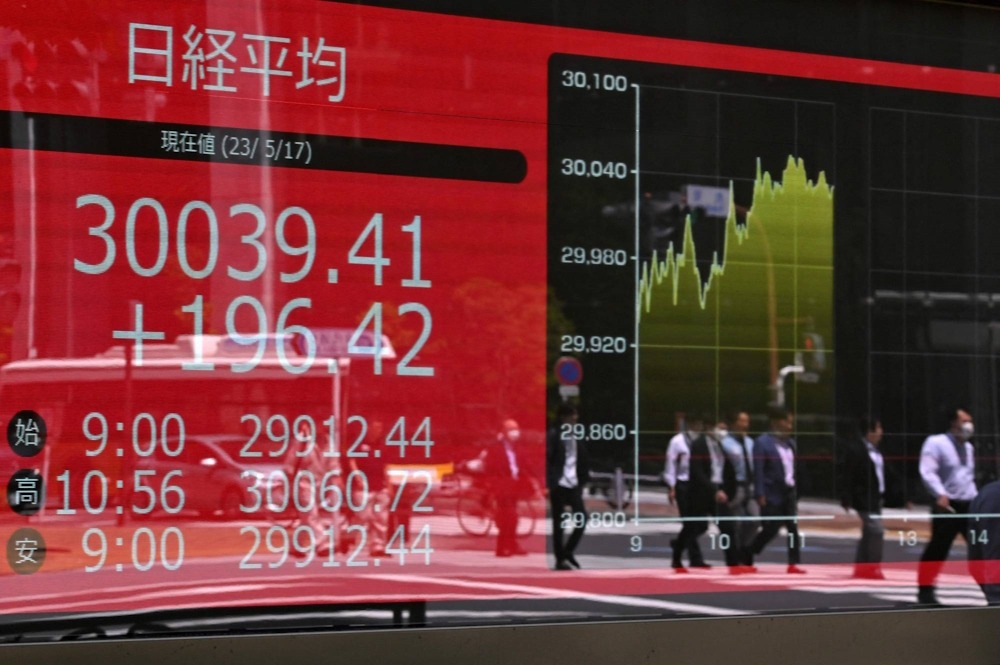
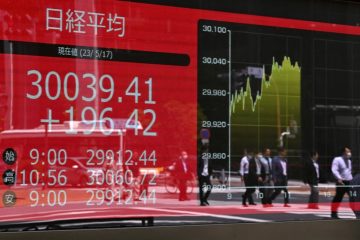
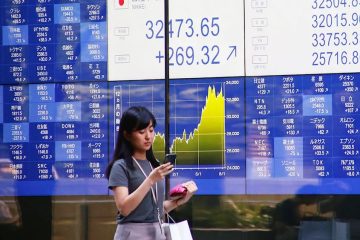
Asian shares and US futures saw an uptick on Tuesday following a positive close for stocks on market. Oil prices declined after experiencing an increase on Monday, following the capture of Venezuelan President Nicolas Maduro by US forces during a weekend raid. In Tokyo, the Nikkei 225 rose by 1.1 per cent to 52,389.63, driven by robust buying in tech-related shares, including precision tools maker Disco Corp., which surged by 5.3 per cent. South Korea’s Kospi advanced further into record territory, rising 0.8 percent to 4,495.49, supported by increases in automakers and select electronics manufacturers. Hong Kong’s Hang Seng experienced a notable increase of 1.8 per cent, reaching 26,815.75, while the Shanghai Composite index rose by 1.1 per cent to 4,069.38. Taiwan’s Taiex experienced a rise of 1.2 per cent, whereas in India, the Sensex saw a slight decline of 0.1 per cent.
On Monday, market experienced widespread gains, highlighted by significant increases in energy companies and banks. In other sectors, industrial companies and retailers collaborated to enhance major indexes. The S&P 500 increased by 0.6 percent, reaching 6,902.05, and is now positioned just beneath its record established in late December. The Dow Jones Industrial Average achieved a milestone, increasing by 1.2 percent to reach 48,977.18. The Nasdaq composite increased by 0.7 percent, reaching 23,395.82. Stocks of smaller companies experienced a notably robust performance, surpassing other indexes, indicating a wider sense of investor confidence. The Russell 2000 increased by 1.6 percent.
Energy companies and the oil market emerged as a central point of interest following the capture of Maduro by US forces. The price of US crude surged 1.7 percent to $58.32 per barrel. The price of Brent crude, the international benchmark, increased by 1.7 per cent to $61.76 per barrel. However, oil experienced a decline early Tuesday. US crude decreased by 18 cents, settling at $58.14 per barrel, while Brent crude fell by 14 cents to reach $61.62 per barrel. Chevron experienced a notable increase of 5.1 percent, Exxon Mobil saw a rise of 2.2 percent, and Halliburton surged by 7.8 percent, marking some of the most significant gains in the market following President Donald Trump’s proposal for US oil companies to assist in the reconstruction of Venezuela’s oil industry. Venezuela’s oil industry has suffered greatly due to neglect and international sanctions, and it may take years of significant investments to return to previous production levels. This week, investors can anticipate multiple updates regarding the US economy. On Monday, the Institute for Supply Management published its manufacturing index for December, indicating that the sector continued to contract. The business group is set to release its December report on the services sector this Wednesday, a significant update to watch for. The services sector constitutes the majority of the US economy and experienced growth, albeit modest, for much of 2025. Later this week, reports on the job market will include updates on job openings and overall employment, becoming a significant focus for the Federal Reserve. The US central bank is carefully considering the implications of a slowing job market in relation to the potential risks of rising inflation as it deliberates on the possibility of cutting interest rates.
The benchmark rate was reduced three times in late 2025; however, inflation has persisted above the 2 percent target, prompting a more cautious approach from the Fed. Market continues to anticipate that the Fed will maintain steady rates at its forthcoming meeting in late January. On Monday, technology companies, particularly those in artificial intelligence, captured attention as the annual CES trade show commenced in Las Vegas. Nvidia experienced a decline of 0.4 percent, while Applied Materials saw an increase of 5.7 percent. Advancements in AI played a significant role in driving the broader market to achieve a series of records in 2025. Insights from leading technology firms may provide clarity on the value of substantial investments in AI against the backdrop of potential financial risks. In other trading early Tuesday, the US dollar decreased to 156.36 Japanese yen from 156.40 yen. The euro increased to $1.1735, up from $1.1724. Gold increased by 0.6 percent following a 2.8 percent rise on Monday. The price of silver increased by an additional 2.7 per cent following a remarkable surge of 7.9 per cent on Monday. Such assets are frequently regarded as safe havens during periods of geopolitical turmoil. The metals have reached record prices over the past year, driven by ongoing economic concerns stemming from conflicts and trade wars. Bitcoin experienced a decline of 1.5 per cent after reaching its peak since mid-November, settling at $93,700.