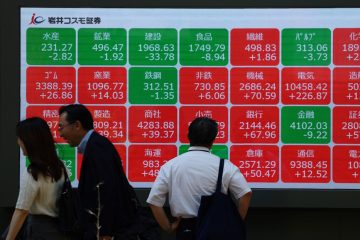
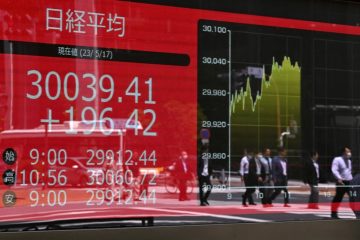
Asian shares tumble as oil hits $111 a barrel
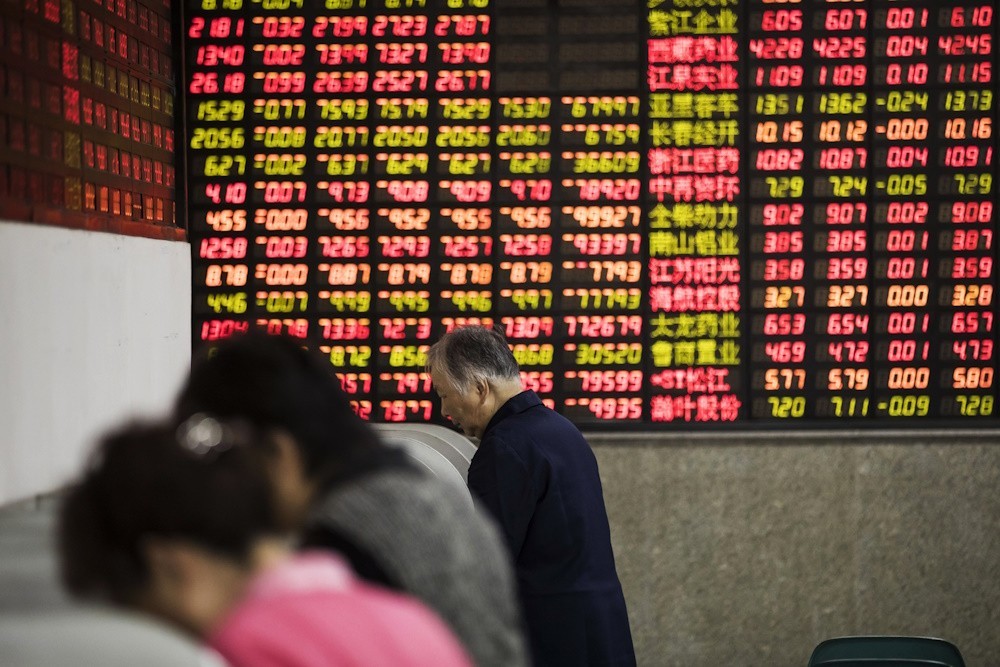
Shares declined on Thursday in Asia following a downturn in US stocks, coinciding with a surge in oil prices exceeding $110 a barrel. US stocks experienced a decline following a report indicating that inflation was set to deteriorate, even prior to the escalation of conflict with Iran, which caused a surge in oil and gas prices. Comments from the head of the Federal Reserve, along with that, have led investors to anticipate a diminished likelihood of securing the lower interest rates they favor.
In Tokyo, the Nikkei 225 experienced a decline of 2.5 per cent, closing at 53,875.94, while South Korea’s Kospi dropped by 1.3 per cent to 5,845.62. In Hong Kong, the Hang Seng declined by 0.2 per cent to 25,725.77, while the Shanghai Composite index fell by 0.9 per cent to 4,027.73. Australia’s S&P/ASX 200 declined to 8,504.20, while Taiwan’s Taiex experienced a drop of 1.2 per cent. Brent crude, the international benchmark, was trading at $111.24 a barrel, reflecting an increase of 3.6 per cent from the previous day. US benchmark crude oil increased by 0.8 percent, reaching $96.80 a barrel.
On Wednesday, the S&P 500 experienced a decline of 1.4 percent, resulting in a loss for the week to date. The Dow Jones Industrial Average experienced a decline of 768 points, equivalent to 1.6 percent, while the Nasdaq composite fell by 1.5 percent. The losses intensified following the Fed’s decision to maintain its primary interest rate, rather than implementing cuts intended to stimulate the job market and the economy. “We just don’t know,” Fed chair Jerome Powell said about what will happen with oil prices, along with how long President Donald Trump’s tariffs will take to work their way fully through the system.
Oil prices have surged as the conflict has interrupted the energy sector in the Persian Gulf. Iran’s state television reported on Wednesday that the Islamic Republic plans to target oil and gas infrastructure in Qatar, Saudi Arabia, and the United Arab Emirates following an attack on facilities linked to its offshore South Pars natural gas field. If the disruptions persist and maintain elevated oil and gas prices for an extended period, they could trigger a crippling surge of inflation for the global economy. A report released Wednesday morning indicated that inflation pressures were already mounting prior to the onset of the war. It reported that inflation at the US wholesale level unexpectedly accelerated last month to 3.4 percent.