Asian Shares Plunge as US Jobs Data Clouds Rate Outlook
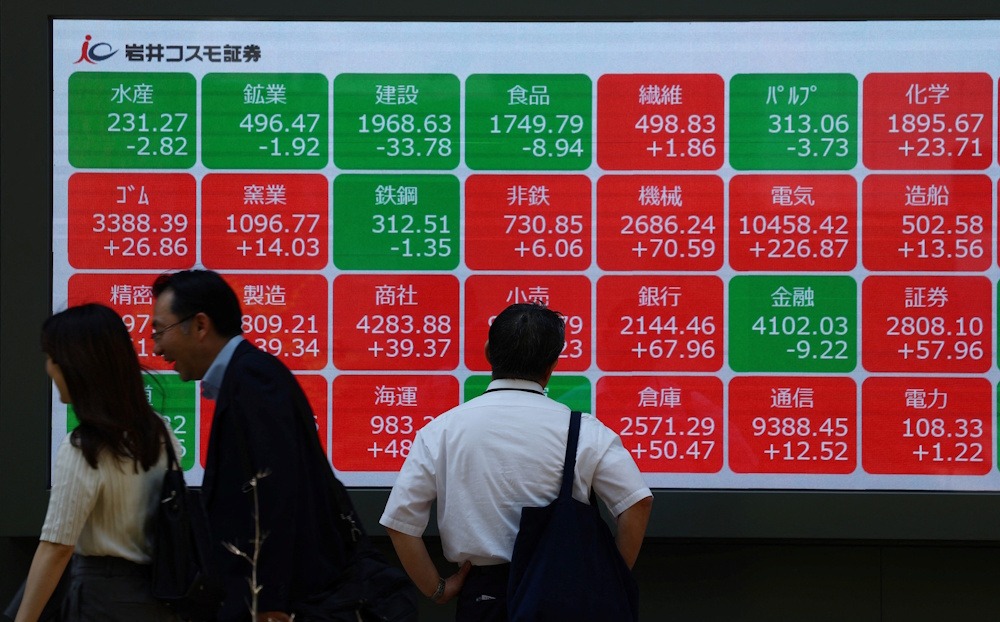
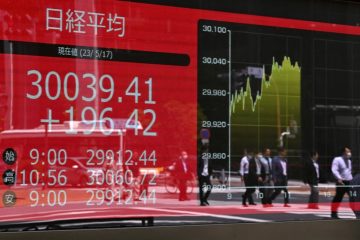
Asian shares continued to decline on Friday as the highly awaited US jobs data did not clarify the outlook on interest rates. Investors resumed selling off riskier assets, despite Nvidia’s impressive earnings report. Japan’s Nikkei experienced a decline of 2 per cent on Friday, while Australia’s resource-driven shares fell by 1.4 per cent, and South Korea saw a significant drop of nearly 4 per cent. Market experienced a significant downturn overnight as concerns regarding inflated tech stock prices resurfaced following a brief period of relief from Nvidia’s impressive forecasts. This led to the Nasdaq’s most pronounced one-day fluctuation since April 9, a day marked by President Donald Trump’s “Liberation Day” tariffs that unsettled the markets. Data revealed that the US economy added more jobs than anticipated in September; however, an increase in the unemployment rate and downward revisions to previous months created an unclear scenario for the Federal Reserve as it deliberates on the necessity of an interest rate cut next month to support the labor market.
Treasury yields declined as futures indicated a 40 percent likelihood of a US rate cut in December, an increase from 30 percent the previous day. However, this shift has not sufficiently persuaded investors regarding a December adjustment, especially with the next payroll figures set to be released only after the Fed meeting. “The markets had plenty to be positive about, and initially, Nvidia’s impressive quarterly results meant Wall Street surged out of the gates. The US jobs data was probably as good as you could have hoped for too,” said Kyle Rodda. “However, the momentum simply was not there to carry the rally through, with the passing of two critical risk events – both with positive outcomes, no less – not enough to dispel the bearishness gripping the markets currently.” Fed officials are increasingly worried about the stability of financial markets, particularly regarding the possibility of a significant decline in asset prices, as they discuss the timing and necessity of further interest rate cuts. Cleveland Fed President Beth Hammack cautioned on Thursday that further rate cuts at this time pose a broad array of risks for the economy. Fed Governor Lisa Cook observes a potential risk of significant declines in asset prices.
The dollar surged in the currency markets, reaching a three-month peak against the Aussie and a new seven-month high against the kiwi. It remained stable at 157.50 yen, following a rise to a new 10-month high of 157.9 overnight, as traders maintained a vigilant stance for potential intervention from Japanese authorities in light of the yen’s recent swift decline. Data indicated that Japan’s core consumer prices increased by 3 percent in October, sustaining expectations for a potential interest rate hike in the near future. However, the prospects of economic stimulus from Japan’s new government, led by Prime Minister Sanae Takaichi, have undermined the yen. The government is poised to announce an economic stimulus package exceeding 20 trillion yen, marking the largest initiative since the onset of COVID-19, this Friday. Treasuries experienced an uptick overnight as investors increased their expectations for a Federal Reserve rate cut next month.
Two-year Treasury yields decreased by 1 basis point to 3.545 percent, following a decline of 4 basis points overnight. Meanwhile, the 10-year yield remained unchanged at 4.092 percent, after a reduction of 3 basis points overnight. Oil prices experienced a decline in early trading sessions. US West Texas Intermediate crude fell by 0.9 percent to $58.47, marking a decline of 2.7 percent for the week. Spot gold prices remained steady at $4,077 per ounce, showing minimal movement overnight.