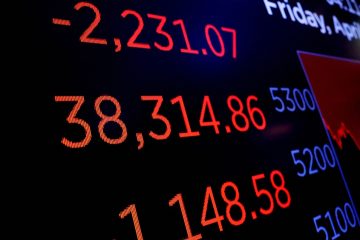
Asian shares dip as US stocks slide. Gold surges past $4,000 an ounce
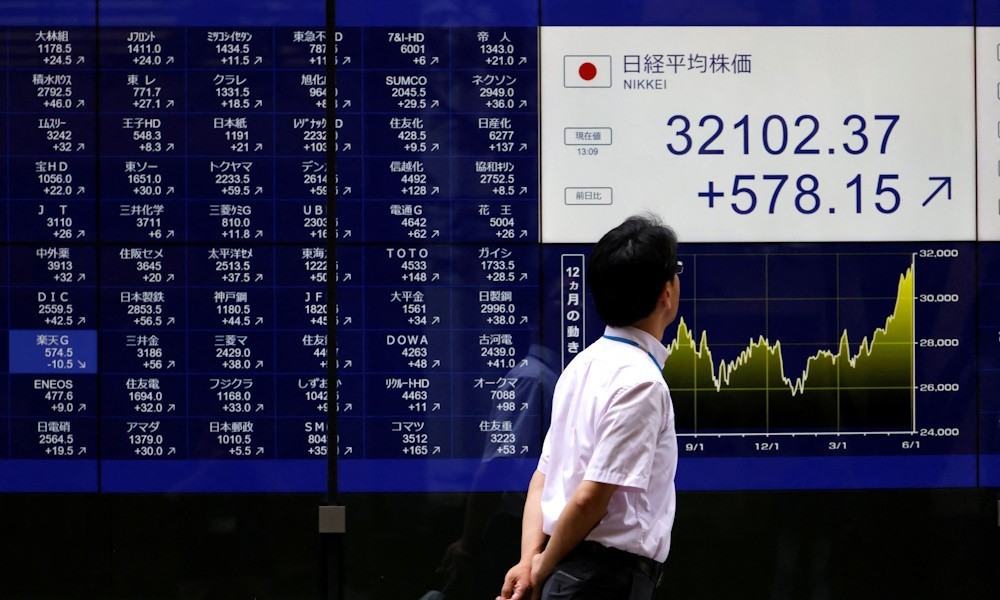
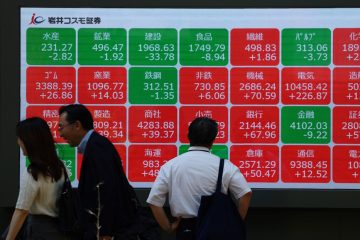
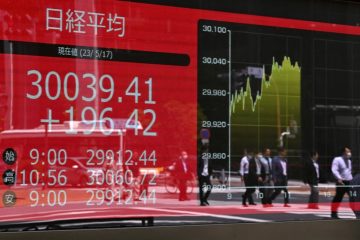
On Wednesday, shares in Asia experienced a general decline following a drop in US stocks, marking their first loss in eight days. This downturn came as the price of gold surpassed $4,000 per ounce for the first time, indicating a loss of momentum. The price of gold increased by $25.40, reaching $4,029.60 per ounce. US futures and oil prices experienced an upward movement. The Japanese yen experienced a significant decline against the dollar amid expectations that Sanae Takaichi, the conservative lawmaker poised to assume the role of prime minister, will advocate for maintaining low interest rates. The dollar increased to 152.53 yen from 151.90 yen, whereas the euro decreased to $1.1621 from $1.1659. Tokyo’s benchmark Nikkei 225 increased by 0.1 per cent, reaching 48,002.18. Takaichi, selected as the leader of the ruling Liberal Democrats last weekend, is anticipated to boost spending and promote easier credit, which may hinder the Bank of Japan’s attempts to elevate its key interest rate. It has stayed close to zero for years, despite inflation surpassing its target of approximately 2 percent, outstripping wage growth.
“While the economic case for tighter monetary policy remains intact, we suspect that the Bank of Japan will use the pressure by Japan’s incoming government as an opportunity to delay rate hikes until January,” Marcel Thieliant said in a commentary. Lawmakers in Japan’s lower house of parliament are set to elect a successor to Prime Minister Shigeru Ishiba later this month. The Liberal Democrats possess the highest number of seats, although they lack an outright majority, leading to expectations that Takaishi will become the nation’s first female prime minister. In other parts of Asia, Hong Kong’s Hang Seng fell by 0.9 percent to 26,719.68, while the S&P/ASX 200 decreased by 0.1 percent to 8,945.10. Markets in mainland China and South Korea remained closed due to holidays. In Taiwan, the Taiex experienced a decline of 1 per cent. On Tuesday, the S&P 500 experienced a decline of 0.4 per cent from its all-time high, concluding the day at 6,714.59. The Dow Jones Industrial Average declined by 0.2 percent, closing at 46,602.98, while the Nasdaq composite fell by 0.7 percent to finish at 22,788.36. Tesla emerged as the most significant burden on the market, experiencing a decline of 4.4 percent following the announcement of more affordable variants of two of its electric car models.
The stock surrendered a significant portion of its gains from the previous day, as speculation and excitement surged following Tesla’s suggestion of an impending product announcement. Oracle contributed to the decline in the market. It declined by 2.5 percent following a report indicating that it is generating thin profit margins in a crucial area of business associated with artificial intelligence technology. US shares have surged in recent months amid optimism that the economy will stay robust and that the Federal Reserve will persist in lowering interest rates. The swift ascent of artificial intelligence has fueled buying enthusiasm among investors, yet it also raises concerns that share prices may have escalated excessively. On Tuesday, Dell experienced a 3.5 per cent increase following remarks from executives regarding the company’s growth potential driven by AI at an investment conference. Advanced Micro Devices rallied 3.8 percent, building on its surge from Monday, when it announced a deal in which OpenAI will utilize its chips to power AI infrastructure. IBM experienced a 1.5 per cent increase following the announcement of a partnership aimed at integrating Anthropic’s Claude AI chatbot into select software products.
Significant stakes are tied to the belief that the surge in AI investments will yield returns by enhancing global economic productivity and fostering increased growth. Absent that heightened efficiency, inflation may rise due to the upward pressure stemming from the substantial debt being accumulated by the US and other governments globally. Historically, investors have regarded gold as a safeguard against elevated inflation. The price has surged over 50 percent this year, driven by significant government debt, political uncertainties, and expectations that the Fed will lower interest rates. On Wednesday morning, US benchmark crude oil saw an increase of 52 cents, reaching $62.25 per barrel. Brent crude, the international benchmark, increased by 50 cents to reach $65.95 per barrel.