Asian shares declined due to the technology sector
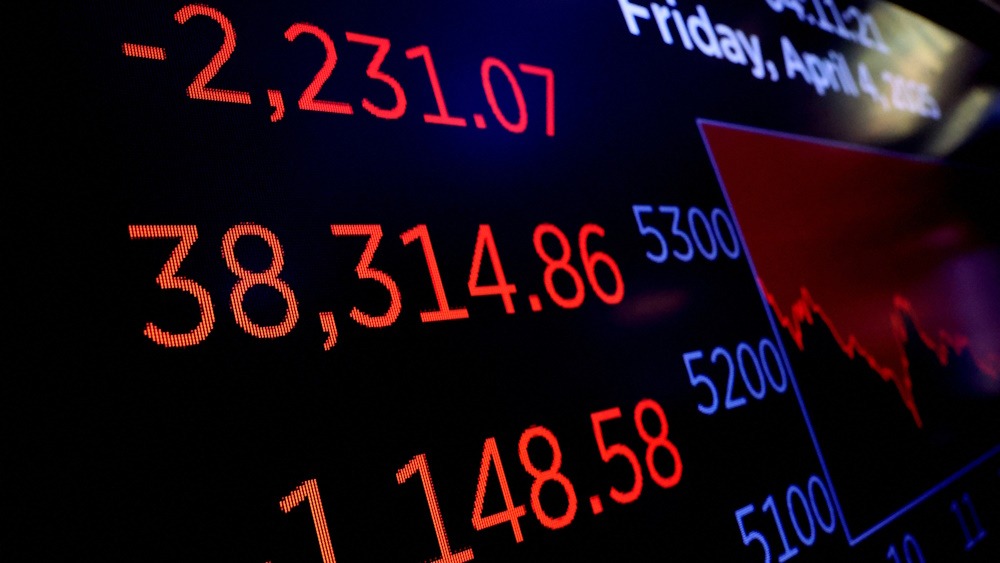
Asian shares declined on Tuesday, following the downturn in technology sector, while silver and gold stabilized after experiencing a significant pullback from record highs, which alleviated some of the exuberance surrounding the precious metals’ remarkable rally. Oil prices maintained the majority of their overnight gains following Russia’s accusation that Ukraine had attacked President Vladimir Putin’s residence. Despite Moscow’s lack of evidence for its assertions, this situation nonetheless signifies a setback for US endeavors to facilitate a peace agreement. In a move that further escalates global geopolitical tensions, China conducted 10 hours of live-firing exercises around Taiwan on Tuesday. Liquidity in many markets is limited during this holiday-shortened week, resulting in pronounced and erratic price fluctuations.
Silver experienced a significant decline overnight, plummeting 8.7 percent in its largest one-day drop since August 2020. This sharp decrease has helped to eliminate some excess from a parabolic rally that had begun to appear increasingly disconnected from reality. The metal experienced a rise of 1.7 per cent on Tuesday, reaching $73.46 per ounce, after peaking at $83.62 just a day earlier. It remains remarkably elevated at 150 per cent for the year. The sudden shift led to a decline in gold and other precious metals as well. The yellow metal experienced a decline of 4.4 percent overnight, but has since rebounded, rising 0.6 percent to reach $4,356 per ounce. Tony Sycamore noted that the gap higher in silver prices at Monday’s open was likely attributed to stop losses, price action, and panic buying, along with the Chicago Mercantile Exchange increasing margin requirements.
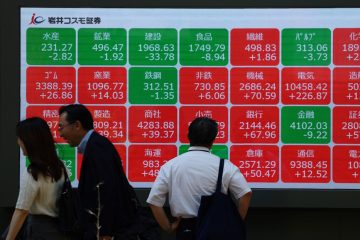
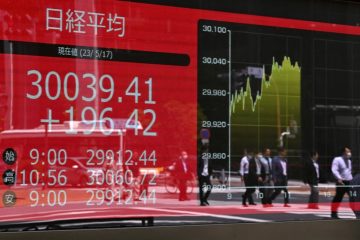
“This is a generational bubble,” said Sycamore. “And I’m not going to say that the bubble burst overnight, but… if you see a sell-off like you do, it’s going to temper at least some of the enthusiasm in those markets over the coming session.” For me, it represents a much-needed cooling-off period. On Tuesday, MSCI’s broadest index of Asia-Pacific shares outside Japan experienced a slight decline of 0.1 per cent, yet it was poised for an impressive annual gain of 26.7 per cent, marking its strongest performance since 2017. Japan’s Nikkei experienced a slight decline of 0.2 per cent, yet it has shown a remarkable increase of 26 per cent for the year. Taiwanese shares declined by 0.7 percent, while China’s blue chips experienced a drop of 0.3 percent following Beijing’s live-firing exercises in the vicinity of Taiwan.
Overnight, market closed in the red as major technology stocks pulled back from the gains achieved last week. US stocks were poised to conclude 2025 close to record highs, achieving double-digit gains in a tumultuous year marked by tariff wars, central bank policy, and simmering geopolitical tensions. US stock futures showed minimal movement in Asia. Both EURO STOXX 50 futures and FTSE futures remained unchanged. In the currency markets, the US dollar remained steady as anticipation builds for the minutes of the Federal Reserve’s December meeting, which is expected to reveal a divided central bank uncertain about the policy direction for the upcoming year. It is poised for an annual decline of nearly 10 percent, marking its steepest drop in eight years. The dollar remained steady at 156 yen, experiencing a 0.3 percent decrease overnight, which signifies its fifth decline in six sessions. The yen currently stands at a considerable distance from the 158-160 range that may prompt intervention from Japanese authorities. The Australian dollar experienced a significant decline as commodities prices fell sharply. It remained stable at $0.6698, having pulled back from its 2025 high of $0.6727 reached earlier this week. Treasury yields experienced a slight decline on Tuesday. Two-year yields decreased by 1 basis point to 3.4524 percent, marking a decline for the fourth consecutive session, while the 10-year yield also fell by 1 basis point to 4.1082 percent. Oil prices experienced a slight decline on Tuesday following an increase of more than 2 percent the previous night. Brent crude futures declined by 0.5 per cent to $61.63 a barrel, following a 2.1 per cent increase on Monday.